
"Will having a Botox treatment actually make me feel better about myself?"
It's a question that at the Cosmetic Doctors Company we are asked.
Many people dismiss aesthetic medicine as little more than vanity. Others suggest that looking younger or fresher can't possibly have any meaningful effect on psychological wellbeing.
The evidence tells a rather different story.
A growing body of scientific research has shown that, for selected patients, aesthetic treatment can improve confidence, reduce appearance-related anxiety and enhance overall quality of life.
That doesn't mean aesthetic treatment is the answer to every emotional problem. It isn't. But it does mean that, in the right circumstances, improving the way we look can genuinely influence the way we feel.
More Than Skin Deep
Our face is central to how we communicate with the world. It's how friends recognise us, how colleagues respond to us and, perhaps most importantly, how we see ourselves each morning in the mirror.
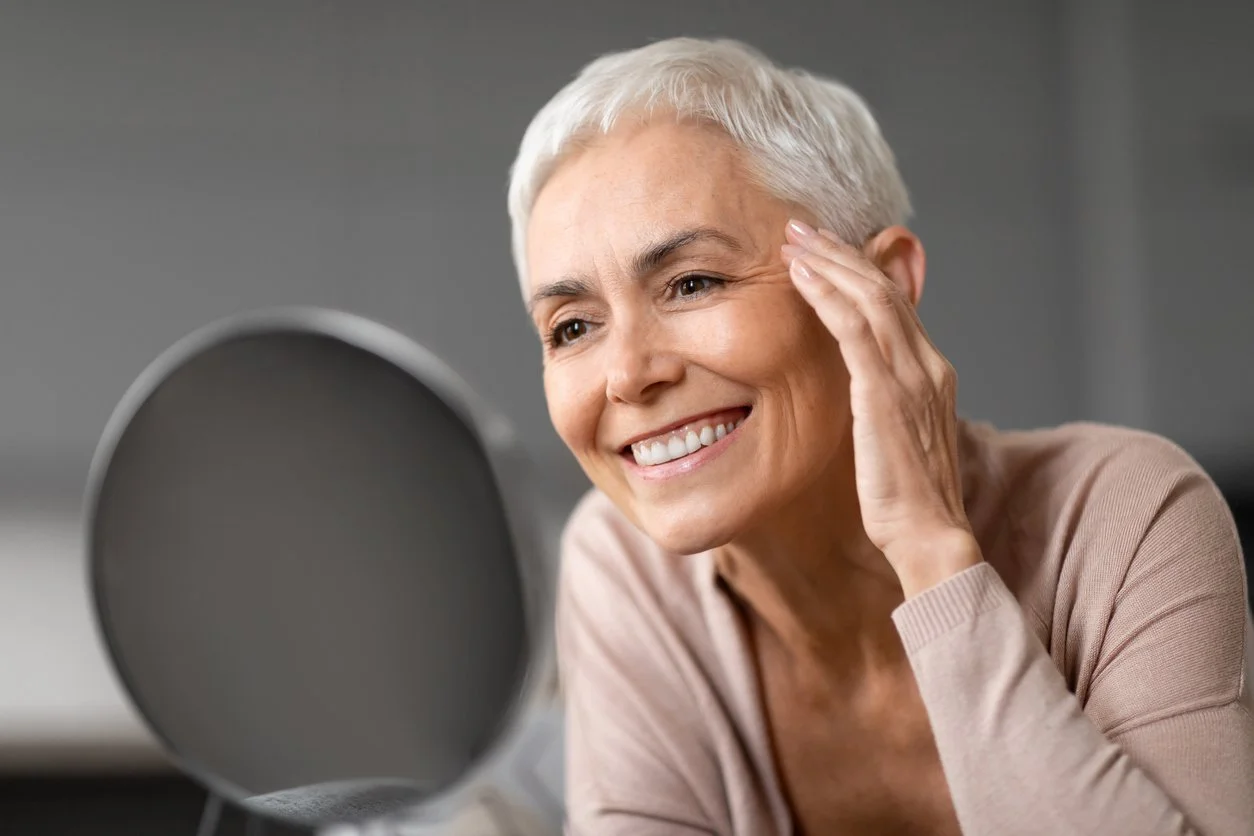
Our face is, perhaps most importantly, how we see ourselves each morning in the mirror.
Sometimes the face looking back at us no longer feels quite right.
Perhaps you feel energetic but are constantly told you look tired.
Perhaps the lines between your eyebrows leave you looking worried or cross when you're feeling perfectly relaxed.
Or perhaps you've simply noticed that your reflection no longer matches the way you feel inside.
For many people, that's not vanity.
It's a disconnect between appearance and identity.
What Does the Research Show?
Over the past two decades, researchers have used well-established psychological assessments to study how patients feel before and after aesthetic treatment.
Surprisingly, the findings have been remarkably consistent
Patients receiving appropriate treatment often report improvements in self-confidence, social wellbeing and overall quality of life, together with reductions in appearance-related distress.

Studies involving Botox injections have also demonstrated improvements in mood and psychological wellbeing compared with pretreatment assessments.
These findings reflect what many experienced practitioners observe every day in clinical practice.
When treatment is carefully planned, skilfully performed and directed at a concern that genuinely matters to the patient, people often feel better as well as looking fresher.
Choosing the Right Patient Matters
This is also where the research becomes particularly interesting.
The greatest psychological benefits are seen in people who have realistic expectations and are bothered by a specific aspect of their appearance.
In other words, patients who want to look like a refreshed version of themselves.
Aesthetic treatment is not a cure for unhappiness, anxiety or deeper psychological difficulties. Nor should it ever be offered as one.
Part of a doctor's responsibility is recognising when treatment is appropriate—and when it isn't. Sometimes the most helpful advice a practitioner can give is to recommend against treatment.
What Good Treatment Really Achieves
The best aesthetic treatments rarely transform someone's appearance.
Instead, they make subtle adjustments that allow people to feel more comfortable in their own skin.
Patients often tell me they look less tired, less worried or simply more like themselves.
Interestingly, those comments closely reflect what the scientific studies have found. The benefits aren't simply measured in smoother skin or softer lines. They're measured in greater confidence, improved social interactions and feeling happier with the face looking back from the mirror.
Looking Better... Feeling Better
Recently, a patient returned to see me after more than a year without treatment. She had deliberately decided to stop and wanted to see how she felt without it.
When she came back, she told me something I often hear. It wasn't simply that she missed the smoother appearance. She missed the way the treatment had made her feel. Looking fresher had quietly improved her confidence, and she'd only fully appreciated that once the effects had worn off.
That wasn't vanity
It wasn't dependency
It was simply recognising that a subtle improvement in her appearance had also made a subtle improvement to her everyday life.
The Bottom Line
Good aesthetic medicine isn't about changing who you are. Nor is it about chasing perfection or trying to look twenty years younger.
At its best, it's about helping your appearance feel more consistent with how you already feel inside.
When that happens, it's perhaps not surprising that looking a little better can also help you feel a little better. And that's not just opinion.
At The Cosmetic Doctors Company It's what both our clinical experience and the scientific research have been confirming for many years.

If you are concerned about the safety of Botox read Is Botox Safe?