
Blog - Sense & Science in Aesthetic Medicine
Advice and information you can trust - with no sales pitch.
At The Cosmetic Doctors Company, we believe good aesthetic medicine starts with good information.
This blog exists to provide information and answer the questions patients often ask, honestly and in plain language, whether you're curious about safety, how a treatment works, what results you can realistically expect, or simply a better understanding of your skin.
Everything we write here reflects the same principles that guide our clinic:
Care that is doctor-delivered, not just doctor-led
Advice that is honest rather than persuasive
We'd rather you left an article feeling better informed than sold to.
Scroll down to read our Blog posts.
Or search our Blog here:

Dermal Fillers - The Problem with Only Noticing the Bad Ones
When lips or cheeks are overfilled, the result announces itself and lodges in the memory. When the same areas are treated with restraint and clinical judgement, the outcome is invisible to everyone except the person in the mirror. This paradox completely distorts how the public perceives aesthetic medicine.

Should I consider a Hyaluronic Skin Booster?
Skin boosters are among the most heavily promoted injectable treatments in aesthetics, and among the least rigorously evidenced. A look at what the research actually shows about results, how long they last, who they suit, and the questions worth asking before you book.

The Regulation of UK Aesthetic Medicine: Why Are Patients Still Waiting?
More than thirteen years after the risks of poorly regulated cosmetic procedures were formally recognised, patients are still waiting for comprehensive regulation. We examine what has happened, what has not, and why it matters for patient safety.

How Do I Choose a Sunscreen?
SPF30 or SPF50? Mineral or chemical? Does price matter? A practical guide to choosing a sunscreen that protects your skin, suits your skin type and is easy to use every day.

Sculptra vs Profhilo: Which Treatment Is Right for You?
Understand the difference between Sculptra and Profhilo. Learn which treatment is best for natural, long-term facial rejuvenation with expert guidance.

How Do I Know If a Cosmetic Treatment Actually Works?
Confident language and striking photographs can sit on top of a treatment that has barely been studied. Here are the questions that separate genuine evidence from good marketing.

What Does "Hyper-dilute" Radiesse Actually Mean?
Hyper-dilute Radiesse can mean very different things. We explain dilution ratios, collagen stimulation and why the right dilution depends on what is being treated.

Is Regenerative Medicine Really the Future of Aesthetic Treatment?
Regenerative medicine is one of the most exciting developments in aesthetic treatment but the term is increasingly used for treatments with very different levels of scientific evidence. We look at biostimulation, how treatments such as Sculptra, Radiesse, Profhilo and polynucleotides work, and where the science ends and the hype begins.
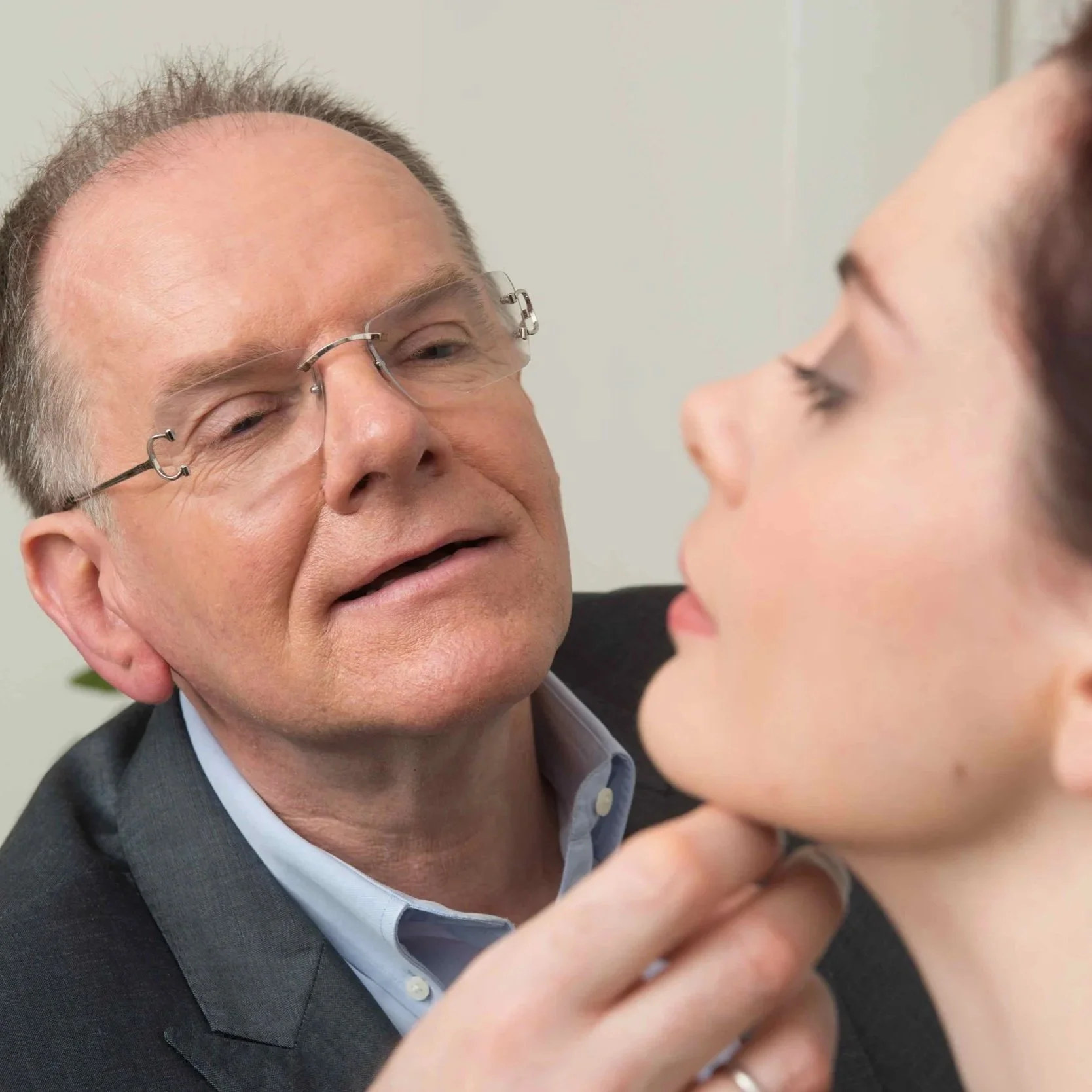
The Art of Doing Less
Good aesthetic medicine isn't about treating everything that can be treated. Clinical judgement means knowing what will genuinely benefit a patient, what should be left alone and, importantly, when to stop.

What Questions Should You Ask Before Your Aesthetic Treatment
What questions you should ask before aesthetic treatment? This guide outlines the key points to help you make safe, informed decisions and achieve natural-looking results.

What Does Good Aesthetic Treatment Aftercare Look Like?
Good aesthetic treatment doesn't end when you leave the treatment room. Good aftercare means knowing what to expect, what is normal, when to seek advice and who to contact if you have concerns. Aftercare is part of good medical care not an optional extra.

What Should I Do After My Botox?
What should you actually do after Botox? Advice about lying down, exercise, hot showers, facials and even taking zinc is everywhere but much of it is based more on tradition than evidence. We look at the science behind Botox aftercare and explain what really matters.

What Is the Difference Between Sculptra and Dermal Fillers?
What is the difference between Sculptra and dermal fillers? Learn how they work, why their results differ and which approach may be right for you.

Why Does Every New Treatment Start as a Miracle?
Every few years, a new treatment promises to transform aesthetic medicine. Some genuinely change clinical practice. Others quietly find a more limited role. Why does this happen so often? Dr Peter Forrester explores the surprisingly familiar life cycle of medical innovation.

Why Don't Patients Ask What's Being Injected Into Their Face?
After 25 years in aesthetic medicine, one question I am almost never asked is: what product are you going to use? Here is why that surprises me and why, with dermal fillers in particular, it should matter to you

Is Juläine Really Better Than Sculptra?
Juläine is attracting considerable attention as the latest PLLA collagen stimulator, with claims of smoother microspheres, easier preparation and improved performance. But do these engineering advances translate into better results for patients? In this article, Dr Peter Forrester compares Juläine with the long-established Sculptra.

What Is Botox Made Of? A Full Ingredient Breakdown
What is Botox made of. A straightforward guide for patients.

What Are the Side Effects of Botox Injections?
Here we cover Botox side-effects from minor redness to the rare but important complications, with 25 years of clinical experience behind it.
Why Do Anti-Wrinkle Injections Remain So Popular?
Anti-wrinkle injections have been one of the most widely performed aesthetic treatments in the world for over two decades. Here we explore why they have endured.

Is Botox Safe?
Botox has decades of clinical use and an extensive safety record. Here we answer the question directly, address the toxin concern, and explain why who performs the treatment matters most.