
Botox - Why is it One of the Safest Treatments in Medicine ?
Botox - Why is it One of the Safest Treatments in Medicine . . .
. . . in the right hands.
The safety record of licensed botulinum toxin in aesthetic use is, by any honest measure, extraordinary. Here is what it tells us — but what the small print says.
This post is an abridged version of the full post in Perspectives
The most popular aesthetic treatment in the world
Botulinum toxin (Botox) is the most commonly performed non-surgical aesthetic procedure on the planet. Tens of millions of treatments are delivered every year, across every continent, in every demographic, by practitioners ranging from consultant plastic surgeons to high street beauty salons. It has been used in aesthetic medicine for over three decades, in numbers that make it one of the most widely administered medical treatments in modern history.
That context matters because it is the backdrop against which the safety record should be read.
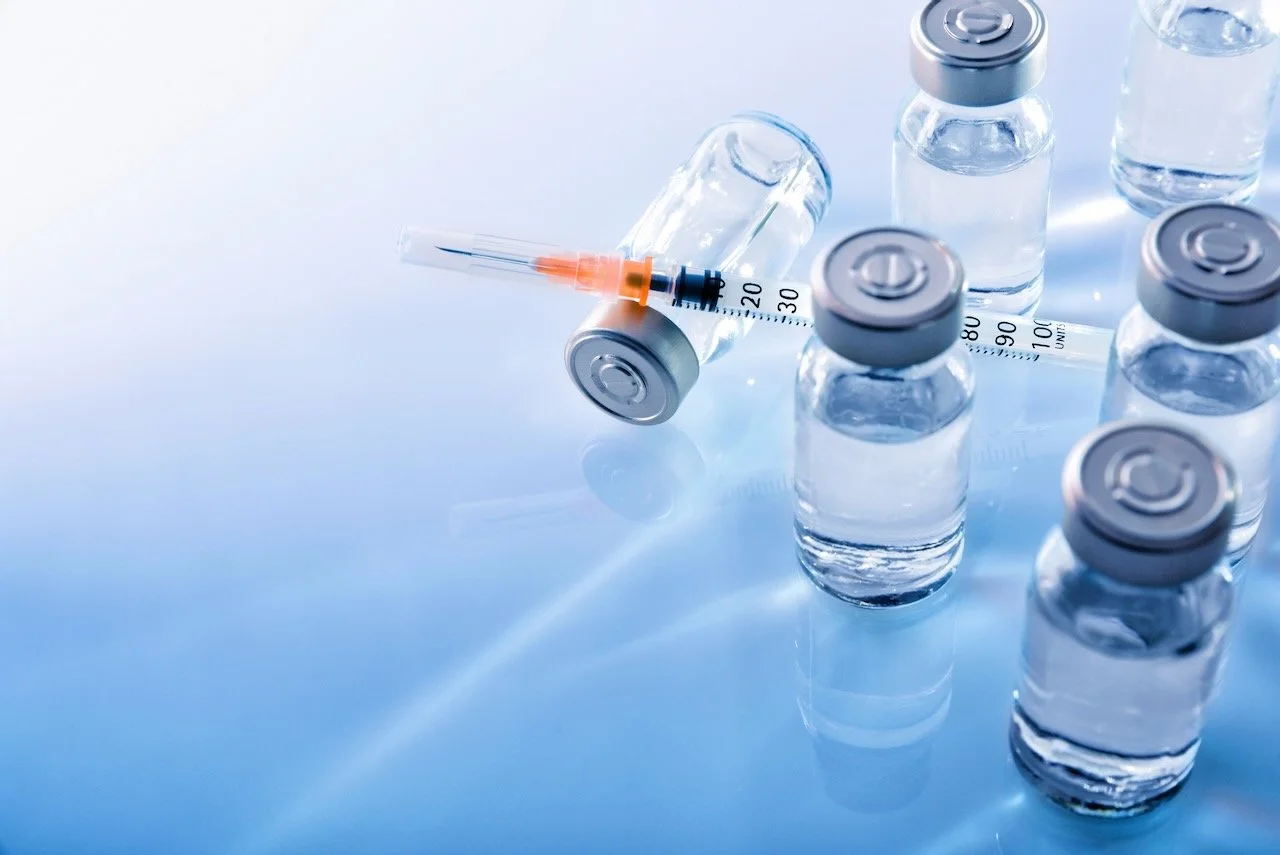
Botox has a safety record, over decades and many millions of treatments, that most medical treatments could never match.
A safety record that is genuinely remarkable
Across more than thirty years of licensed cosmetic use, encompassing hundreds of millions of treatments worldwide, botulinum toxin has never caused a confirmed death when used as a licensed, approved product for cosmetic indications. Not one.
The significant adverse events that have been reported in cosmetic use are few, and the overwhelming majority were temporary, predictable, and already identified during the clinical trials that preceded approval.
Temporary drooping of the eyelid (lid ptosis) the most commonly reported significant complication, always resolves completely as the product wears off. The complications listed on the product label are there because clinical trials found them, disclosed them, and licensed practitioners are trained to avoid or manage them. Their presence on the label is a mark of regulatory rigour, not a warning of routine danger.
Botox has a proven safety profile, monitored over many years, that most medical treatments, including many we regard as entirely routine, could not match.
The small print that matters
That safety record comes with a condition that is non-negotiable:
it only applies to licensed products
administered by trained medical practitioners
at appropriate doses
with proper clinical assessment and consent.
Remove any of those conditions and the picture changes fundamentally.
In recent years, cases of severe illness, patients requiring hospitalisation, in some instances intensive care, have been linked without exception to counterfeit products purchased online, administration by unqualified injectors, or self-injection.
In every case, the problem was not botulinum toxin. It was the absence of the clinical and regulatory framework that makes it safe.
Licensed medical providers have safely administered FDA-approved botulinum toxin for decades. However, unsafe use, including counterfeit products, administration by unlicensed providers, or self-injection, has resulted in severe illnesses, with some patients requiring invasive mechanical ventilation in an Intensive Care setting.
The American FDA subsequently issued warning letters to 18 companies illegally selling counterfeit or misbranded botulinum toxin products online. By 2025, the CDC was reporting additional cases of severe illness following self-injection of products purchased from online retailers, a trend that shows no sign of abating as long as the products remain accessible through unregulated channels.
Botulinum toxin is, in its raw form, one of the most potent biological substances known to science. The licensed aesthetic product is the same molecule — rendered safe by pharmaceutical precision, standardised dosing, and delivery by practitioners who understand both its mechanism and its risks. Take away that framework and you are not receiving a precision medical treatment. You are receiving an uncharacterised biological toxin from someone who may not know what they are doing.
What this means in practice
The question worth asking before any botulinum toxin treatment is not whether the product is safe. The licensed product, properly used, demonstrably is.
The question is whether the person delivering it, and the product they are using, meet the standard that the safety record was built on.
A medically qualified practitioner, using a licensed product, with the training to deliver it correctly and the clinical knowledge to manage anything that follows — that is the standard the extraordinary safety record describes. It is also the standard every patient deserves.