Clinical Perspectives
A different kind of reading - reflections from our Surrey Clinic
Clinical Perspectives is a little different from the rest of our site. You will not find treatment guides or procedure explainers here. What you will find is a collection of essays and reflections on some of the broader questions that sit behind aesthetic medicine.
These pieces are wholly text-based and deliberately unhurried. They are written without the support of imagery because the intention is that the ideas carry the weight, not the presentation. If you are someone who is curious about the quieter, more considered side of aesthetic medicine, we hope you find something here worth returning to.
The views expressed here are Dr Forrester’s personal opinions — formed over 45 years of medical practice and refined through thousands of patient conversations. They do not represent an industry position or a commercial one.

Zein Obagi spent two years as what he called an "aesthetic detective" before developing the Nu-Derm System in 1985 — a physician-dispensed skin transformation protocol that brought tretinoin into mainstream cosmeceutical practice and established a template the entire subsequent industry has followed. This is his story.
The patient sits down, reaches for their phone, and turns the screen towards you. On it is a photograph — a celebrity, an influencer, a stranger encountered on Instagram — and the request is clear: I would like to look like this. It is one of the most common moments in aesthetic practice. It is also one of the most clinically significant — and what happens next matters more than most practitioners acknowledge.
The idea that gut health influences skin health is not new. What is new is the mechanistic understanding of how these connections work — and the growing evidence that the gut microbiome influences not just specific skin diseases but skin health, skin ageing, and skin barrier function in a more general and clinically significant way.
The clinical conversation about photodamage has historically been dominated by prevention. What has received considerably less honest clinical attention is what can be done for damage already accumulated. The answer is more encouraging than most patients are told — and more nuanced than the aesthetic industry's marketing tends to acknowledge.
If a patient asked us to identify the single intervention with the greatest evidence base for preventing skin ageing, the answer would not be a retinoid or a biostimulator. It would be daily, broad-spectrum, high-factor sun protection — applied consistently, without exception, regardless of weather or season. Everything else in a skincare regimen is built on that foundation.
Aesthetic medicine has historically been uncomfortable with its psychological dimension — presenting itself in purely physical terms as though the motivation behind treatment were irrelevant to the clinical picture. It is not. The evidence that appropriate treatment improves psychological wellbeing in suitable patients is real. So is the evidence that it cannot resolve deeper psychological distress. Both deserve to be examined honestly.
The degree of dehydration required to produce visible skin changes is pathological. It represents a fluid deficit that would, in any otherwise healthy person, produce intense thirst long before the skin showed any observable change. The hand turgor test is a tool for assessing clinically unwell patients — not a guide to the skincare habits of the well.
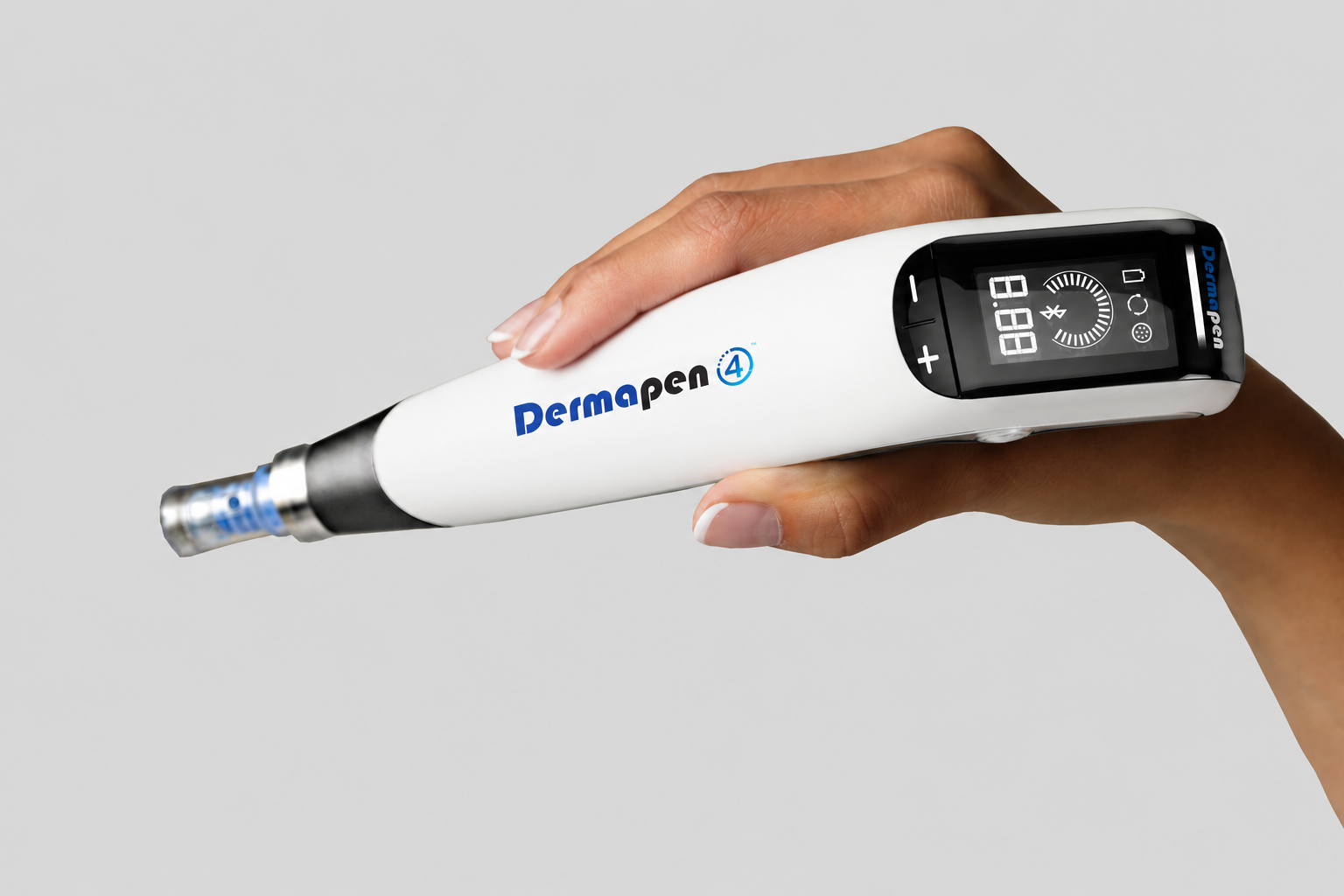
Microneedling is frequently presented as a relatively recent innovation. In fact, the concept of using controlled skin injury to stimulate collagen production predates most of the treatments that now share its clinical space. The modern dermaroller was developed in the mid-1990s by Dr. Desmond Fernandes, a South African plastic surgeon, whose clinical observations have since been characterised in considerable scientific detail. Here is an honest account of what the evidence actually says.
Before examining any topical ingredient on its own terms, there is a prior question the industry consistently fails to ask loudly enough. Does it penetrate the skin barrier in a biologically active form, in sufficient concentration, to reach the tissue where it is supposed to act? That question is the lens through which everything that follows should be read.
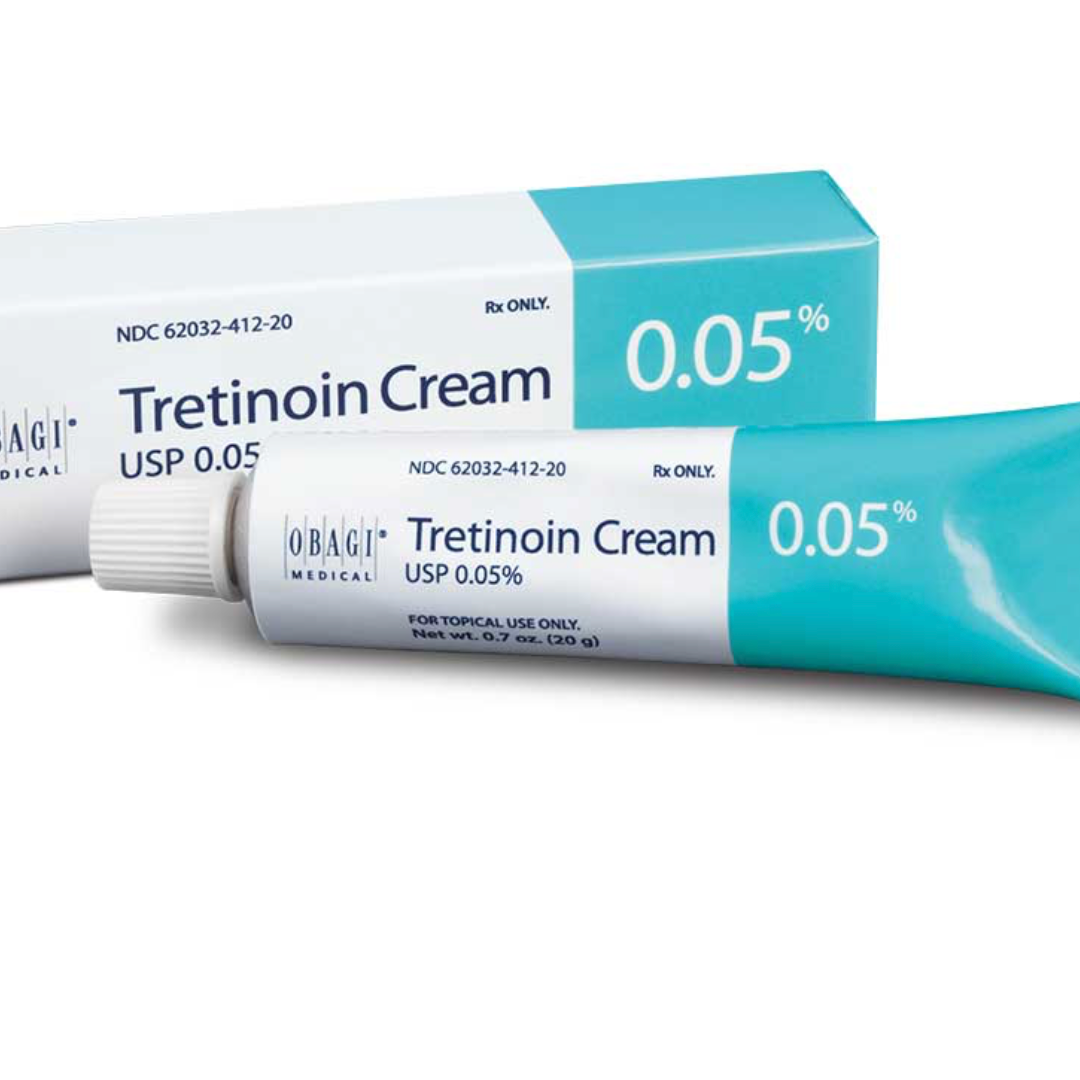
No topical skincare ingredient has been studied as thoroughly, over as long a period, or with as consistently positive results as retinoic acid and its derivatives. When a patient asks whether a new topical ingredient might be as effective as their retinoid, the honest answer almost always begins with an acknowledgement that nothing has had the time, the research investment, or the clinical validation to make that comparison confidently.
The phrase "skin barrier" has entered mainstream skincare vocabulary to the point where it has begun to lose its meaning. This piece is about the barrier in precise clinical terms: what structures comprise it, what they do, what causes them to fail, and what the evidence says about restoring them. Understanding it at this level is not merely academic. It informs every clinical decision about topical treatment.
The patient who has lost significant weight has typically worked hard to do so. The body looks better. And then they look at their face. What they see is not always what they expected — a face that looks older, more gaunt, more depleted than it did before. This is a predictable and increasingly well-documented consequence of significant and rapid weight loss. It deserves to be understood clinically with the same seriousness as the weight loss itself.
A subset of consultations feels different from the moment the patient sits down. She is a barrister, a senior executive, a television presenter. Her appearance is not merely something she thinks about in the mirror. It is something presented to the world professionally, assessed in contexts that carry real consequences, and evaluated against a standard that would not apply to a male colleague in an equivalent position.
The phrase "non-surgical facelift" promises the outcome of a significant surgical procedure without the recovery, the risk, or the cost that surgery entails. It is, in almost every clinical application, a considerable overstatement. This is not an argument against non-surgical aesthetic treatment. It is an argument for honesty about what those treatments can and cannot do.
When a woman presents for an aesthetic consultation shortly after a divorce, there is an assumption that floats, largely unexamined, in the background. She wants to look her best for a new audience. In our experience, this assumption is almost always wrong — and what these patients are actually seeking is considerably more interesting and considerably more human.
Most patients say they want to look younger. But spend a little time with that answer and it begins to unravel. Younger than what? And is looking younger really the goal — or is it something else entirely, something that looking younger is simply the shorthand for?
Most women in their late forties describe the same experience. The changes they could previously attribute to the slow accumulation of years now feel different — more pronounced, more rapid, and less easily explained by lifestyle factors alone. They are right to notice the difference. Something has changed. And it has a name.
Sculptra and Radiesse are frequently discussed as though they were essentially interchangeable; different brands offering the same biological effect through slightly different formulations. That framing is convenient but misleading. The mechanisms by which these two treatments drive neocollagenesis are meaningfully different at a cellular level — and those differences have genuine clinical implications.
Eighty percent of women saw an improvement in fine lines in two weeks. Consider what this does not tell you. It does not tell you how many women were in the study, whether there was a control group, or how it is possible to demonstrate meaningful collagen improvement in fourteen days when we know that true neocollagenesis unfolds over months. The statistic tells you, with considerable confidence, that the company selling the product wanted you to feel impressed. Beyond that, it tells you very little.
There is a particular quality to the consultations we have with patients in their late forties. They have been noticing something for a while — a gradual divergence between how they feel and how they look — and they have reached the point where they want to understand it better before deciding what to do about it. They are asking the right question. This piece is an attempt to provide a serious answer.
I started using polynucleotides with my scepticism intact. Almost hoping, if I am honest, to confirm what I suspected; that this was another treatment whose promise would not survive contact with real patients. The early results gave me pause. They were better than I expected. But I am not yet ready to set my scepticism down entirely — and I think the reasons why are worth examining carefully.
The aesthetic industry owes a genuine debt to celebrity culture for the normalisation of treatment and the removal of stigma. The acknowledgement should come with a significant caveat. The relationship has never been straightforward — and its influence on patient expectations has been considerable and largely negative.
Subtlety is not a trend. It is a standard. The fact that it requires announcing as though it were new tells us more about how far the industry lost its way than about where it is now heading.
The most fundamental criticism of oral collagen supplementation has always been the absorption question. The traditional sceptical argument has been that what reaches the bloodstream is simply amino acid building material, no different from eating a piece of chicken. The science has moved on — but the picture is considerably more complicated than the supplement industry acknowledges.
Beauty standards feel instinctive — but they are produced, distributed, and reinforced by identifiable commercial forces. Here is why understanding that matters in aesthetic medicine, and what it means for the consultation room.
The gap between male interest and male treatment is not a reflection of need. It is a reflection of failure; a failure of the industry to create an environment in which male patients feel understood, respected, and properly served.
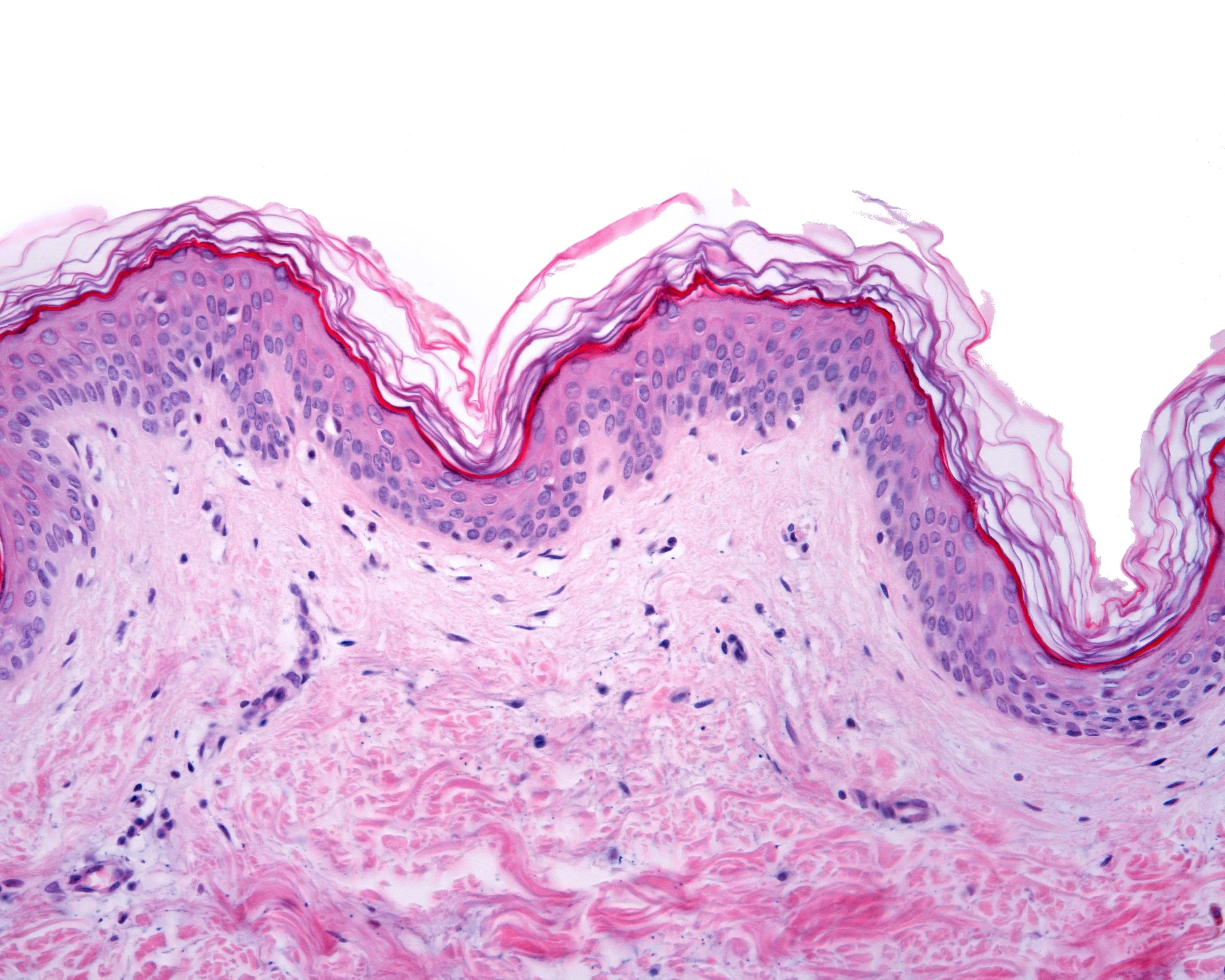
Skin is the body's largest organ, and its complexity is frequently underestimated. What appears from the outside as a simple surface is, at a microscopic level, an extraordinarily organised biological system. Understanding that architecture is the starting point for understanding why it ages the way it does — and why those changes matter clinically.
Collagen is the most abundant structural protein in the human body, accounting for approximately 75% of the dry weight of skin. From the third decade of life onwards, its production declines at approximately 1% per year. Understanding how biostimulatory treatments reverse that process, and the precise biological mechanisms by which they do so, is not merely academic. It informs better clinical decisions, more honest patient conversations, and a more rigorous approach to treatment planning.
There is no more powerful marketing tool in aesthetic medicine than the before-and-after photograph. Two images, side by side, apparently telling a simple and compelling story. It is persuasive precisely because it appears to be objective. And yet the before-and-after photograph, as it is routinely used in our industry, is one of the least objective things imaginable.
There is a word that appears constantly in aesthetic medicine — in clinic brochures, on social media, in the questions patients ask when they first sit down with us. That word is "fight." Fight the signs of ageing. Fight wrinkles. Fight time. We understand the impulse. But we have come to believe that fighting is not quite the right frame for what good aesthetic medicine does.