
How Your Skin Ages
Skin Ageing — Why It Happens and What You Can Do About It
Skin ageing has two distinct causes. Understanding the difference between them is the most useful starting point for anyone thinking seriously about their skin.
Two very different processes
When we talk about skin ageing, we are actually talking about two separate phenomena that happen simultaneously but through entirely different mechanisms.
The first is intrinsic ageing — the inevitable biological process driven by genetics and time.
The second is extrinsic ageing — the accelerated deterioration caused by external factors, principally ultraviolet radiation.
Understanding the distinction between them changes how you think about prevention, treatment, and what is and is not within your control.
Intrinsic ageing — what the passage of time does
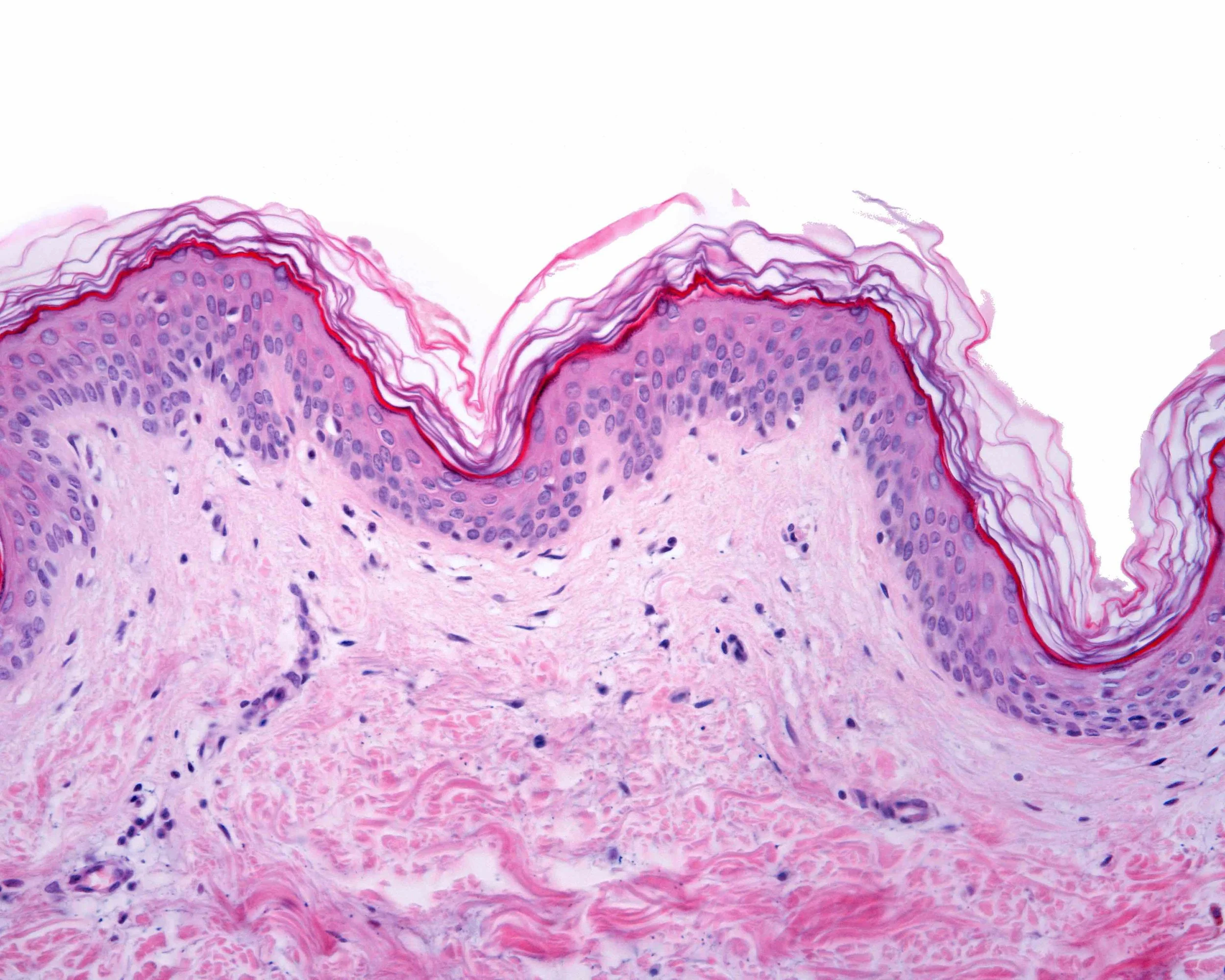
Intrinsic ageing is the baseline rate at which skin ages in the complete absence of environmental factors. It is largely genetically determined and, in that sense, the least controllable dimension of skin ageing.
From the mid-twenties onwards, collagen production declines at approximately 1% per year.
Elastin the protein that gives skin its capacity for stretch and recoil — accumulates damage over time and is not efficiently replaced.
The fat compartments beneath the skin gradually lose volume.
Sebaceous gland activity decreases, reducing the skin's natural lubrication.
Cell turnover in the epidermis slows, and the stratum corneum becomes less efficient at retaining moisture.
The clinical result, accumulating gradually over decades, is skin that is thinner, drier, less elastic, and less able to recover from deformation. Lines that once appeared only in expression begin to remain at rest.
The face loses the structural support that gives it its youthful contour. These changes are real, measurable, and universal, though their rate and severity vary considerably between individuals depending on genetics, hormonal status, and general health.
For women, perimenopause significantly accelerates this process. The decline in oestrogen that accompanies the menopausal transition has direct consequences for collagen synthesis, skin hydration, and the maintenance of the facial fat compartments. This produces changes that can feel qualitatively different from the gradual accumulation of intrinsic ageing.
Extrinsic ageing — what the sun and your environment does
Extrinsic ageing is where the picture becomes considerably more important clinically because unlike intrinsic ageing, it is substantially preventable.
Ultraviolet radiation is the dominant driver of extrinsic skin ageing, responsible for an estimated 80% of visible facial ageing. UVB damages DNA in skin cells, accumulating the mutations that drive both premature ageing and skin cancer.
UVA penetrates more deeply, reaching the dermis where it generates reactive oxygen species that activate the enzymes responsible for collagen degradation, the same enzymes that intrinsic ageing activates, but at a rate that is dramatically accelerated by chronic sun exposure.
The clinical result is photoageing, a pattern of skin deterioration that is distinct from intrinsic ageing in its character and distribution.
Deep wrinkles
Irregular pigmentation
Rough texture
Loss of elasticity
The accumulation of abnormal elastic material in the dermis known as solar elastosis
These are all the hallmarks of chronically sun-damaged skin. They do not occur, or occur far more slowly, in sun-protected skin of equivalent chronological age.
Other extrinsic factors compound the UV damage:
Cigarette smoke generates oxidative stress that degrades the skin's structural proteins.
The systemic effects of smoking.
Air pollution.
A consistently poor diet
Inadequate sleep
Chronic psychological stress
These all contribute to the systemic inflammatory environment that accelerates skin deterioration.
What you can control
The division of skin ageing into intrinsic and extrinsic is empowering rather than fatalistic. It means that a significant proportion of visible skin ageing, the part driven by external factors, is addressable and in many cases preventable.
Daily broad-spectrum SPF 50 is the single most evidence-based intervention available for preventing extrinsic ageing. Applied consistently from as early in life as possible, it prevents more skin deterioration than any other single measure.
A retinoid addresses both the surface changes of photoageing and, over time, the collagen deficit that both intrinsic and extrinsic ageing drive.
A vitamin C serum adds antioxidant protection that complements SPF in neutralising the oxidative damage UV causes. Not smoking, protecting the skin from pollution where possible, eating a diet rich in fibre and antioxidants, and managing chronic stress all reduce the extrinsic contribution to skin ageing in ways that are underappreciated relative to their genuine impact.
Where treatment fits in
For changes that have already accumulated, whether through intrinsic ageing, sun-damage, or both, the treatments available today are considerably more effective than they were a decade ago.
Biostimulatory treatments stimulate the body's own collagen production. Dermal fillers restore volume where structural loss has occurred. Medical-grade skincare, used consistently, produces genuine structural improvement over time.
Each of the skin posts on this blog addresses a specific dimension of this picture in more detail from the science of the skin barrier to the evidence behind retinoids to the clinical reality of sun damage and its reversal. This piece is the map. The others are the territory.
To find out more about skin health or to arrange a consultation, please visit our contact page or get in touch via the email and telephone links below.