
Is Botox Safe?
Yes — Botox is remarkably safe, in the right hands
Tens of millions of Botox treatments are delivered every year, across every continent and in every demographic. It has been used in aesthetic medicine for over three decades, in numbers that make it one of the most widely administered medical treatments in modern history.
That scale matters, because it is the backdrop against which the safety record should be read. For the vast majority of patients, when administered by a qualified and experienced medical practitioner, botulinum toxin is one of the most reliably safe treatments available in medicine. That is not a marketing claim. It is a conclusion supported by decades of scientific research and clinical use.
But isn't botulinum toxin a poison?
It is a fair question, and it deserves a full answer, rather than just a reassuring sentence.
Botulinum toxin is, in its raw form, one of the most potent biological substances known to science. That fact is not in dispute, and no ethical practitioner should claim otherwise. However, potency and danger are not the same thing.
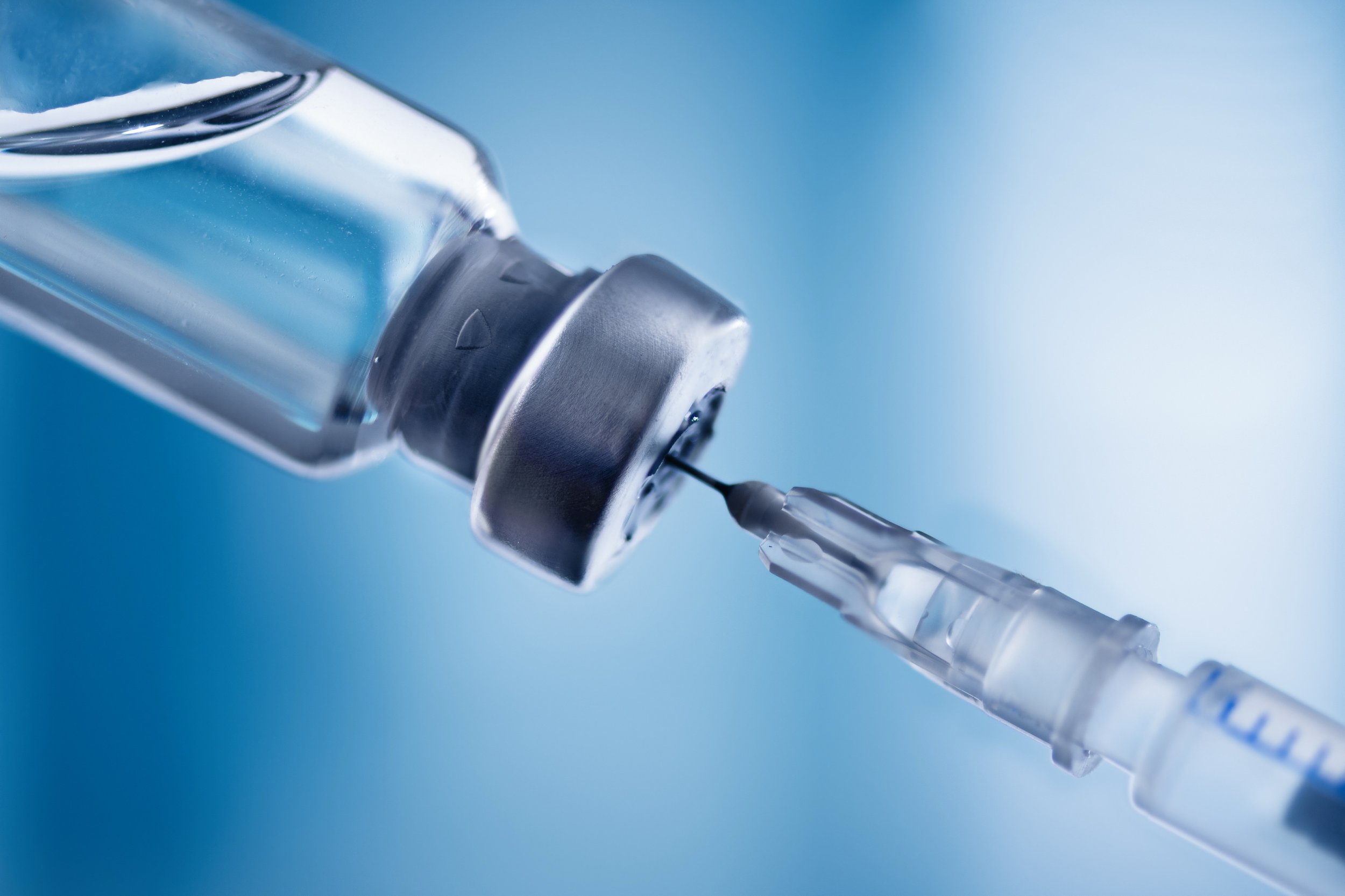
Patients wonder should they worry about the “Tox” in Botox?
Almost every drug in medicine is harmful at the wrong dose; this is the oldest principle in pharmacology, and it applies as much to paracetamol as it does to botulinum toxin. Many prescription medications, in common medical use are ‘toxic’ if given in excessive doses. What determines risk is not the intrinsic power of a molecule but the quantity given, the purity of the preparation, and the precision with which it is delivered.
The botulinum toxin used in aesthetic practice is a highly purified, precisely dosed pharmaceutical preparation, administered in quantities far below any threshold of dangerous effect. The dose used to soften a frown line is a minute fraction of what would be required to cause bodily harm.
It is also worth knowing that cosmetic use is not where this treatment began. Botulinum toxin has been used therapeutically since the 1980s for a variety of medical conditions, often at doses considerably higher than anything used aesthetically, and frequently in patients who are already unwell.
The aesthetic application arrived later, and at lower doses, on the back of a safety record that had already been established in clinical medicine.The word "toxin" describes how the molecule works. It does not describe the risk of the licensed pharmaceutical product when it is used properly.
So, what is Botox’s safety record?
Across more than thirty years of licensed cosmetic use, and many millions of doses, no death has been confirmed as caused by licensed Cosmetic Botox administered by a qualified practitioner. The adverse events reported in cosmetic use are few, and the overwhelming majority have been temporary and predictable. This is not a theoretical reassurance. It is an unusually clear clinical safety record, built on a very large number of treatments over a long period.
For some science about Botox safety see Adverse events reported to the FDA
Does that mean there are no risks at all?
No treatment is entirely without risk, and requires saying so. Side effects do occur. The common ones are mild and temporary — localised swelling and bruising at an injection site. Most patients experience neither. Serious adverse events are exceedingly rare.
The complication most reported is temporary drooping of an eyelid, known as ptosis, which occurs when a small amount of product migrates slightly beyond the intended site. It is uncommon, it is largely preventable with careful anatomical placement, and it always resolves completely as the product wears off.
That last point is worth stating plainly, because it is the reassurance that matters most: absolutely no harmful effect of botulinum toxin persists once the product has worn off. Unlike a filler complication or a surgical outcome, an unsatisfactory result is temporary by its nature. Left alone, the effect fades over three to four months and you are returned to exactly where you started. Without exception.
Read here for information about Botox side-effects.
The variable that matters most
The single most important safety factor is not the treatment. It is who performs it. Botulinum toxin should be prescribed and administered by a qualified medical professional with specific training in facial anatomy and injectable techniques. In the wrong hands, even a safe treatment can produce a poor or harmful outcome.
Something worth understanding before you book anything:
The regulatory position in the UK is more permissive than most patients realise.
The exemplary safety record described above holds only where all of the following apply:
use of a licensed product, obtained through a regulated pharmaceutical supply chain.
administration by a trained and experienced medical practitioner.
use of an appropriate, individually assessed dose.
following a proper clinical assessment, with informed consent.
Remove any one of these and the picture changes fundamentally.
Who performs your treatment matters.
Read our guide to choosing a safe aesthetic practitioner.
In the United States cases of severe illness have made the news, with patients requiring hospitalisation and in some instances intensive care. They were linked to counterfeit, fake or unlicensed products, administered by unqualified injectors, outside clinical settings.
They are not cases of a licensed medicine behaving unexpectedly. They are cases of the framework being absent or ignored.
Take that framework away and you are not receiving a precision medical treatment. You are receiving an uncharacterised biological toxin from someone who may not fully understand it. At The Cosmetic Doctors Company, every consultation and every treatment is carried out by a medically qualified doctor, using licensed products, following a full assessment.
What does this mean for me?
The question worth asking before you have any Botox treatment is not whether the product is safe. The licensed product, properly used, unquestionably is. The question is whether the person delivering it, and the product they are using, meet the standard that the safety record was built on.
If you are not sure how to judge that, read questions worth asking before you agree to treatment with any practitioner.
You may also wish to read our fuller explanation of why anti-wrinkle injections are considered one of the safest treatments in medicine.

If you are considering a Botox treatment, then a consultation is where all good treatments begin. There will no obligation to proceed. The aim is to provide information and clarity, not pressure to have a treatment. To arrange a consultation please use the links below to telephone or email or to fill out our contact form click here.
References
Coté TR et al. Botulinum toxin type A injections: adverse events reported to the US Food and Drug Administration in therapeutic and cosmetic cases. Journal of the American Academy of Dermatology. 2005;53(3):407–415. https://pubmed.ncbi.nlm.nih.gov/16112345/
CDC Investigation: Harmful Reactions to Botulinum Toxin Injections. Centers for Disease Control and Prevention. 2024. https://cdc.gov/botulism/outbreaks/harmful-reactions-botox-injections
FDA Alert: Counterfeit Version of Botox Found in Multiple States. US Food and Drug Administration. 2024. https://www.fda.gov/drugs/drug-safety-and-availability/counterfeit-version-botox-found-multiple-states
CDC MMWR: Severe Illnesses After Self-Injection of Botulinum Toxin Purchased Online. 2025. https://www.cdc.gov/mmwr/volumes/74/wr/mm7438a1.htm
Nayyar P et al. Botulinum Toxin Deaths: What is the Fact? Journal of Maxillofacial and Oral Surgery. 2008. https://pmc.ncbi.nlm.nih.gov/articles/PMC2840902/