
Sculptra vs Profhilo: Which Treatment Is Right for You?
With increasing interest in treatments that improve skin quality rather than simply adding volume, both Sculptra and Profhilo have become widely discussed options.
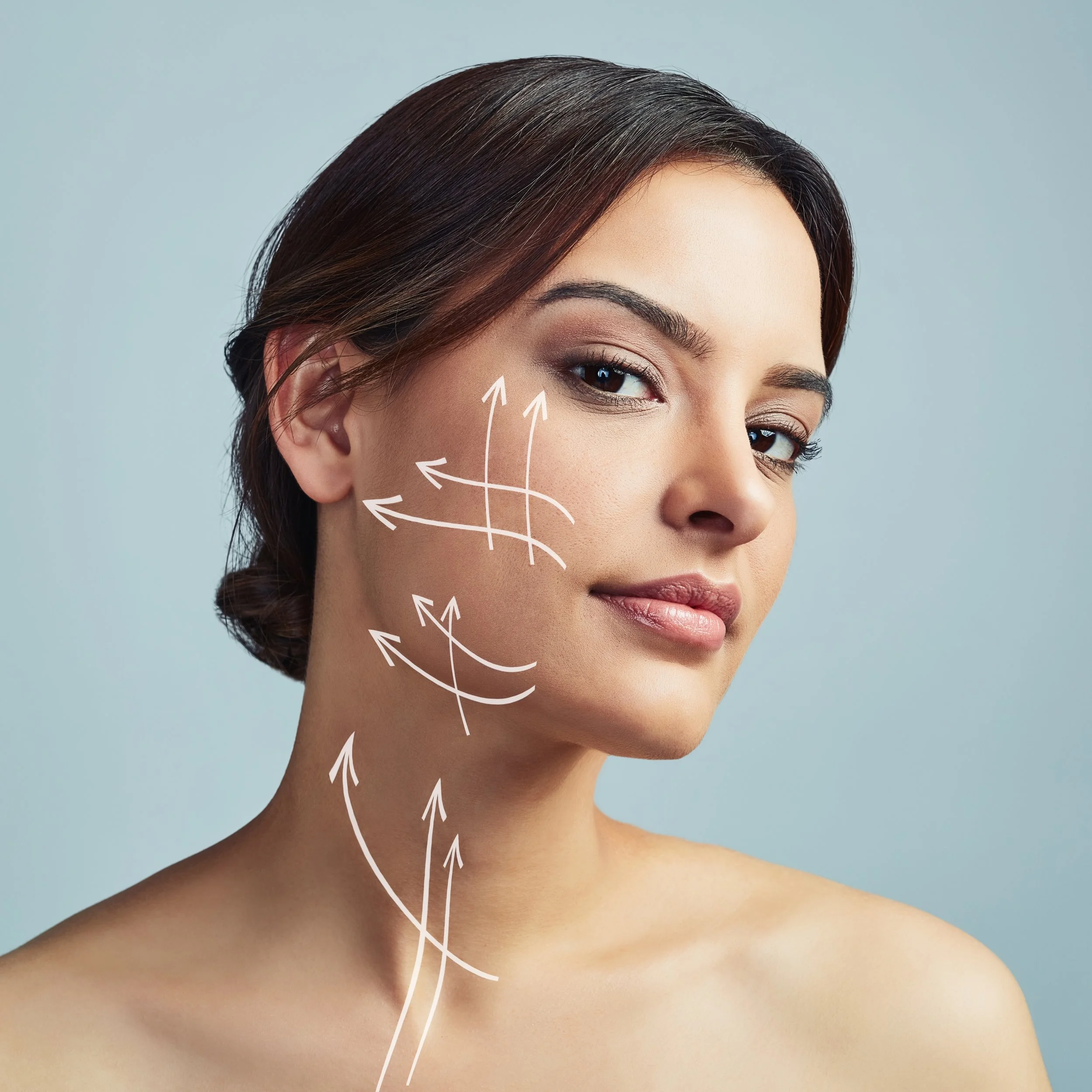
Sculptra and Profhilo are both referred to as bio-stimulators or bio-regenerative injectables. They are often grouped together because both aim to improve skin quality and ageing changes, but their mechanism, goals, and outcomes are quite different.
In reality they work in very different ways and are suited to different patient needs.
Understanding these differences is key to choosing the right approach.
What Is Profhilo ?
Profhilo is a hyaluronic acid-based treatment designed to improve skin hydration, elasticity and overall quality.
Unlike traditional dermal fillers it does not add structure or volume. Instead, it spreads beneath the skin to deeply hydrate and subtly improve skin texture.
It is most commonly used for:
Early signs of ageing
Loss of skin elasticity
Dull or dehydrated skin
Treatment usually involves two sessions spaced four weeks apart. Results are typically seen as improved skin quality rather than a visible change in facial shape.
Read more about Profhilo here.
What Is Sculptra ?
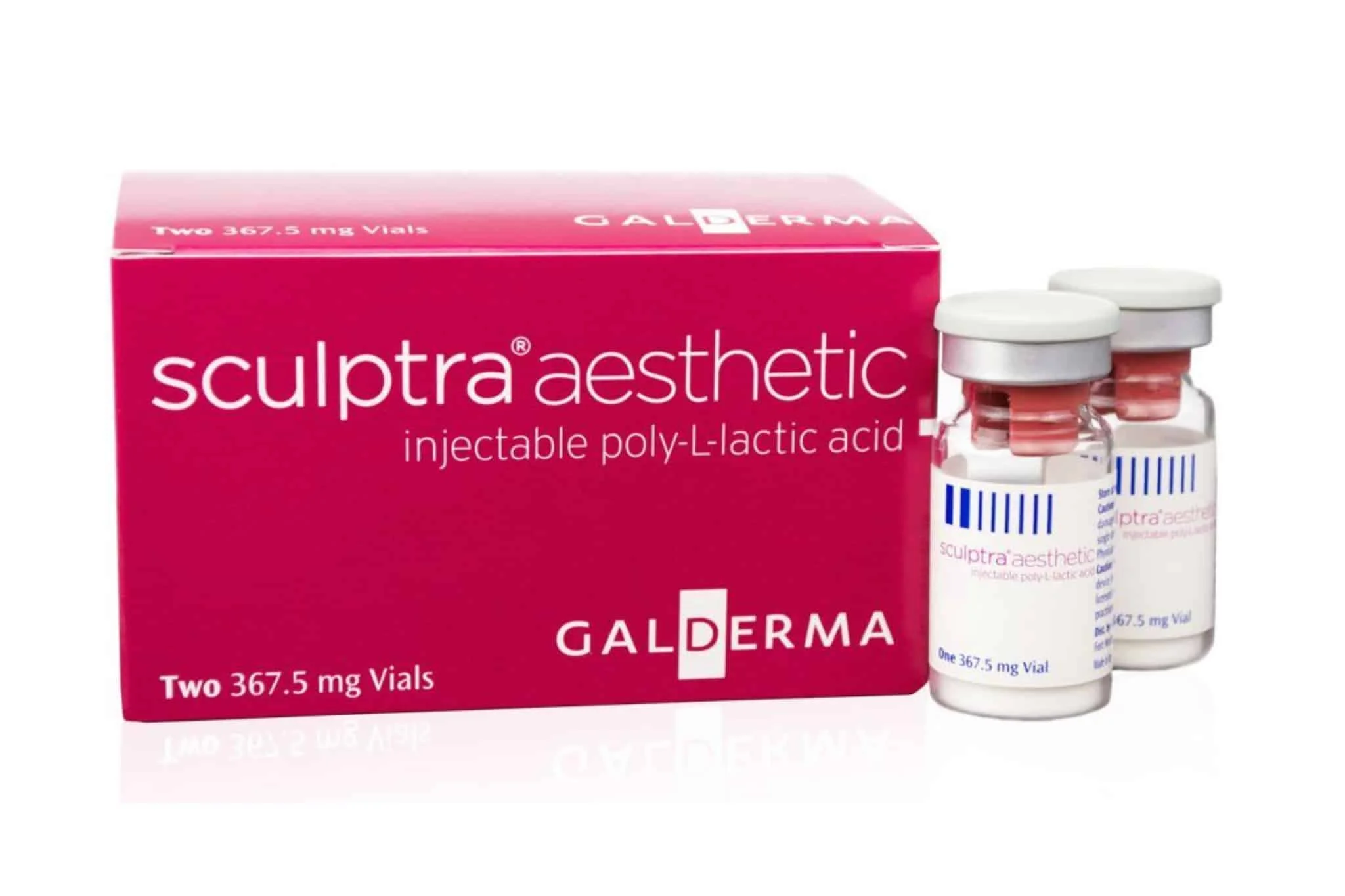
Sculptra is a collagen-stimulating treatment made from poly-L-lactic acid.
Rather than providing an immediate effect, it works gradually by stimulating the body’s own collagen production over time.
There is renewed interest in regenerative medicine, read why after 25 years Sculptra is finally having its moment.
Sculptra is particularly useful where facial ageing has produced a more generalised loss of volume, support and tissue quality rather than one isolated line or hollow.
It is most commonly used for:
Skin laxity associated with ageing
Patients seeking longer-term structural improvement
A course of two treatments is usually required, spaced over 1-2 months. Results develop gradually and can last significantly longer than most other injectable treatments.
Read more about Sculptra here.
Key Differences Between Sculptra and Profhilo
| Comparison | Profhilo | Sculptra |
|---|---|---|
| What is it? | An injectable hyaluronic acid treatment | An injectable Poly-L-lactic acid treatment |
| Main purpose | Improve skin hydration, quality and elasticity | Stimulate collagen and restore gradually lost facial support |
| Best suited to | Dehydrated, crepey or mildly lax skin | Loss of facial support, volume and increasing laxity |
| How does it work? | Distributes hyaluronic acid within the tissues, improving hydration and stimulating skin remodelling | Stimulates the body's own collagen production over time |
| When do results appear? | Usually within a few weeks | Gradually over several months |
| How long do results last? | Typically around 6 months | Often 18–24 months or longer |
| Typical initial treatment | Usually 2 sessions about 4 weeks apart | Usually 2–3 sessions, depending on individual needs |
| Does it add volume? | Not in the way a dermal filler does | Gradually improves support and volume through new collagen formation |
| Can they be used together? | Yes — the treatments can complement each other because they address different aspects of facial ageing. |
Treatment Plan
Profhilo: usually 2 sessions initially then maintenance every 6-12 months
Sculptra: typically a course of treatments tailored to the individual but on average 2-3 sessions initially then maintenance every 12-24 months.
Which Treatment Is Right for You?
The choice between Sculptra and Profhilo depends on your underlying concern.
If your main concern is skin quality, dehydration or early laxity, Profhilo may be the better choice.
If your concern is loss of facial support, volume or more established laxity, Sculptra may be more appropriate.
For some patients, however, the answer is not necessarily Sculptra or Profhilo. The two treatments can sometimes be used together because they address different aspects of facial ageing.
A Subtle, Long-Term Approach
Instead of creating obvious change, they both support gradual, natural-looking improvement.

One of the advantages of both treatments is that they avoid the overfilled appearance that many patients wish to avoid.
This makes them particularly suitable for patients seeking a more understated and regenerative approach to facial ageing.
Why Consultation Matters
Although both treatments are widely discussed, they are not interchangeable.
Choosing the correct treatment requires an understanding of facial anatomy, ageing patterns, and patient expectations. A careful consultation ensures that treatment is tailored appropriately, rather than following trends or generalised recommendations.
At the Cosmetic Doctors Company we firmly believe that your consultation can matter more than your treatment.
Conclusion
Sculptra and Profhilo are both valuable treatments, but they serve different purposes.
Profhilo focuses on improving skin quality and hydration, while Sculptra works at a deeper level to restore structure through collagen stimulation.
The most appropriate choice depends on the individual and in some cases, a combination of both may provide the best outcome.
Consider Your Next Step
A consultation is where every good treatment starts. There will no obligation to proceed. The aim is to provide information and clarity, not pressure to have a treatment. All our consultations and treatments are performed by our team of expert medical doctors.
To arrange a consultation please use the links below to telephone or email or to fill out our contact form click here.