
What Does Good Aesthetic Treatment Aftercare Look Like?
At the Cosmetic Doctors Company aftercare is part of the treatment,
Not an optional extra
When we talk about choosing an aesthetic treatment, most of the attention understandably falls on the treatment itself.
Who will perform it? What will it involve? Will it hurt? What results can I expect? What are the risks?
But there is another question that is sometimes overlooked:
What happens after you leave the treatment room?
Good aftercare is more than being handed a sheet of instructions telling you not to exercise, drink alcohol or touch the treated area. At the Cosmetic Doctors Company, in Surrey, we believe aftercare is part of the treatment itself and an integral part of good medical care.
Good Aftercare Starts Before Your Treatment
Aftercare shouldn't begin once the treatment has finished.
During your consultation, we will explain what you are likely to experience afterwards.
Will there be swelling? Bruising? Redness? Tenderness? How long might it last?
When should you expect to look presentable again?
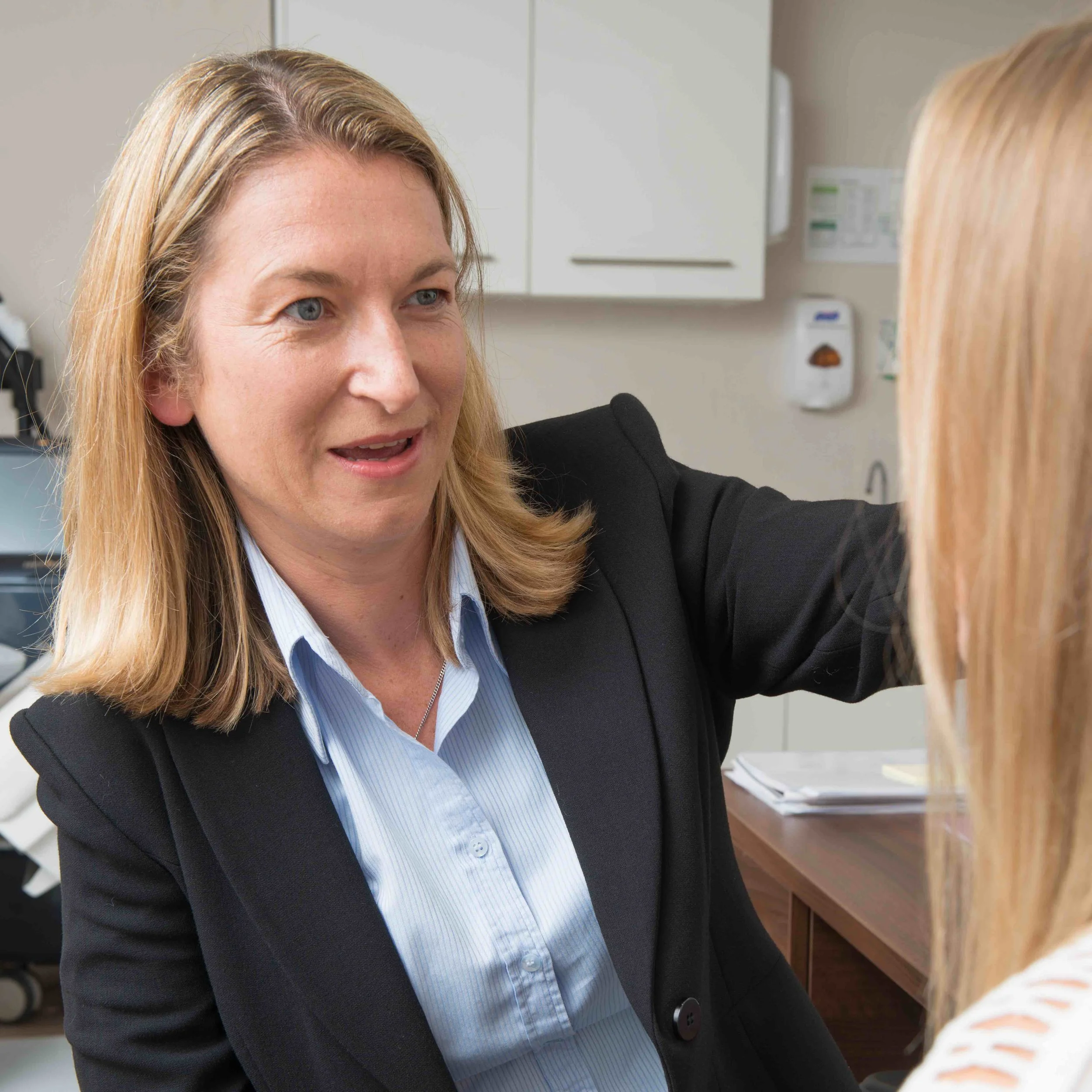
During your consultation, we will explain what you are likely to experience afterwards.
Will there be swelling? Bruising? Redness? Tenderness? How long might it last?
When should you expect to look presentable again?
This matters because many perfectly normal effects of aesthetic treatments can be slightly alarming if you aren't expecting them.
Dermal fillers, for example, can produce temporary swelling and occasionally some initial asymmetry. Polynucleotide injections around the eyes can cause quite noticeable small swellings immediately afterwards. Microneedling commonly leaves the skin red.
Knowing beforehand what is likely to happen makes the experience considerably less worrying.
Good aftercare doesn't just tell you what to do. It tells you what to expect.
What Is Normal and What Isn't?
This is perhaps one of the most important purposes of aftercare.
Some bruising, swelling, redness or tenderness is common after many injectable treatments. Most of it settles without intervention.
But occasionally something happens that isn't part of the normal recovery process.
Patients shouldn't be expected to diagnose complications themselves. What they do need is enough information to recognise when something is sufficiently unusual that they should contact their practitioner.
That means explaining not only the expected effects of treatment, but also the warning signs that should prompt a telephone call or assessment.
The aim isn't to frighten patients with a long list of rare complications. It is to make sure that if something doesn't seem right, they know what to do.
Different Treatments Need Different Aftercare
There is no single set of aftercare instructions that applies to every aesthetic procedure.
The advice following a dermal filler treatment is different from that following microneedling. A collagen-stimulating injectable may have its own particular aftercare requirements. Treatments involving the skin surface require different considerations from injections beneath it.
There can also be differences between patients. Medical history, medication, the area treated and exactly what has been done can all affect the advice that is appropriate.
Aftercare should therefore be relevant to your treatment and your circumstances, rather than simply a generic sheet given to everyone who walks through the door.
Good Aftercare Should Be Evidence-Based
Aesthetic medicine has accumulated quite a collection of aftercare rules over the years.
Don't exercise. Don't bend down. Don't fly. Don't sleep on your side. Don't drink alcohol. Don't have a hot shower. Don't touch your face.
Some advice has a sensible medical basis. Some is precautionary. And some has simply been repeated so often that it has become accepted wisdom despite rather limited evidence that it makes any meaningful difference.
Good aftercare should distinguish between them.
We should explain the precautions that genuinely matter, rather than burdening patients with an unnecessarily complicated list of restrictions.
In our recent post on “What Should I Do After My Botox?” we highlight that aftercare should be based on robust science and not anecdotal evidence.
Knowing Who to Contact Matters
Even excellent practitioners occasionally encounter complications.
The important question isn't simply whether complications can occur. It is what happens if they do.
If you are concerned later that evening, the following morning or several days after treatment, do you know who to contact?
And, importantly, can your concern be assessed by someone who understands the treatment you received and knows what to do if there is a problem?
A practitioner's responsibility shouldn't end when a patient walks out of the treatment room.
Providing an appropriate route back for advice and assessment is an essential part of good aftercare. At the Cosmetic Doctors Company all our patients have round-the-clock access to us via our mobile telephone number.
What About Follow-Up Appointments?
Not every aesthetic treatment requires every patient to return routinely for another appointment.
Sometimes a planned review is useful. Sometimes it is important. At other times, a follow-up is only necessary if the patient or practitioner has a concern.
What matters is that appropriate follow-up is available. If something needs reviewing, it should be reviewed.
There should never be a sense that once the treatment has been performed, the transaction is complete and the patient is on their own.
Aftercare Can Affect Your Result Too
Aftercare isn't only about identifying complications.
Following appropriate advice can help minimise swelling and bruising, allow the skin to recover properly and, for some treatments, contribute to achieving the best possible result.
It is also important to know when not to judge the outcome. Many aesthetic treatments don't look their best immediately. Swelling needs to settle. Bruising needs to disappear. Some treatments take days to begin working; others stimulate changes that develop gradually over weeks or months.
Looking critically in the mirror several hours after treatment is rarely a useful way of assessing the final result. Good aftercare therefore includes explaining when it is reasonable to judge whether the treatment has worked.
Aftercare Is Part of Good Medical Care
When choosing an aesthetic practitioner, it is natural to concentrate on qualifications, experience and the results they achieve. Consider reading how do I choose a safe aesthetic practitioner?
But it is worth asking another question: What happens if I need you afterwards?
Good aesthetic care begins with a thorough consultation. It includes careful assessment, appropriate treatment and honest discussion of risks and expectations.
And it includes looking after the patient afterwards. Because an aesthetic treatment isn't simply an injection or a procedure.
Care begins with consultation and doesn't end until the treatment has safely settled.
At the Cosmetic Doctors Company we never forget that we are doctors and as such, have a duty of care. A duty that we take very seriously.
Consider Your Next Step
A consultation is where every good treatment starts. There will no obligation to proceed. The aim is to provide information and clarity, not pressure to have a treatment. All our consultations and treatments are performed by our team of expert medical doctors.
To arrange a consultation please use the links below to telephone or email or to fill out our contact form click here.