
“I still want to look like me” is one of the most common things patients say they want from aesthetic treatment. Here is what it actually means — and why achieving it is harder than it sounds.
At the Cosmetic Doctors Company in Esher, Surrey this is one of the most requested outcomes - that few can quite define.
Ask most patients what they are hoping for from aesthetic treatment and the answer, in one form or another, comes down to the same thing. They want to look better, more refreshed, less tired. And above all, they want to still look like themselves. It is the last part that matters most and yet it is the hardest to define, hardest to measure, and hardest to consistently deliver.
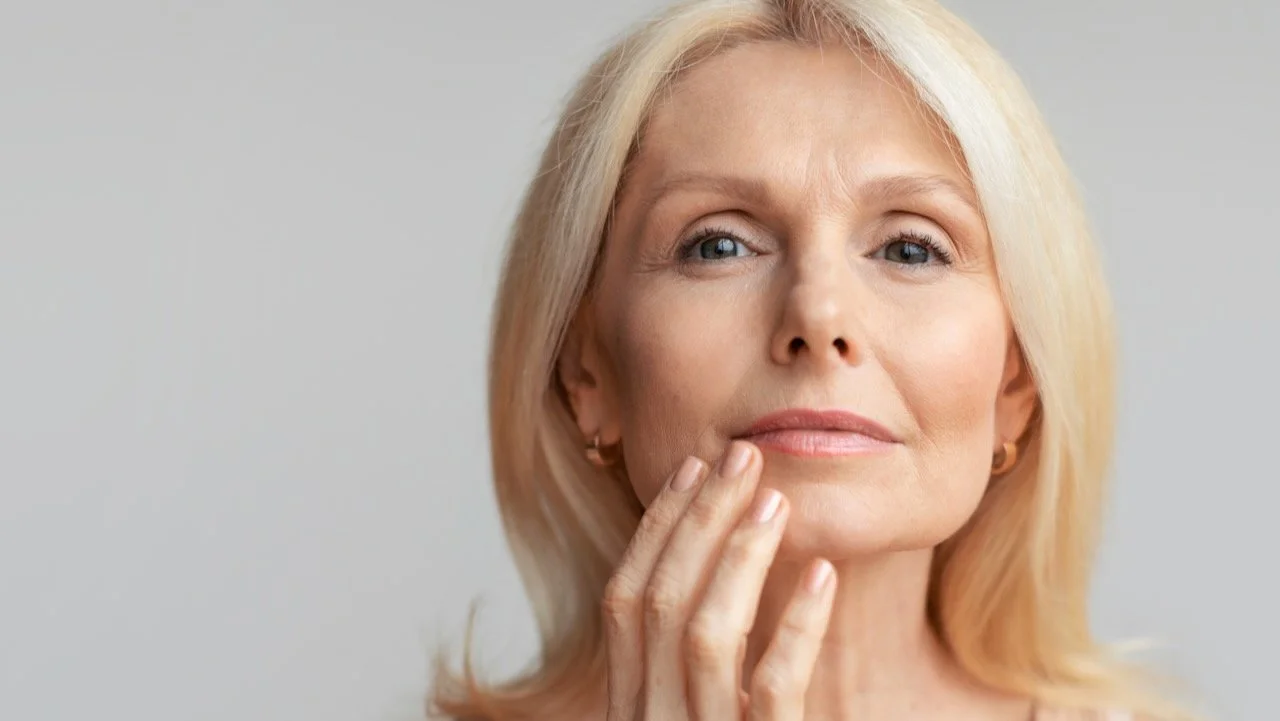
The question worth asking.
What does it actually mean to still look like you?
What it is not
It is easier to start with what it is not. We have all seen the results that prompted the request in the first place; the face that has been treated to the point where something fundamental has shifted. The features may be individually unchanged, the skin smoother, the volume restored, the lines softened. And yet the person looking back from the photograph does not quite look like the person we know. Something has been lost that is difficult to name but impossible to miss.
It does not take much
It is not always about excess. Sometimes a single well-intentioned treatment in the wrong place, or in the wrong amount, is enough to alter the particular quality that makes a face recognisably that person's own. The change need not be dramatic to feel wrong.
Every face has a signature
Every face has a signature. It is the product of bone structure, soft tissue distribution, the particular way features relate to one another, the habitual expressions that have left their trace over decades, and the subtle asymmetries that give a face its character rather than its flaw. We recognise people we love from a distance, in poor light, at unexpected angles, because that signature is deeply encoded in how we read them.
Why that signature is so easy to disturb
The things that make a face recognisable are not always the things that make it conventionally attractive. An animated brow, a distinctive jawline, a particular relationship between the eyes and the cheeks: these are the features that make someone look like themselves, and they are not always the features that a standard aesthetic approach would choose to preserve. A practitioner who treats towards a general ideal of attractiveness without reference to the individual face in front of them risks improving the surface while erasing the signature.
The first step is simply looking
Not at the concern the patient has come in with, but at the face as a whole; its proportions, its character, the way it moves, the features that are most distinctively theirs. Understanding what makes this face this person's face is the essential clinical prerequisite for any treatment that hopes to improve it without altering it.
The second step is restraint
The signature of a face is fragile in proportion to how much is done to it. A conservative approach, treating less rather than more, preserving movement rather than eliminating it, addressing structure rather than chasing surface: this is what keeps a treated face in the territory of looking like the person, rather than like a version of the person that has been subtly edited. At our Surrey-based clinic - Why Less Is Now More
The third step is honesty
Sometimes the treatment a patient requests would, in our clinical judgement, risk that recognisable quality. Saying so, clearly and without apology, is one of the most important things we can do. It is worth understanding why your consultation matters more than your treatment.
The goal, simply stated
When we say we want a patient to still look like themselves, we mean something precise. We mean that the people who know them should see the same person they have always known, only looking better. Not different. Not younger in a way that reads as altered. Simply well; rested, vital, and entirely, unmistakably themselves.
Why it is worth the effort
That is a harder target to hit than it sounds. It is also, in our view, the only one worth aiming for.
To arrange a consultation, please visit our contact page or get in touch using the telephone and email links below.