
Skincare and Aesthetic Treatments
Why One Without the Other Is Never Enough ?
Two approaches to skin health that are frequently treated as alternatives. Here is why they are not and why the best results almost always involve both.
A question worth asking
Patients sometimes arrive at a consultation having invested significantly in skincare. Often a carefully assembled routine, medical-grade products, genuine commitment to daily application and wondering whether aesthetic treatment adds anything meaningful on top. Others arrive having had injectable treatments for years without giving their skincare routine any serious thought, and wondering why their results never seem to last as long as they should.
Both groups are missing half of the picture. And understanding why requires a clear account of what each approach actually does and what it cannot.
What skincare does
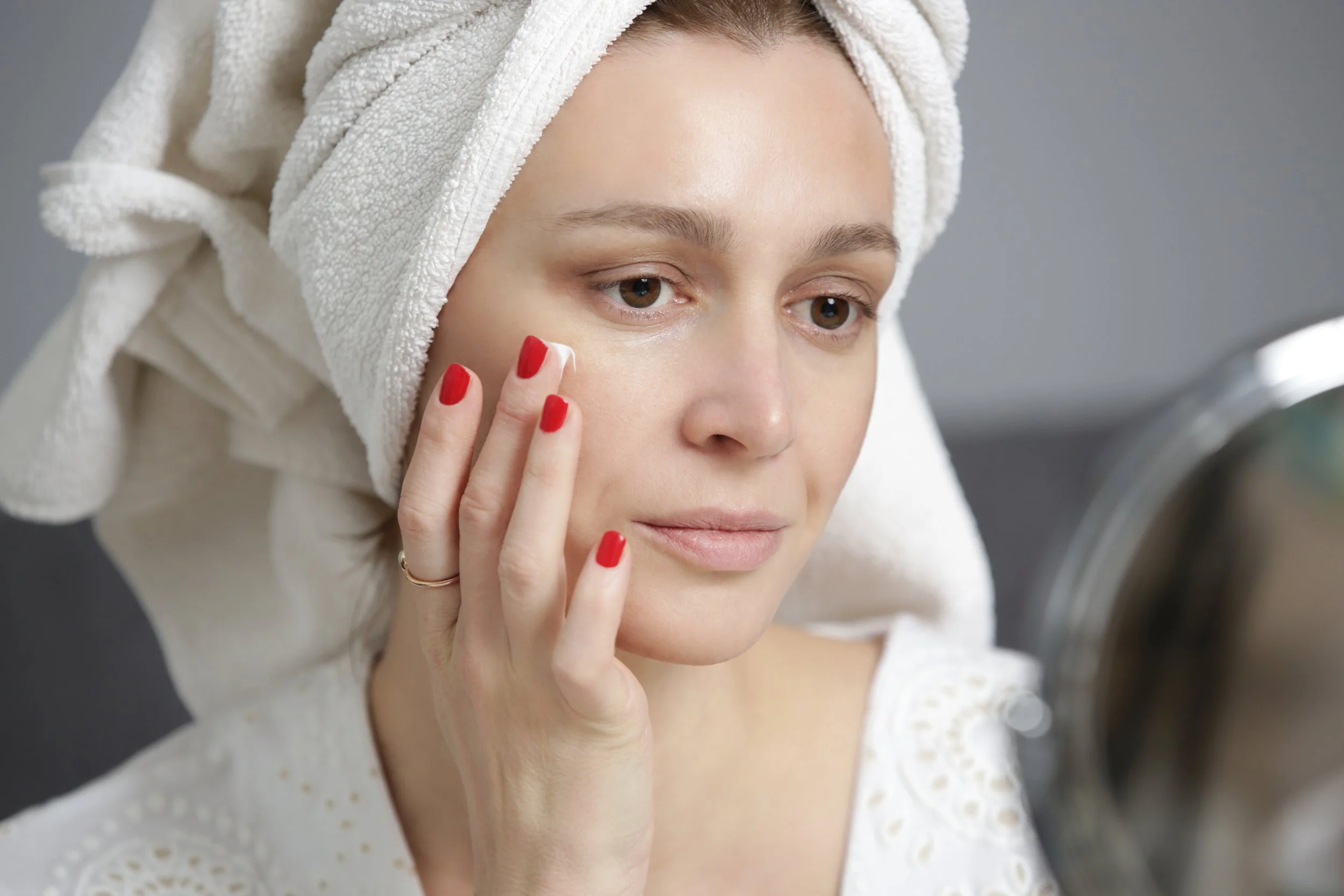
A well-constructed medical-grade skincare routine works at the surface and just beneath it.
A retinoid stimulates cell turnover, drives collagen synthesis in the dermis, and progressively improves skin texture, tone, and the organisation of the stratum corneum. Vitamin C neutralises the free radical damage generated by UV exposure and supports collagen production as an essential cofactor.Retinoids remain the cornerstone of skincare.
Daily broad-spectrum SPF prevents the UV-driven collagen destruction and pigmentation that would otherwise undo every other investment in skin health. Ceramide-containing moisturisers support the barrier that determines how well the skin retains moisture and tolerates active ingredients. The combination of SPF, a retinoid and Vitamin C are a proven beneficial trio.
These are not trivial effects. Consistent, well-chosen skincare produces genuine and measurable improvements in skin quality over months and years, in texture, tone, hydration, and the overall condition of the epidermal and upper dermal layers. It is the foundation on which everything else is built.
What skincare cannot do is address the structural changes that occur beneath those layers. Volume loss in the deep fat compartments of the face. The progressivedecline in dermal collagen that accumulates with age and UV exposure. The muscular activity that drives persistent expression lines. The tissue descent that produces jowling and loss of jawline definition. These changes occur below the reach of even the most sophisticated topical routine and they require a different category of intervention.
What aesthetic treatment does
Injectable aesthetic treatments work at the structural level that skincare cannot reach. Botox relaxes the muscles responsible for expression lines — addressing the dynamic component of facial ageing that no topical product can influence. Dermal fillers restore volume to the deep fat compartments that have depleted with age, returning structural support to the overlying tissue. Biostimulatory treatments — Sculptra, Profhilo, polynucleotides — stimulate collagen and elastin production within the dermis itself, improving the quality and structural integrity of the tissue from within.
These are powerful and effective interventions. What they are not is a substitute for the surface-level work that skincare performs. A patient whose skin quality is poor — thin, dehydrated, lacking in the epidermal vitality that good skincare maintains — will find that injectable results look less natural, settle less well, and fade more quickly than in a patient whose skin is properly maintained. The injectable treatment is working in tissue that is not in optimal condition to receive it.
Why both matter — the compounding effect
The relationship between skincare and aesthetic treatment is not additive. It is multiplicative. Good skincare improves the tissue environment in which injectable treatments work and injectable treatments address the structural changes that skincare alone cannot correct. Each makes the other more effective.
A patient who has a consistent retinoid, vitamin C, and SPF routine alongside their botulinum toxin or filler treatment will find that their injectable results look better, integrate more naturally into the surrounding skin, and last longer than those of a patient who relies on injectables alone. A patient whose structural concerns are addressed with appropriate injectable treatment will find that their skincare produces more visible surface improvements — because the scaffolding beneath the surface is in better shape.
The patients who age most gracefully, in our experience, are almost always those who have invested in both, not dramatically, not expensively, but consistently and with genuine clinical guidance about what each approach is achieving.
The practical starting point
If you are currently doing one but not the other, the entry point is simpler than most people expect.
If you have an injectable treatment plan but no medical-grade skincare routine, the starting point is the trinity we have written about elsewhere on this blog — a retinoid in the evening, a vitamin C serum in the morning, and daily broad-spectrum SPF. These three products, used consistently, will make a measurable difference to your skin quality within weeks and a significant difference within months.
If you have a good skincare routine but have never considered aesthetic treatment, a consultation is the most useful next step, not to be sold a treatment, but to understand whether the structural changes you are beginning to notice are something that skincare can address or whether a different category of intervention would serve you better. The answer may be that your skincare is doing an excellent job and nothing else is needed yet. That is a perfectly valid outcome of a consultation.
Summary
Skincare and aesthetic treatment are not alternatives. They are complementary approaches to skin health that operate at different tissue levels, address different aspects of ageing, and produce better results together than either achieves in isolation. Treating them as an either-or choice is the most common and most consequential mistake patients make in managing their skin over time.
The goal is a face that looks well, is well, and continues to look well over the years that follow. That goal is most reliably achieved when both approaches are in play — each doing what it does best, each making the other more effective.
To find out more about our approach to skincare and aesthetic treatment, or to arrange a consultation, please visit our contact page or get in touch directly.
SEO Title: Skincare and Aesthetic Treatment — Why One Without the Other Is Never Enough
Meta Description: Skincare and aesthetic treatment are frequently treated as alternatives. Here is why they are not — and why the best results almost always involve both working together.
URL Slug: /blog/skincare-aesthetic-treatment-relationship-why-both-matter
Blog Excerpt: Patients sometimes arrive having invested significantly in skincare and wondering whether aesthetic treatment adds anything meaningful. Others have had injectable treatments for years without giving their skincare any serious thought. Both groups are missing half of the picture.