
Aesthetic Treatment Safety: Risks, Myths and What Patients Should Know
This article is not meant to scare or alarm you; it is simply an effort to make you better informed and help you make the right choices when choosing a practitioner and a treatment.
The global aesthetics industry has grown exponentially over the past decade, with millions of people opting for treatments ranging from anti-wrinkle injections & derma fillers to laser resurfacing. As accessibility increases and social media normalises these procedures, so too does the spread of misinformation. Understanding the real risks and separating them from myths is essential before any patient sits in that treatment chair.
Patients are often left trying to separate fact from fiction, particularly when it comes to safety, risks, and long-term effects. Understanding what is true, what is exaggerated, and what genuinely matters is essential when considering any treatment.
Are Aesthetic Treatments Safe?

When carried out by appropriately trained and experienced medical professionals, aesthetic treatments have a strong safety profile.
At our Surrey clinic your consultation and any subsequent treatment will always be with one of our expert, medically qualified doctors.
The Reality of Risk
No cosmetic procedure, however minor it may seem, is entirely risk-free. Even treatments considered routine carry genuine potential for adverse outcomes.
Botulinum toxin injections, commonly known as Botox, are among the most performed aesthetic treatments in the world. When administered correctly by a trained medical professional, they are considered safe. However, complications can include eyelid drooping (ptosis), brow drooping, asymmetry and bruising. These risks escalate significantly when injections are performed by inadequately trained practitioners.
Read more about is Botox safe?
and the risks of fake Botox.
Dermal fillers present a more serious risk profile. Blood vessel blockage (vascular occlusion) is where filler is inadvertently injected into or compresses a blood vessel and can cause skin loss & tissue death (necrosis) and in rare cases blindness. Although very rare, this is not a theoretical risk; there are documented cases globally. Safe administration requires thorough knowledge of facial anatomy, and practitioners must carry hyaluronidase, the enzyme used to dissolve hyaluronic acid filler in an emergency. Consider reading the one question you must ask before a dermal filler treatment.
Read a more thorough look at Are Dermal Fillers Safe?
Six Common Myths That Could Put Your Safety at Risk:-
Myth 1. "Natural" or "subtle" treatments are always safe.
Many patients seek small tweaks assuming the risk is proportionally small. In reality, even a modest filler treatment involves a needle entering the face, and the anatomical risks remain the same regardless of volume used. One of the most common misunderstandings is that aesthetic procedures are purely cosmetic and therefore low risk. Treating them casually increases the risk of complications and poor outcomes.
Myth 2. Anyone can safely administer injectables.
In many countries, regulation around who can legally perform aesthetic procedures remains frustratingly loose. The proliferation of "filler parties" and treatments offered in non-clinical settings is a genuine public health concern. A beautician, however skilled in other areas, does not possess the anatomical training to safely manage a serious vascular emergency.
Myth 3. Complications are always immediately obvious.
Some adverse events develop hours or even days after treatment. Delayed swelling, infection, and delayed hypersensitivity reactions to filler are well-documented. Patients should receive clear aftercare instructions and know exactly who to contact if something changes.
Myth 4. If Something Goes Wrong, It’s Easy to Fix
While many complications are manageable, not all are simple to correct.
This is why prevention is critical:
Careful planning
Conservative treatment
Understanding limitations
A strong emphasis on safety reduces the likelihood of needing corrective work.
Myth 5. If a clinic is busy or popular on social media, it must be reputable.
Marketing success and clinical safety are entirely different things. Follower counts are not a proxy for qualifications. A practitioner can amass thousands of followers through well-lit before-and-after photography, strategic hashtags, and an aesthetically pleasing feed — none of which tells you anything about their training, their emergency protocols, or how they would handle a complication at 9pm on a Saturday.
Some of the most dangerous practitioners are also the most visible online. Glossy content is easy to produce; genuine clinical competence is not. Patients should be especially cautious of accounts that showcase dramatic transformations, use heavily filtered imagery, or rely on celebrity endorsements. Social proof is a powerful psychological force, but in a medical context it can be actively misleading. Popularity is not safety. A packed waiting room is not a qualification.
Read why social media popularity isn't a guarantee of safety in aesthetics
Myth 6. More Treatment Means Better Results
In practice, the opposite is often true. Over-treatment is one of the leading causes of unnatural results and patient dissatisfaction. A careful, measured approach, often discussed in avoiding overdone aesthetic treatments, is key to achieving natural outcomes.
Safety is not determined by the treatment alone — it depends on:
Patient selection
Appropriate product choice
Correct technique
Ongoing care and follow-up
This is why a proper medical consultation and assessment is always the first and most important step.
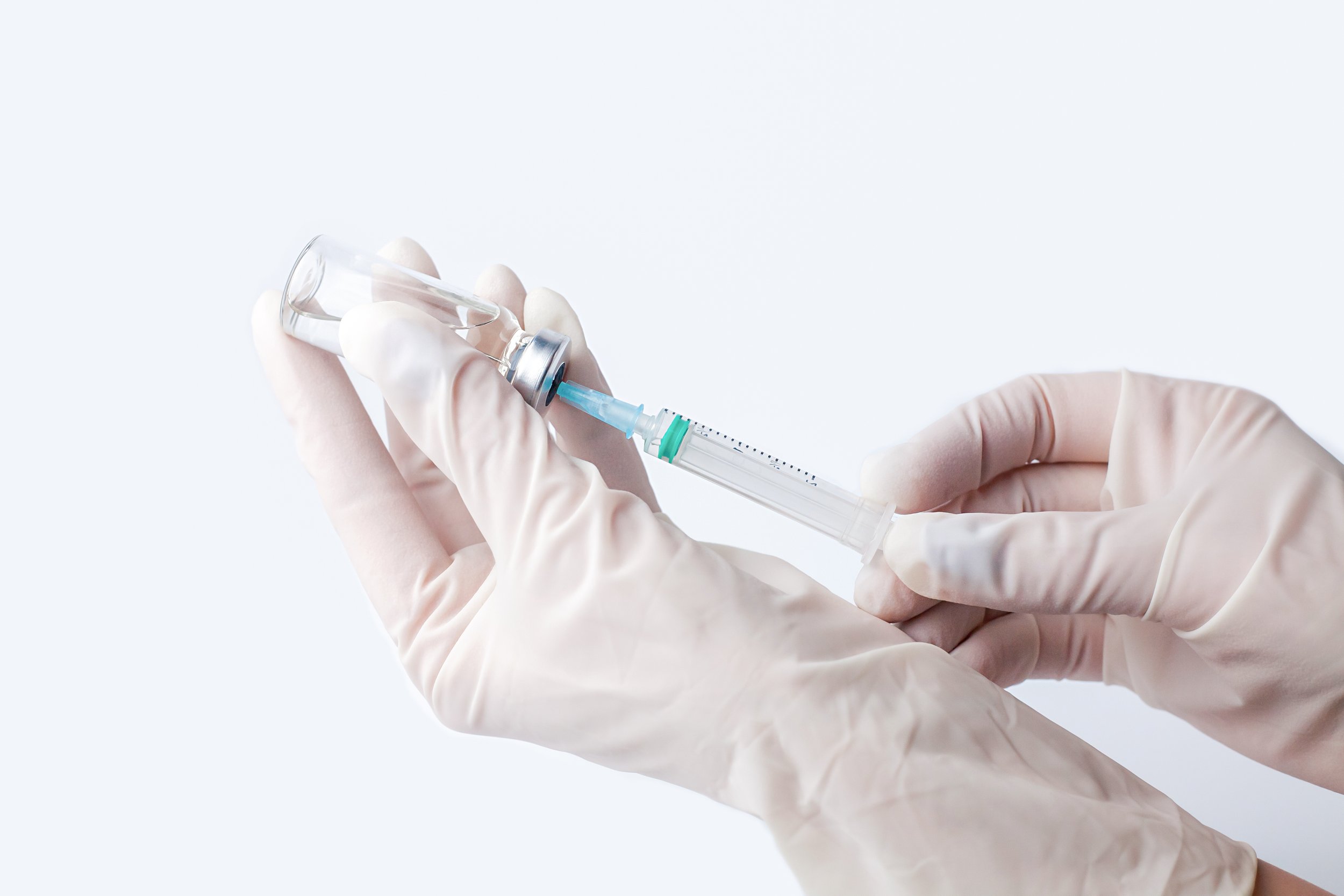
In reality, they are medical treatments involving:
Detailed anatomical knowledge, necessary to minimise complications
Expertise, Adequate Training & Clinical judgement
A responsible practitioner will always discuss these openly during a detailed consultation before treatment.
Why Practitioner Expertise Matters Most
Your most important safety factor is not the product — it is choosing the right practitioner. You should knowhow to choose a safe aesthetic practitioner.
Expertise includes:
Deep understanding of facial anatomy
Experience managing complications
Ability to say “no” when treatment is not appropriate
Focus on long-term outcomes rather than quick fixes
This is what separates medical aesthetic practice from purely commercial treatment.
Consider reading our article The Regulation of UK Aesthetic Medicine: Why Are Patients Still Waiting?
Safety and The Best Results Go Hand in Hand
Interestingly, the safest treatments are often also the most natural-looking.
This is because both rely on:
Careful assessment
Conservative dosing
Respect for individual anatomy
Patients seeking subtle and natural aesthetic results are often already prioritising safety — even if they don’t realise it.
The Role of Ongoing Care
Safety does not end after the treatment. Good practice includes:
Clear aftercare advice
Information about how to contact your practitioner out-of-hours, if needed.
Monitoring results over time and access to planned follow-up
Adjusting future treatments accordingly
This continuity is part of what defines high-quality care. See Why a Follow-Up is Necessary After Anti-Wrinkle Injections.
Conclusion: Informed Patients Make Safer Choices
The most effective way to improve safety in aesthetic medicine is through patient education. Understanding:
What treatments involve
What risks exist
What realistic outcomes look like
This allows patients to make confident, informed decisions.
Ultimately, safety is not just about avoiding complications — it is about choosing the right approach from the very beginning.
Consider Your Next Step
A consultation is where every good treatment starts. There will no obligation to proceed. The aim is to provide information and clarity, not pressure to have a treatment. All our consultations and treatments are performed by our team of expert medical doctors.
To arrange a consultation please use the links below to telephone or email or to fill out our contact form click here.