
Why Good Botox Isn't Just About the Injections
Anyone Can Learn to Inject Botox. Experience Is Knowing Where, When and How Much To Inject.
Most people think Botox is all about injections.
That's understandable. After all, the treatment itself is a few small injections with the procedure taking less than ten minutes.
But the injections are actually the final step.
The real skill lies in understanding the individual face sitting in front of you; deciding where to inject, how much to inject and where not to inject. An assessment that takes place before the syringe is ever picked up.
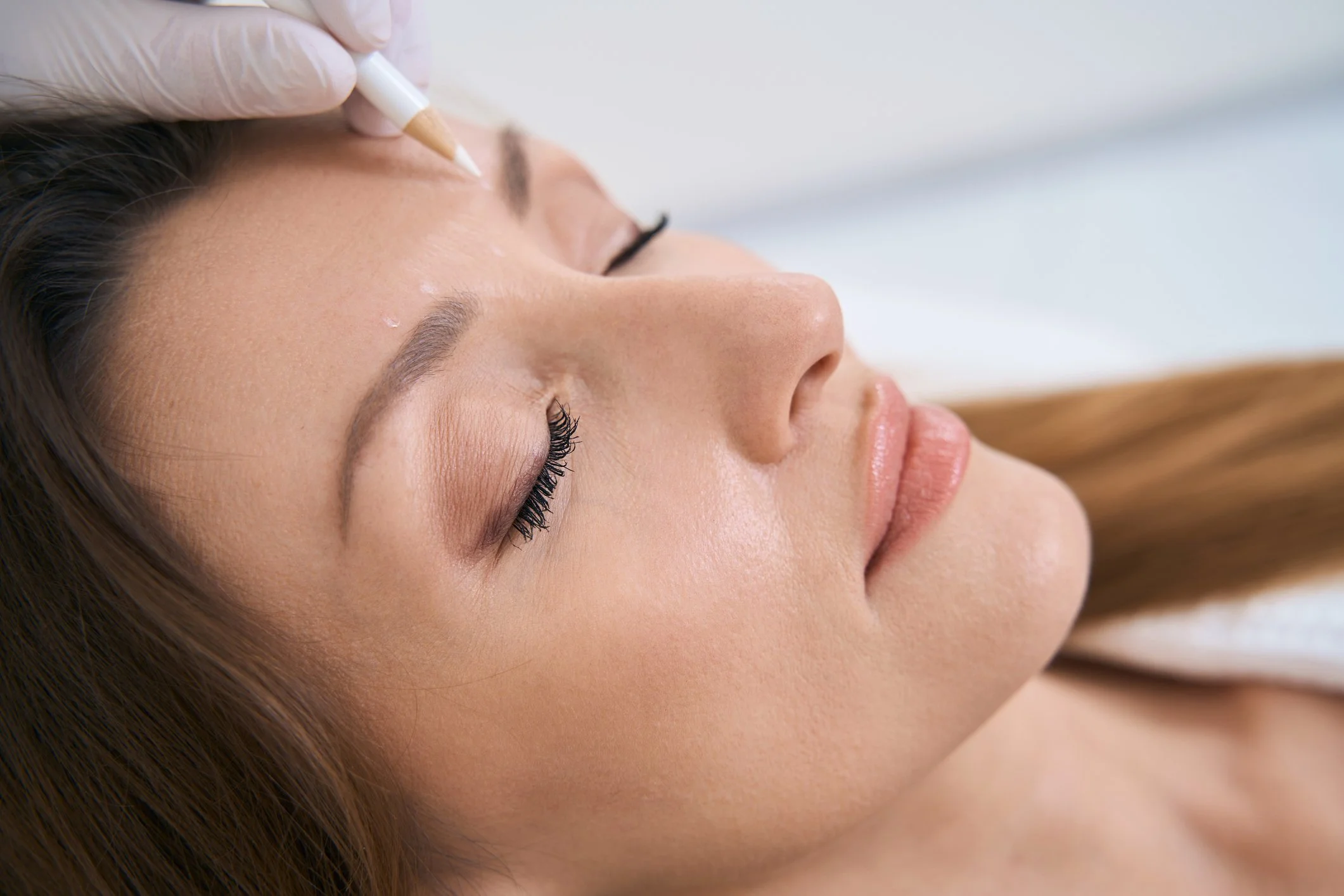
Botox should never be a one-size-fits-all procedure.
It’s all about assessment and planning.
The Easy Part
I sometimes say that I could teach someone with good manual dexterity and no fear of needles to perform a basic Botox treatment in a single morning.
That may sound surprising, but the mechanics of giving the injections are not especially complicated.
If they followed a standard injection pattern using the same dose for every patient, many people, particularly younger patients with straightforward forehead lines, would probably be pleased with the result. That treatment template is how some practitioners are taught on a one-day course. And how they continue in practice.
So if the injections themselves aren't especially difficult . . .
. . . . so what takes years to learn?
The Foreheads That Teach You
Not every forehead behaves in the same way.
Some muscles are naturally stronger than others.
Some people raise their eyebrows constantly without realising it.
Others have one side of the forehead working harder than the other.
As we get older, the forehead muscles may also play a vitally important role in supporting the position of the eyebrows.
Treat every forehead in exactly the same way and a lot of the time you'll produce a reasonable result.
Until you don't.
Where Experience Begins
The patients who teach us the most are rarely the straightforward ones.
They're the people who tell you,
"I had Botox somewhere else and didn't really like it."
Or, "My eyebrows felt heavy afterwards" or "It looked fine in the middle but not at the sides"
Those experiences are rarely a reason to abandon Botox altogether.
More often, they're a reminder that the previous treatment may simply not have been tailored to that particular forehead. Experience gradually teaches you to recognise those patterns before treatment begins.
Looking Before Injecting
Before I perform any treatment, I'm not just looking at the wrinkles.
I'm watching how the muscles interact and how the forehead and brow move.
Which muscles are strongest?
Which are compensating for others?
How much support are they providing to the eyebrows?
Would relaxing one area improve the result or create a problem somewhere else?
Those questions determine the treatment far more than the act of giving the injections.
There Is No Standard Forehead
One of the common misconceptions is that Botox can be given using exactly the same pattern and exactly the same dose for everyone.
In reality, no two foreheads are identical.
A treatment that produces an excellent result in one patient may produce a disappointing result in another.
That's why the consultation and assessment matter so much. The best treatment isn't based on a template. It's based on the individual sitting in front of you.
Experience Changes the Plan
Perhaps the biggest difference experience makes is knowing when not to follow the obvious plan.
Occasionally, I'll deliberately use fewer injection points than expected. Sometimes I'll reduce the dose in one area and increase it in another. Sometimes I'll recommend leaving a particular muscle alone altogether.
With a first-time patient I will always start cautiously and then review in 2~3 weeks time. That follow-up appointment affords the opportunity to assess results and adjust dosage.
Those decisions aren't random.
They're based on seeing thousands of different foreheads over many years and understanding how they are likely to respond. That's not something a textbook can teach. It's something that develops one patient at a time.
The Consultation Is the Treatment
Patients often assume that the injections are the important part of the appointment.
In many ways, the opposite is true.
The consultation is where the treatment is really planned. It's where anatomy, muscle activity, previous treatments, expectations and facial balance all come together to create an individual plan. Read more about why your consultation matters more than your treatment.
The injections simply put that plan into practice.
The Bottom Line
Botox doesn't produce natural results because it's Botox. Natural results come from understanding the individual face.
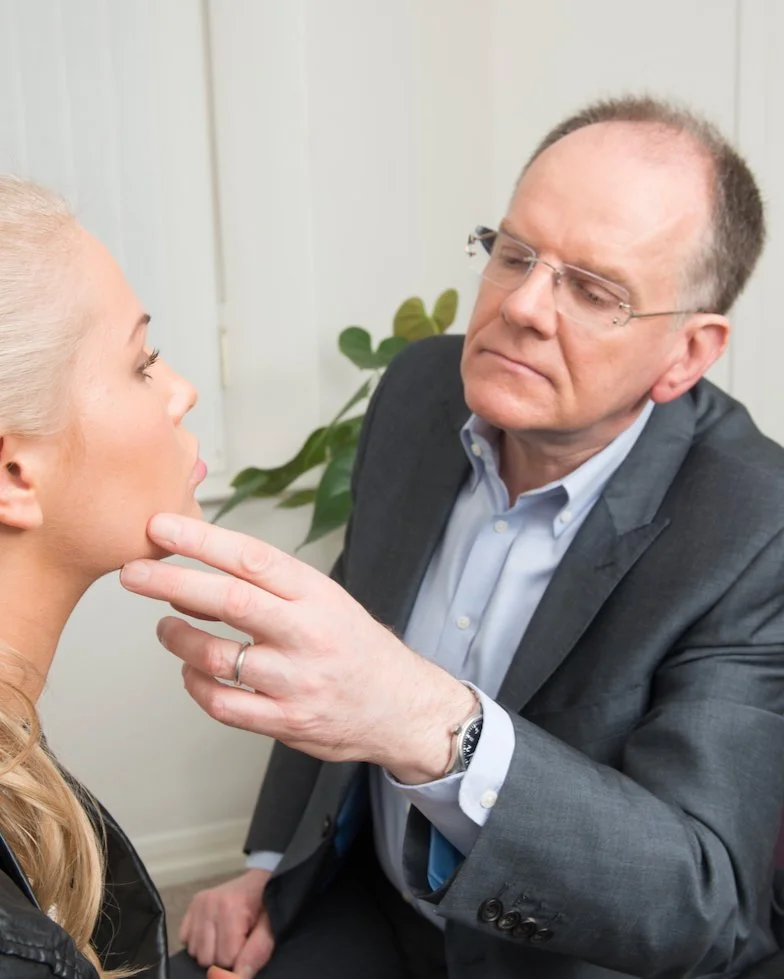
The injections themselves may take only a few minutes. The judgement behind them takes years to develop.
That's why every good Botox treatment begins long before the first injection.
About the author
Dr Peter Forrester has practised aesthetic medicine for over 25 years and has extensive experience in non-surgical facial rejuvenation. He believes that all good aesthetic treatment begins with a thorough consultation, honest advice and a commitment to providing safe, natural-looking results for every patient.