
Celebrity Culture and the Aesthetics Industry — A Marriage, For Better or Worse
Celebrity Culture and the Aesthetics Industry — an uneasy union ?
The aesthetic industry owes a debt to celebrity culture. It also bears significant scars from the same relationship. An honest examination of both.
An unlikely but powerful alliance
Aesthetic medicine did not need celebrity culture to exist — but it needed it to grow at the pace it has. The normalisation of treatment, the removal of stigma, and the creation of a mainstream conversation about appearance and ageing: much of this can be traced directly to the visibility of treated faces in public life. For that, the industry owes a genuine debt. The acknowledgement should come with a significant caveat.
What celebrity culture demanded in return
The faces most visible in popular culture are not representative of what good aesthetic medicine looks like. They are, frequently, its most extreme expression; the result of unlimited budgets, unlimited access to treatment, and an absence of the clinical restraint that separates a good outcome from a damaging one.
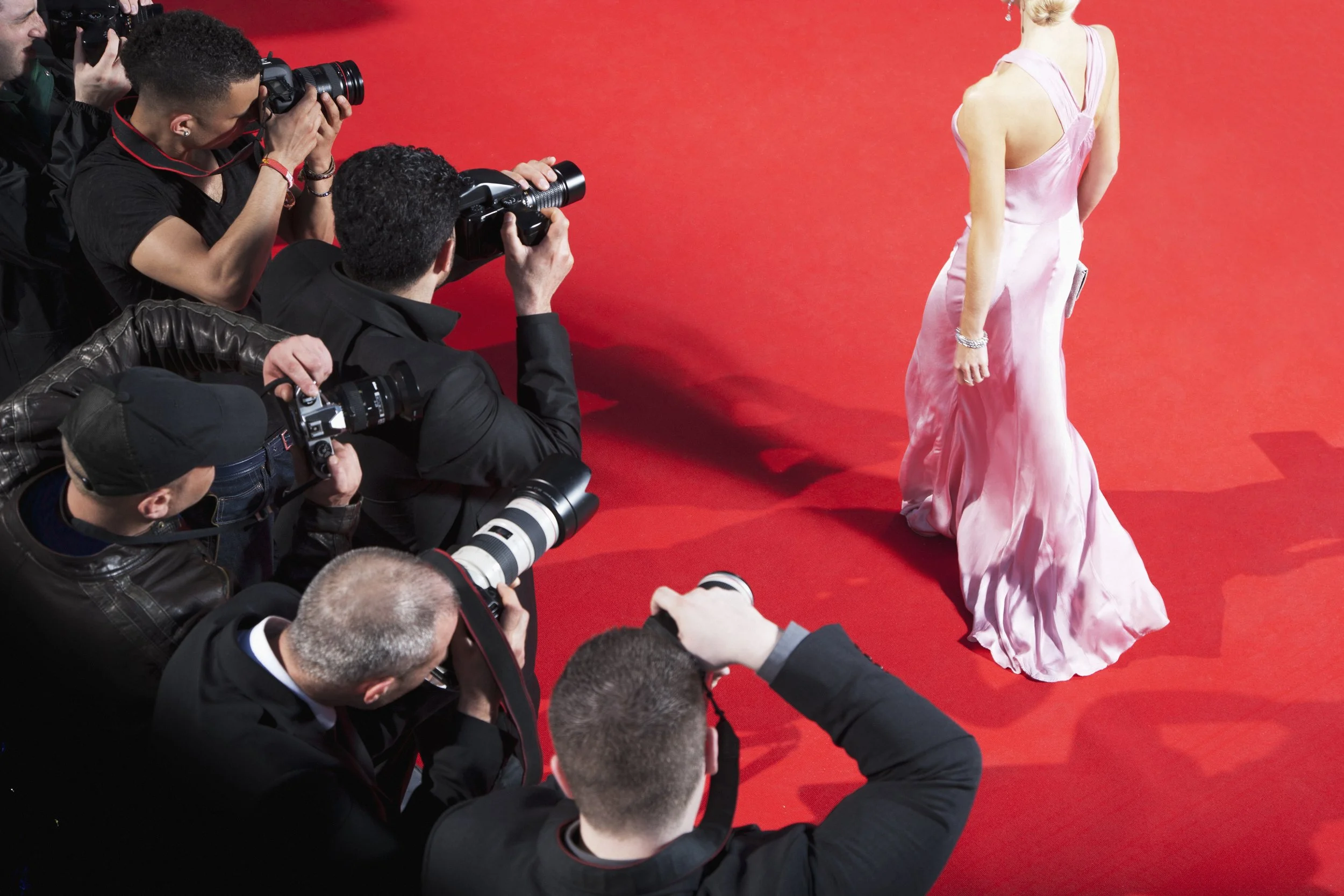
When a look becomes associated with wealth and celebrity, it acquires an aspirational quality that no amount of clinical good sense can easily displace.
Practitioners who found themselves fielding requests to replicate those looks faced a choice between clinical integrity and commercial convenience. Not all of them chose integrity.
When Everyone Starts to Look the Same
The ideal face promoted by celebrity and amplified by social media has become narrower and less diverse with each passing year. Certain features are elevated; others quietly diminished. At its most extreme, heavily treated faces begin to converge — the same proportions, the same features, the same look, regardless of the person beneath.
Aesthetic medicine at its best helps individuals look like the best version of themselves. When it instead steers people towards a culturally dominant template, it has lost its clinical purpose and become something closer to a manufacturing process.
The current moment
Something interesting is happening. A growing number of public figures are speaking openly about reversing previous treatment, dissolving filler, and advocating for a more natural approach. Some appear genuinely convinced. Others suggest that the natural look is simply the new aesthetic aspiration, as carefully constructed as the heavily treated look it has replaced. The ambiguity is worth sitting with.
A practitioner whose approach changes with celebrity fashion is not practising on clinical principles. They are following a market.
At the Cosmetic Doctors Company in Esher, Surrey we are committed to achieving effective, subtle results - the less is more approach.
A marriage worth renegotiating
The normalisation of treatment and the removal of stigma have been genuinely positive. The uncritical adoption of celebrity aesthetic ideals as clinical goals has not. What can change is the terms on which the industry engages with celebrity culture; accepting its benefits while maintaining the clinical independence to push back against the aspects that have not served patients well.
That requires practitioners confident enough in their own values to resist the pull of trend, and honest enough to tell patients when their aspirations are being shaped by forces that are not acting in their interest. It is, in the end, the same standard good medicine has always required.
If you are considering treatment
A consultation is your appropriate first step, allowing you to make a fully informed decision without any pressure.
To Book a Consultation :
If you would like to explore any of our curated range of services, we would be pleased to arrange a consultation. At the Cosmetic Doctors Company your consultation and any subsequent treatment will always be with one of our expert, medically qualified doctors.
To make a booking with one of our doctors please use the links below to telephone or email or to fill out our contact form click here.