

Clinical Perspectives Blog
A different kind of reading - reflections from our Surrey Clinic
Clinical Perspectives is a little different from the rest of our site. You will not find treatment guides or procedure explainers here. What you will find is a collection of essays and reflections on some of the broader questions that sit behind aesthetic medicine. Some posts will be more detailed examinations of topics from our General Blog.
These pieces are wholly text-based and deliberately unhurried. They are written without the support of imagery because the intention is that the ideas carry the weight, not the presentation. If you are someone who is curious about the quieter, more considered side of aesthetic medicine, we hope you find something here worth returning to.
The views expressed here are Dr Forrester’s personal opinions — formed over 45 years of medical practice and refined through thousands of patient conversations. They do not represent an industry position or a commercial one.

Celebrity Culture and the Aesthetics Industry — A Marriage, For Better or Worse
The aesthetic industry owes a genuine debt to celebrity culture for the normalisation of treatment and the removal of stigma. The acknowledgement should come with a significant caveat. The relationship has never been straightforward — and its influence on patient expectations has been considerable and largely negative.

Do Oral Collagen Supplements Actually Work? An Honest Clinical Assessment
The most fundamental criticism of oral collagen supplementation has always been the absorption question. The traditional sceptical argument has been that what reaches the bloodstream is simply amino acid building material, no different from eating a piece of chicken. The science has moved on — but the picture is considerably more complicated than the supplement industry acknowledges.

Beauty Standards — Where They Come From and Whether We Should Trust Them
Beauty standards feel instinctive — but they are produced, distributed, and reinforced by identifiable commercial forces. Here is why understanding that matters in aesthetic medicine, and what it means for the consultation room.
Why Aesthetic Medicine Has Failed the Male Patient
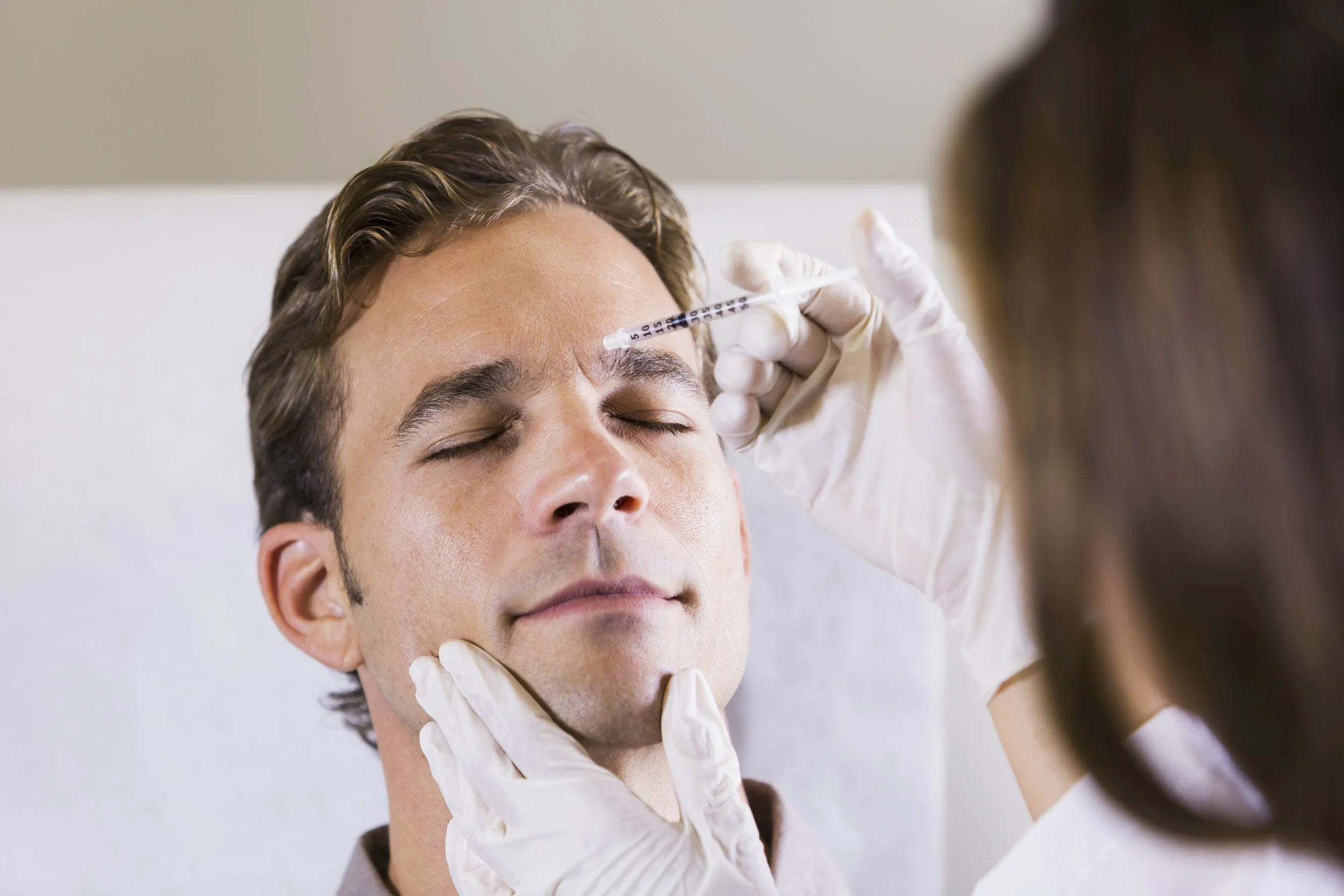
The gap between male interest and male treatment is not a reflection of need. It is a reflection of failure; a failure of the industry to create an environment in which male patients feel understood, respected, and properly served.

The Architecture of Healthy Skin — and What Happens to It Over Time
Skin is the body's largest organ, and its complexity is frequently underestimated. What appears from the outside as a simple surface is, at a microscopic level, an extraordinarily organised biological system. Understanding that architecture is the starting point for understanding why it ages the way it does — and why those changes matter clinically.

The Collagen Stimulation Mechanism — A Deeper Look at How Biostimulatory Treatments Actually Work
Collagen is the most abundant structural protein in the human body, accounting for approximately 75% of the dry weight of skin. From the third decade of life onwards, its production declines at approximately 1% per year. Understanding how biostimulatory treatments reverse that process, and the precise biological mechanisms by which they do so, is not merely academic. It informs better clinical decisions, more honest patient conversations, and a more rigorous approach to treatment planning.

Why Before-and-After Photography Is Both Useful and Dangerous
There is no more powerful marketing tool in aesthetic medicine than the before-and-after photograph. Two images, side by side, apparently telling a simple and compelling story. It is persuasive precisely because it appears to be objective. And yet the before-and-after photograph, as it is routinely used in our industry, is one of the least objective things imaginable.

What If Fighting Facial Ageing Is the Wrong Goal Altogether?
There is a word that appears constantly in aesthetic medicine — in clinic brochures, on social media, in the questions patients ask when they first sit down with us. That word is "fight." Fight the signs of ageing. Fight wrinkles. Fight time. We understand the impulse. But we have come to believe that fighting is not quite the right frame for what good aesthetic medicine does.

The Wild West at the Heart of UK Aesthetics — And Why Nobody Seems to Be Doing Anything About It
In the United Kingdom, there is currently no law preventing a person with no medical training whatsoever from purchasing dermal fillers and injecting them into a patient's face. No qualification is required. No registration is necessary. No insurance is mandatory. A treatment that carries genuine clinical risk can be legally performed by someone whose only preparation was a YouTube video and an internet order.
The Relationship Between Confidence and How We See Our Faces
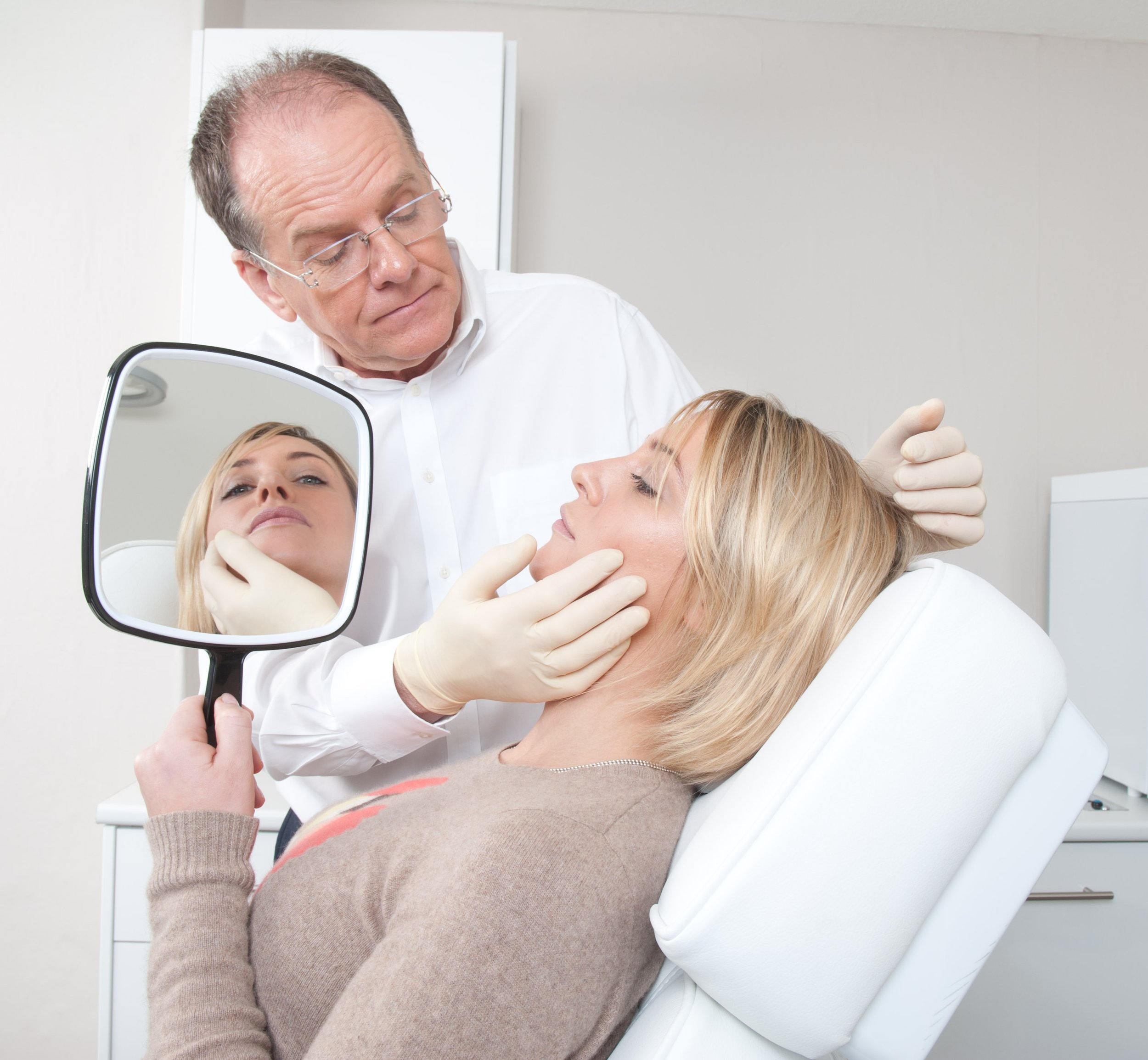
Why the connection between appearance and self-perception is more nuanced than the aesthetic industry often acknowledges — and what it means for how we approach treatment.

How to Manage Expectations During an Aesthetic Consultation - and Why That's Our Job as Well as Yours
Honest conversations about what treatment can and cannot achieve are not a disclaimer. They are the foundation of every good outcome.

The Art of Doing Less — Why Restraint In Aesthetic Medicine Is a Clinical Skill
Why Restraint In Aesthetic Medicine Is a Clinical Skill. That skill is manifest by showing an ability to look at a face, understand fully what could be done, and make a considered judgement about what should be done - and in what measure, - and occasionally what should not be done.