Are Polynucleotides Any Good for the Under-Eye Area?
Yes - the under-eye area is currently one of the most common areas we treat with polynucleotides at the Cosmetic Doctors Company.
There is a straightforward clinical reason for that. The skin beneath the eyes is among the thinnest and most delicate on the face, and that delicacy significantly limits which treatments can safely be used there. Polynucleotides are one of the few injectable options genuinely well suited to this area.
Why Is the Under-Eye Area So Difficult to Treat?
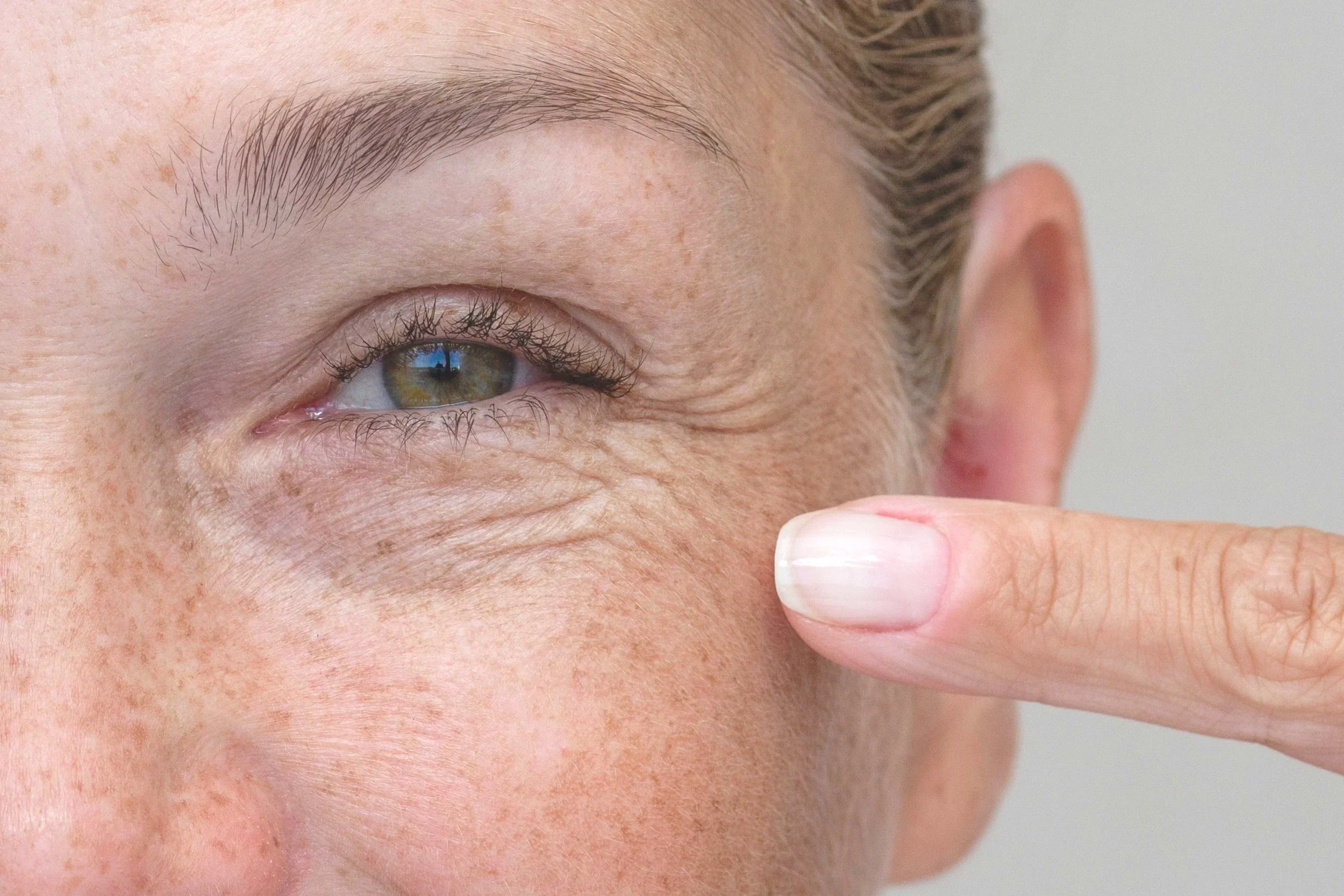
The skin beneath the lower eyelid is thinner, more mobile, and less forgiving than skin elsewhere on the face.
Treatments such as dermal fillers, energy-based devices and more aggressive resurfacing might work well in other areas , but carry higher risks in this area or simply aren't appropriate for lower eyelid skin.
That problem, most commonly, is crepey skin texture. The fine, tissue-paper quality that develops beneath the eyes with age is caused by collagen loss, reduced elasticity, and cumulative sun exposure in an area under particular mechanical stress. It is one of the features patients notice earliest and find most difficult to address, precisely because the treatment options are so limited.
What Do Polynucleotides Do in This Area?
Polynucleotides support the skin's own repair and regenerative processes by stimulating fibroblast activity, improving hydration at a cellular level, and gradually restoring elasticity and resilience. In the under-eye area, where the goal is improved skin quality rather than volume replacement or structural change, that mechanism is well matched to the problem.
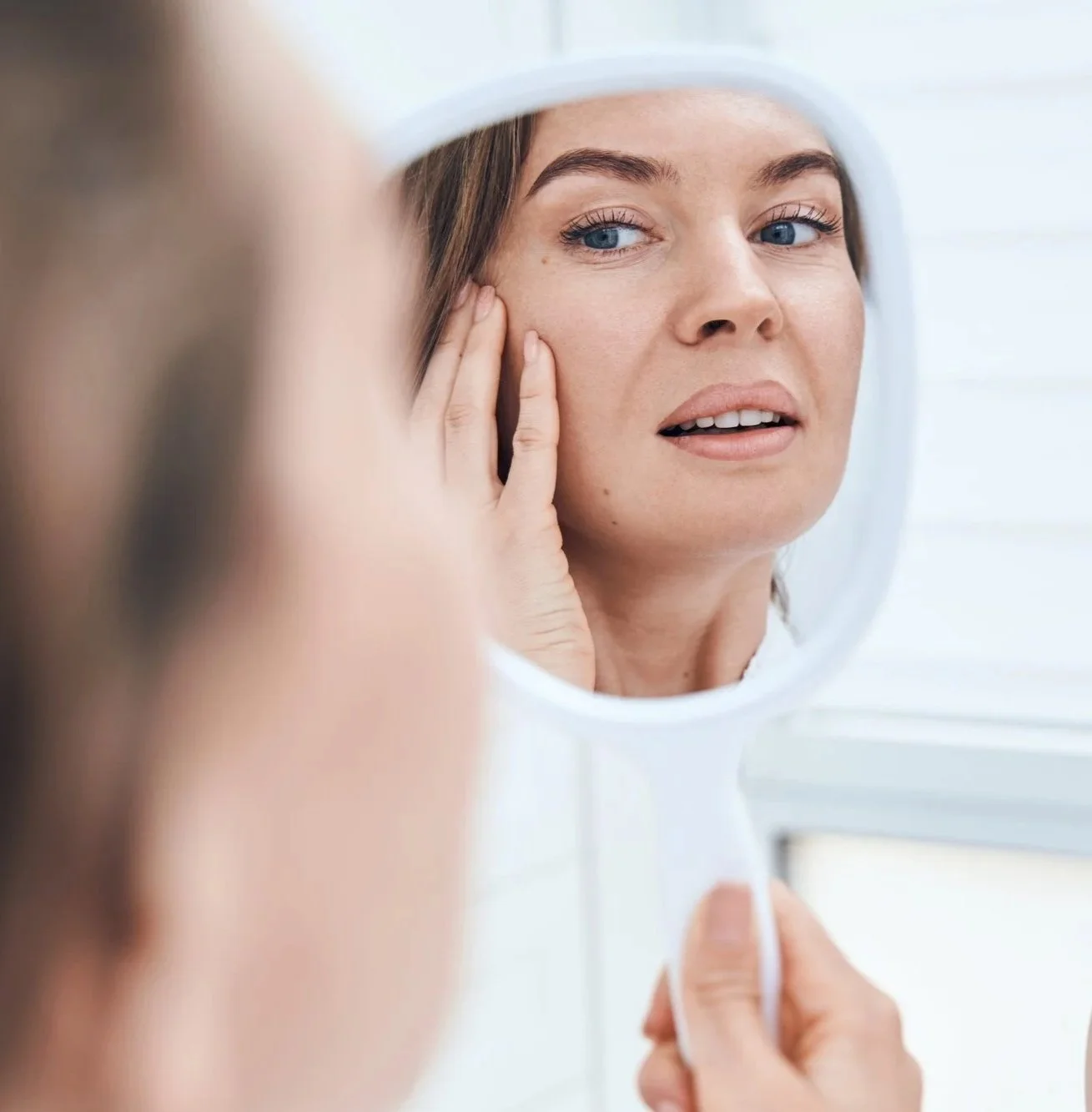
Results are gradual rather than immediate. Most patients notice progressive improvement in skin texture and quality, a reduction in the crepey appearance, a fresher and less fatigued look, developing over weeks and months following a course of treatment.
Beyond the Under-Eye Area — Accordion Lines and the Neck
Two related areas follow the same clinical logic. The fine superficial lines that appear on the mid-cheek when smiling, often referred to as accordion lines, respond well to polynucleotides for the same reasons as the under-eye skin. These are lines of skin quality rather than volume or structure, and polynucleotides offer one of the more appropriate options currently available.
The neck is another useful area, though here we tend to use polynucleotides in conjunction with other regenerative treatments, for example Profhilo, dilute Radiesse, or Sculptra, rather than as a standalone approach. The neck typically benefits from a combination strategy, with polynucleotides contributing the superficial skin quality component.
Read more about polynucleotides.
What Should I Realistically Expect?
For patients whose primary concern is the crepey, tired quality of the skin beneath the eyes and who understand that results will develop slowly and remain understated, polynucleotides are a treatment we recommend with genuine confidence.
They are not the right choice for dark circles caused by pigmentation or vascular issues, significant hollowing better addressed with careful filler placement, or deeper structural changes requiring a different approach. Establishing which category applies to you is precisely what a consultation is for.
At the Cosmetic Doctors Company we believe that good treatment begins with a consultation. Your consultation and any subsequent treatment will always be with one of our medically qualified doctors.
To arrange a consultation please telephone, email, or complete our contact form.