

Clinical Perspectives Blog
A different kind of reading - reflections from our Surrey Clinic
Clinical Perspectives is a little different from the rest of our site. You will not find treatment guides or procedure explainers here. What you will find is a collection of essays and reflections on some of the broader questions that sit behind aesthetic medicine. Some posts will be more detailed examinations of topics from our General Blog.
These pieces are wholly text-based and deliberately unhurried. They are written without the support of imagery because the intention is that the ideas carry the weight, not the presentation. If you are someone who is curious about the quieter, more considered side of aesthetic medicine, we hope you find something here worth returning to.
The views expressed here are Dr Forrester’s personal opinions — formed over 45 years of medical practice and refined through thousands of patient conversations. They do not represent an industry position or a commercial one.

What Does the Science Actually Say About Regenerative Medicine in Aesthetic Practice?
Regenerative medicine, properly understood, refers to interventions that restore, maintain, or enhance the biological processes responsible for tissue repair and renewal. Applied to aesthetic medicine, this distinction has real clinical significance — and it is a distinction that the field does not always make clearly enough. Here is what the science actually says.

Filler-Induced Vascular Occlusion
Filler-induced vascular occlusion is not a theoretical risk. It is a documented, recurring complication that affects practitioners across all experience levels. A practitioner who has the appropriate materials to hand and has rehearsed the management protocol is in a position to act effectively. One who has not is not. The difference in outcome between these two practitioners can be the difference between complete resolution and permanent vision loss.
Botulinum Toxin — The Dose-Response Relationship and What It Means for Clinical Practice
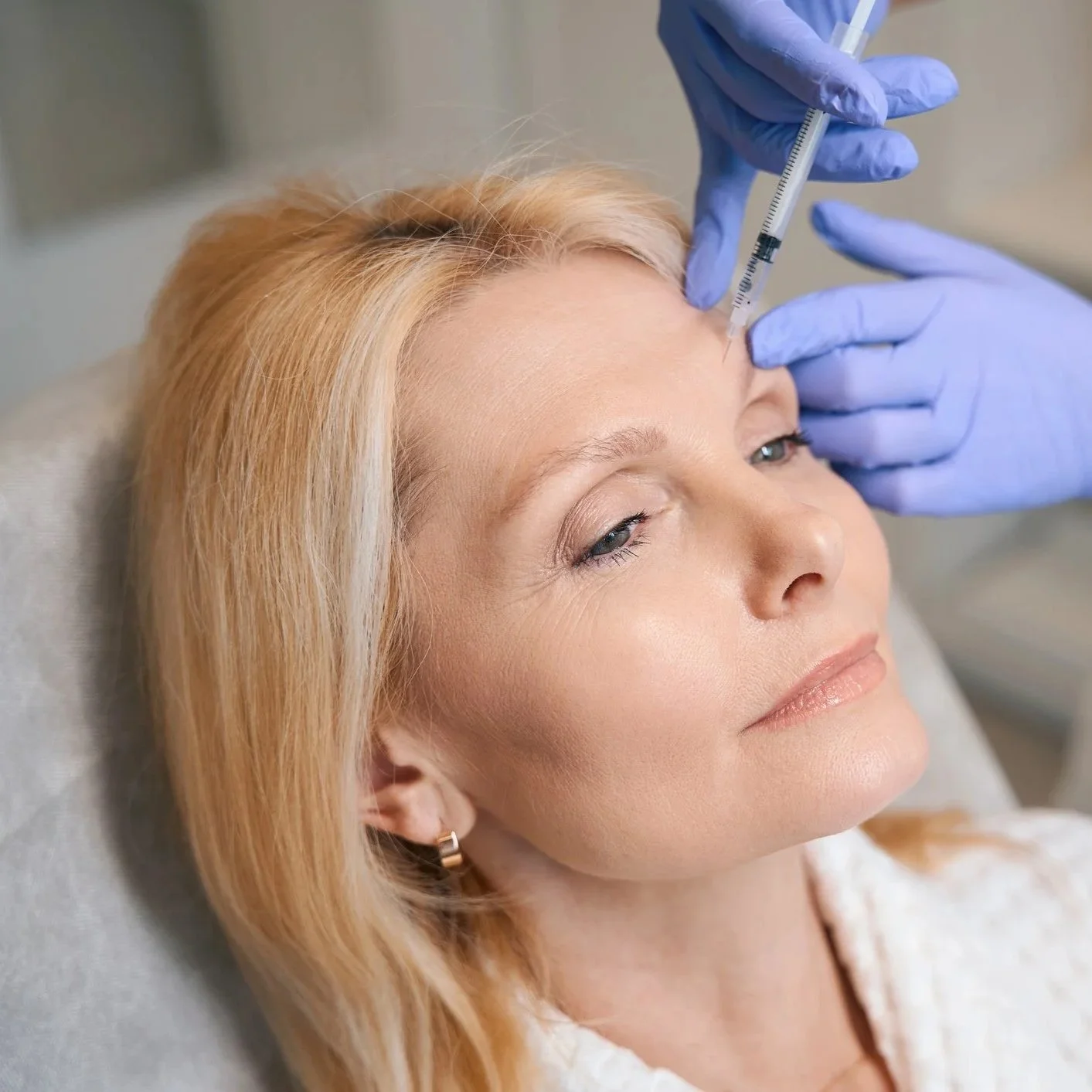
Every prescription medicine has a dose-response relationship. Botulinum toxin is no different. And yet the relationship between dose, effect, and duration in aesthetic practice is rarely discussed with the rigour it deserves — partly because the consequences of under-dosing are commercial rather than immediately harmful. Here is what the evidence says.

Why Botox Treatments Last Longer Over Time
Any practitioner who has treated the same patients with botulinum toxin over a number of years will have noticed the pattern. Early in treatment, results last three to four months. Over time, the interval extends. The effect is real, consistent, and well recognised in clinical practice. What deserves more attention is why it happens — and one of the proposed mechanisms has been sitting in plain clinical sight for twenty years.

What a Toxin Scientist Taught Us About Botulinum Toxin
Professor Andy Pickett is not a clinician. He has never injected a patient. But for thirty years he has done something the aesthetic industry rarely welcomes — applying rigorous evidence to its most widely used treatment and challenging the myths that have accumulated around it. Here is what he found.

In The UK Why Do We Have 140 licensed Dermal Fillers Whereas there are only 25 in the USA ?
Over 140 dermal fillers are CE-marked for use in the European market. The United States has fewer than 25 FDA-approved products. That disparity is not a reflection of greater European innovation. It is a reflection of fundamentally different regulatory philosophies — and understanding those philosophies has genuine clinical implications for every practitioner working in UK aesthetic medicine.

How Can Anti-wrinkle Injections Be The Safest Treatment in Aesthetic Medicine - And Yet Paradoxically the Most Dangerous ?
Approximately 8 million cosmetic botulinum toxin procedures are performed worldwide every year. In over three decades of licensed cosmetic use, the treatment has never caused a single confirmed death. In counterfeit and unlicensed use, patients have required mechanical ventilation. The difference is not the molecule. It is everything that surrounds it.

Zein Obagi - Our Skin Hero
Zein Obagi spent two years as what he called an "aesthetic detective" before developing the Nu-Derm System in 1985 — a physician-dispensed skin transformation protocol that brought tretinoin into mainstream cosmeceutical practice and established a template the entire subsequent industry has followed. This is his story.
The Patient Who Arrives With Someone Else's Photograph
The patient sits down, reaches for their phone, and turns the screen towards you. On it is a photograph — a celebrity, an influencer, a stranger encountered on Instagram — and the request is clear: I would like to look like this. It is one of the most common moments in aesthetic practice. It is also one of the most clinically significant — and what happens next matters more than most practitioners acknowledge.

The Gut-Skin Axis
The idea that gut health influences skin health is not new. What is new is the mechanistic understanding of how these connections work — and the growing evidence that the gut microbiome influences not just specific skin diseases but skin health, skin ageing, and skin barrier function in a more general and clinically significant way.

Can Skin Sun-Damage Be Reversed?
The clinical conversation about photodamage has historically been dominated by prevention. What has received considerably less honest clinical attention is what can be done for damage already accumulated. The answer is more encouraging than most patients are told — and more nuanced than the aesthetic industry's marketing tends to acknowledge.

UV Radiation, Skin Damage, and the Case for Serious Sun Protection
If a patient asked us to identify the single intervention with the greatest evidence base for preventing skin ageing, the answer would not be a retinoid or a biostimulator. It would be daily, broad-spectrum, high-factor sun protection — applied consistently, without exception, regardless of weather or season. Everything else in a skincare regimen is built on that foundation.

Do Facial Aesthetics Improve Psychological Wellbeing ?
Aesthetic medicine has historically been uncomfortable with its psychological dimension — presenting itself in purely physical terms as though the motivation behind treatment were irrelevant to the clinical picture. It is not. The evidence that appropriate treatment improves psychological wellbeing in suitable patients is real. So is the evidence that it cannot resolve deeper psychological distress. Both deserve to be examined honestly.

Does Drinking More Water Actually Hydrate Your Skin?
The degree of dehydration required to produce visible skin changes is pathological. It represents a fluid deficit that would, in any otherwise healthy person, produce intense thirst long before the skin showed any observable change. The hand turgor test is a tool for assessing clinically unwell patients — not a guide to the skincare habits of the well.
Microneedling — Does It Still Have a Place?
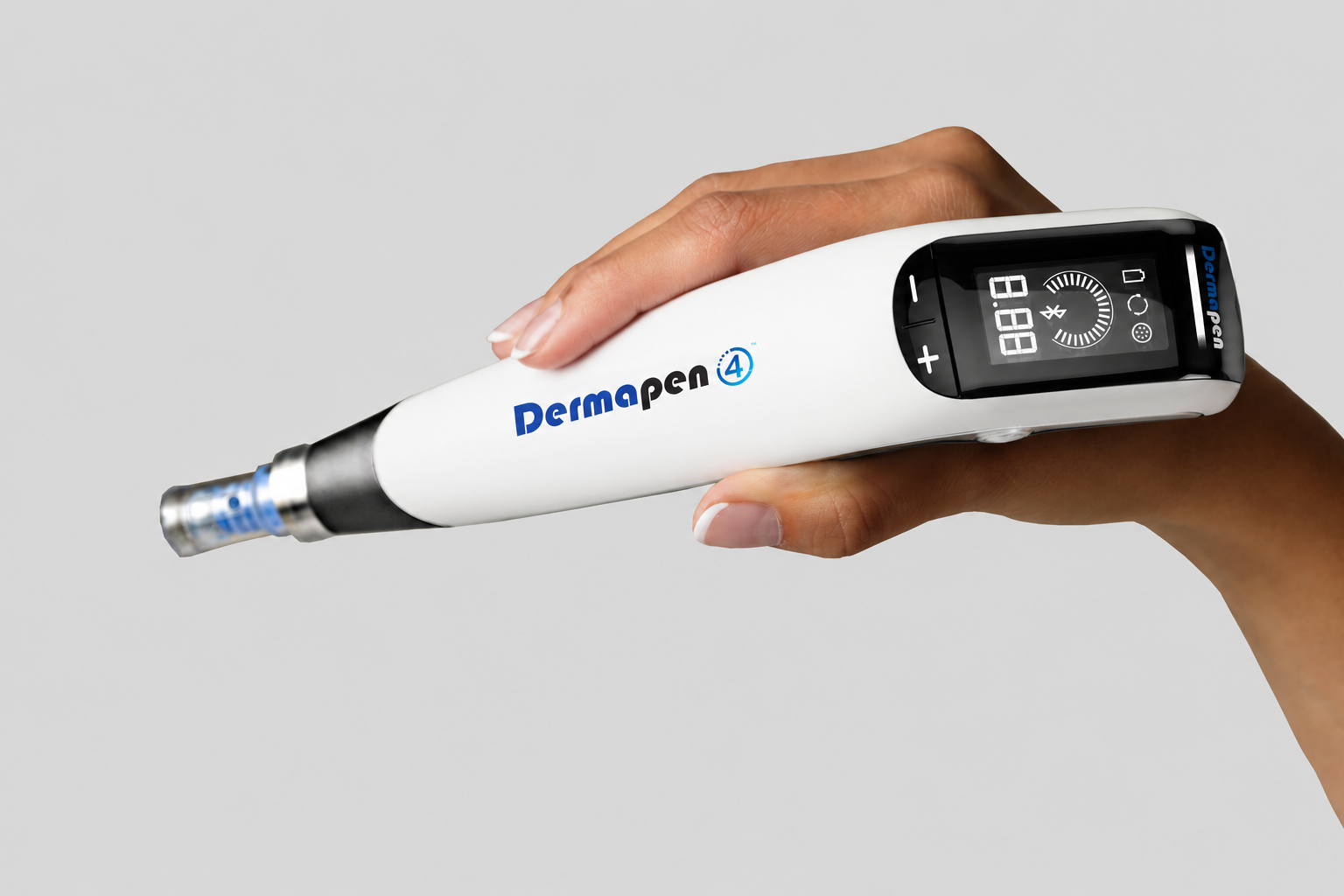
Microneedling is frequently presented as a relatively recent innovation. In fact, the concept of using controlled skin injury to stimulate collagen production predates most of the treatments that now share its clinical space. The modern dermaroller was developed in the mid-1990s by Dr. Desmond Fernandes, a South African plastic surgeon, whose clinical observations have since been characterised in considerable scientific detail. Here is an honest account of what the evidence actually says.
The Trendy Topicals — Growth Factors, Exosomes, Peptides, NAD, PDRN, and the Rest
Before examining any topical ingredient on its own terms, there is a prior question the industry consistently fails to ask loudly enough. Does it penetrate the skin barrier in a biologically active form, in sufficient concentration, to reach the tissue where it is supposed to act? That question is the lens through which everything that follows should be read.
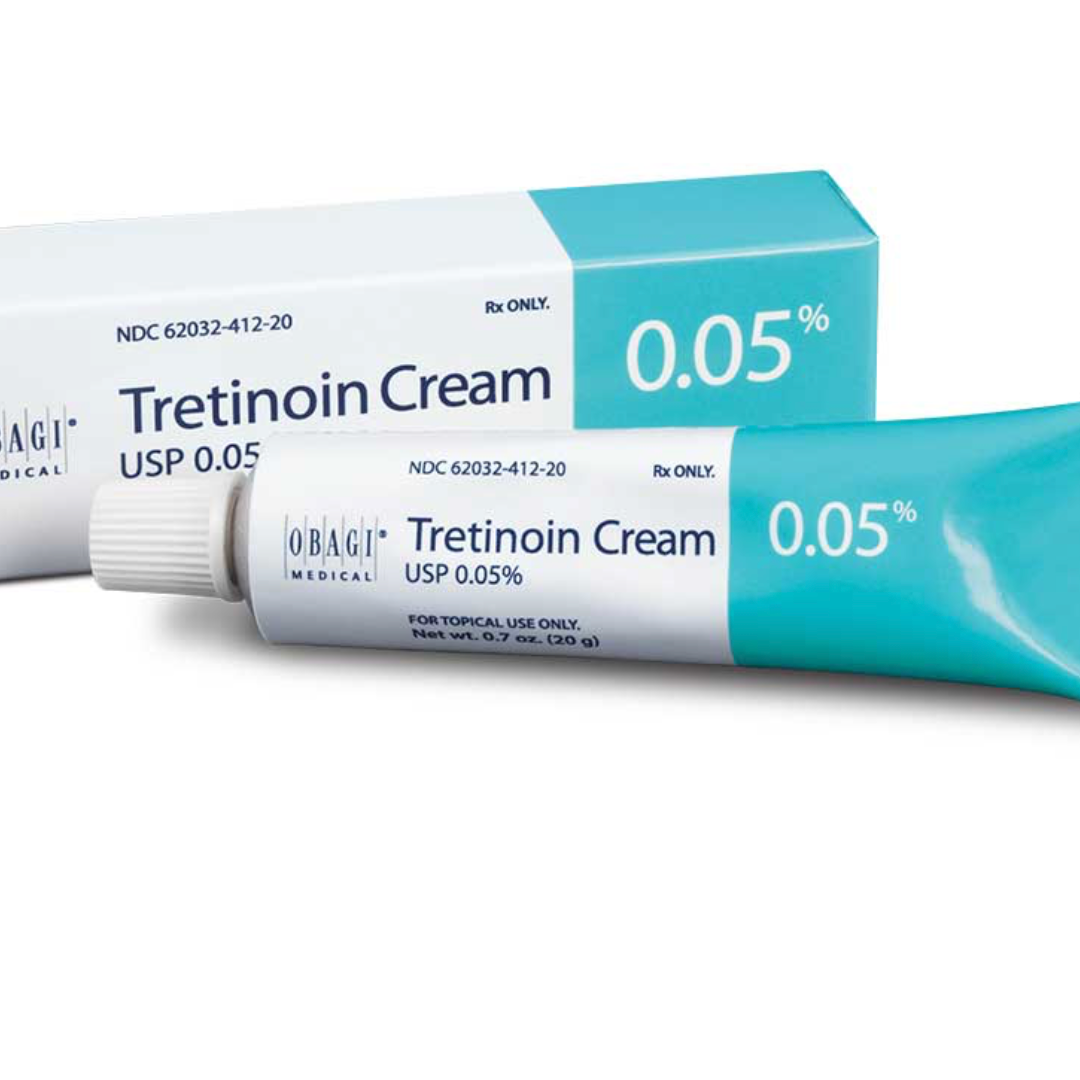
Retinoids — The Gold Standard Face Cream That Nothing Has Yet Replaced
No topical skincare ingredient has been studied as thoroughly, over as long a period, or with as consistently positive results as retinoic acid and its derivatives. When a patient asks whether a new topical ingredient might be as effective as their retinoid, the honest answer almost always begins with an acknowledgement that nothing has had the time, the research investment, or the clinical validation to make that comparison confidently.

The Skin Barrier — What It Is, What It Does, What Disrupts It, and How to Strengthen It
The phrase "skin barrier" has entered mainstream skincare vocabulary to the point where it has begun to lose its meaning. This piece is about the barrier in precise clinical terms: what structures comprise it, what they do, what causes them to fail, and what the evidence says about restoring them. Understanding it at this level is not merely academic. It informs every clinical decision about topical treatment.

The “Ozempic” Face After Significant Weight Loss
The patient who has lost significant weight has typically worked hard to do so. The body looks better. And then they look at their face. What they see is not always what they expected — a face that looks older, more gaunt, more depleted than it did before. This is a predictable and increasingly well-documented consequence of significant and rapid weight loss. It deserves to be understood clinically with the same seriousness as the weight loss itself.

Growing Old in Public - The Particular Pressures Faced by Women Whose Appearance Is Part of Their Professional Identity
A subset of consultations feels different from the moment the patient sits down. She is a barrister, a senior executive, a television presenter. Her appearance is not merely something she thinks about in the mirror. It is something presented to the world professionally, assessed in contexts that carry real consequences, and evaluated against a standard that would not apply to a male colleague in an equivalent position.