
Polynucleotides are a relatively recent addition to mainstream aesthetic practice, and the truthful answer to how long results last reflects that fact.
The evidence base is still developing, and clinical experience, while encouraging, is not yet sufficient to make definitive long-term claims with confidence. What we can offer is an informed and candid account of what we are currently seeing.
What Does the Published Literature Suggest?

The scientific literature on polynucleotide longevity generally cites a duration of six to twelve months following a completed course of treatment.
That range reflects genuine variability between patients, in skin type, age, lifestyle, the areas treated, and individual biological response, rather than imprecision in the research. Results do not switch off abruptly; they fade gradually, which means the point at which a patient notices improvement diminishing varies considerably.
What Are We Seeing in Clinical Practice?
Our own clinical experience is consistent with the published range, though it is important to be clear that we are still in the relatively early stages of observing long-term outcomes in our patient cohort.
A useful illustration: a patient who completed three polynucleotide sessions through last autumn returned recently, several months after her final treatment, still showing clear signs of improvement, and requiring only a single maintenance session rather than a full repeat course.
That pattern is encouraging. It suggests that for patients who complete a proper course of treatment, meaningful benefit can persist for somewhere in the region of six to nine months, with residual improvement potentially extending beyond that.
It also illustrates something practically useful: maintenance treatment, when it is needed, typically requires less than the original course. The biological groundwork laid by the initial sessions does not disappear entirely, and building on an existing foundation is a different proposition from starting from scratch.
What Affects How Long Results Last?
Several factors influence duration, and they are worth understanding before beginning treatment.
The number of sessions completed matters. A full course of two to three treatments produces a more sustained result than a single session.
Individual biology plays a significant role. Patients with better baseline skin quality, those who protect their skin from UV exposure, and those who support their skin with evidence-based topical treatments tend to maintain results for longer. Lifestyle factors, smoking in particular, influence collagen quality and skin resilience in ways that affect how well and how long any regenerative treatment performs.
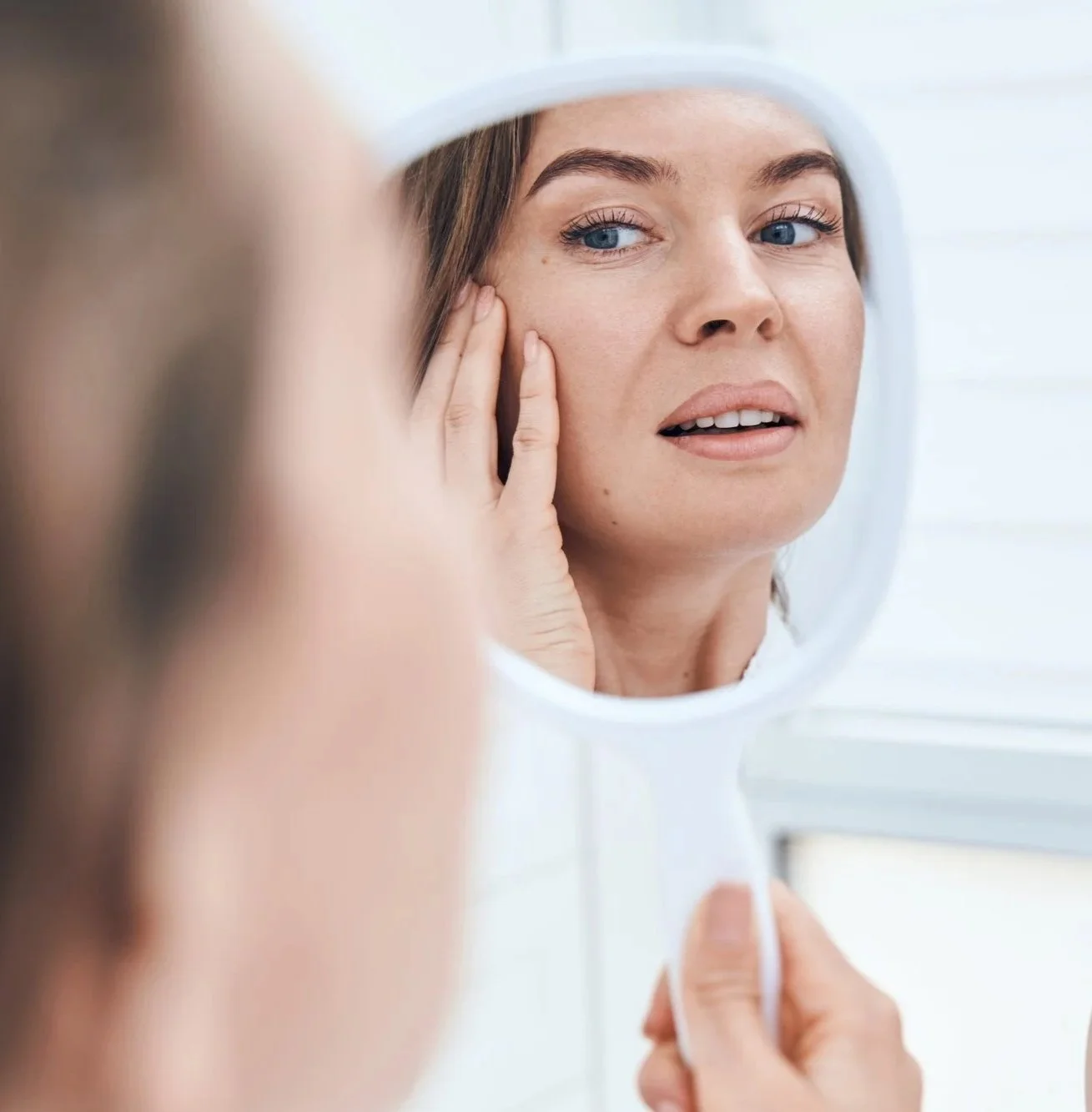
The area treated is also relevant. The under-eye area and other delicate zones where polynucleotides are particularly indicated may behave differently from thicker facial skin, though the clinical picture on this is still emerging.
When Would Maintenance Treatment Be Appropriate?
Most patients find that a single maintenance session, timed as improvement begins to soften rather than waiting for results to disappear entirely, is sufficient to sustain the benefit of the original course. The interval at which that becomes appropriate varies by individual, but six to nine months after completing the initial course is a reasonable working guide based on current experience.
As our patient cohort matures and longer-term follow-up accumulates, we will update our guidance accordingly. That commitment to evidence-based assessment is something we take seriously and it is reflected in how we discuss this treatment at every consultation.
For more on what a course of polynucleotide treatment involves see Who Is a Good Candidate for Polynucleotide Treatment?
Your Next Step
A consultation is where good treatment begins. There will no obligation to proceed. The aim is to provide information and clarity, not pressure to have a treatment. All our consultations and treatments are performed by our team of expert medical doctors. For further information see our Polynucleotide page.
To arrange a consultation please use the links below to telephone or email or to fill out our contact form click here.