Polynucleotides
Polynucleotide Treatment in Surrey
Regenerative Skin Quality Improvement
Polynucleotides are an injectable regenerative treatment designed to support skin repair, improve hydration, and gradually restore a fresher, healthier quality to the skin. Rather than adding volume or reshaping features, they work at a biological level, supporting the skin's own repair processes from within.
At the Cosmetic Doctors Company in Surrey, polynucleotides have become a valued part of our regenerative approach to aesthetic medicine. Clinical experience with this treatment has grown considerably, recently and results are increasingly encouraging.
If you are considering any of our carefully selected treatments then a consultation is where good treatment begins. There will no obligation to proceed. The aim is to provide information and clarity, not pressure to have a treatment. All our consultations and treatments are performed by our team of expert medical doctors. To arrange a consultation please telephone, email, or complete our contact form.
What Are Polynucleotides?
Polynucleotides are purified DNA-derived molecules that interact with the skin's cellular repair mechanisms. In aesthetic practice they are used to improve hydration, elasticity, texture, and overall skin resilience — qualities that diminish with age and that topical skincare alone cannot fully restore.
What Areas Can Be Treated?
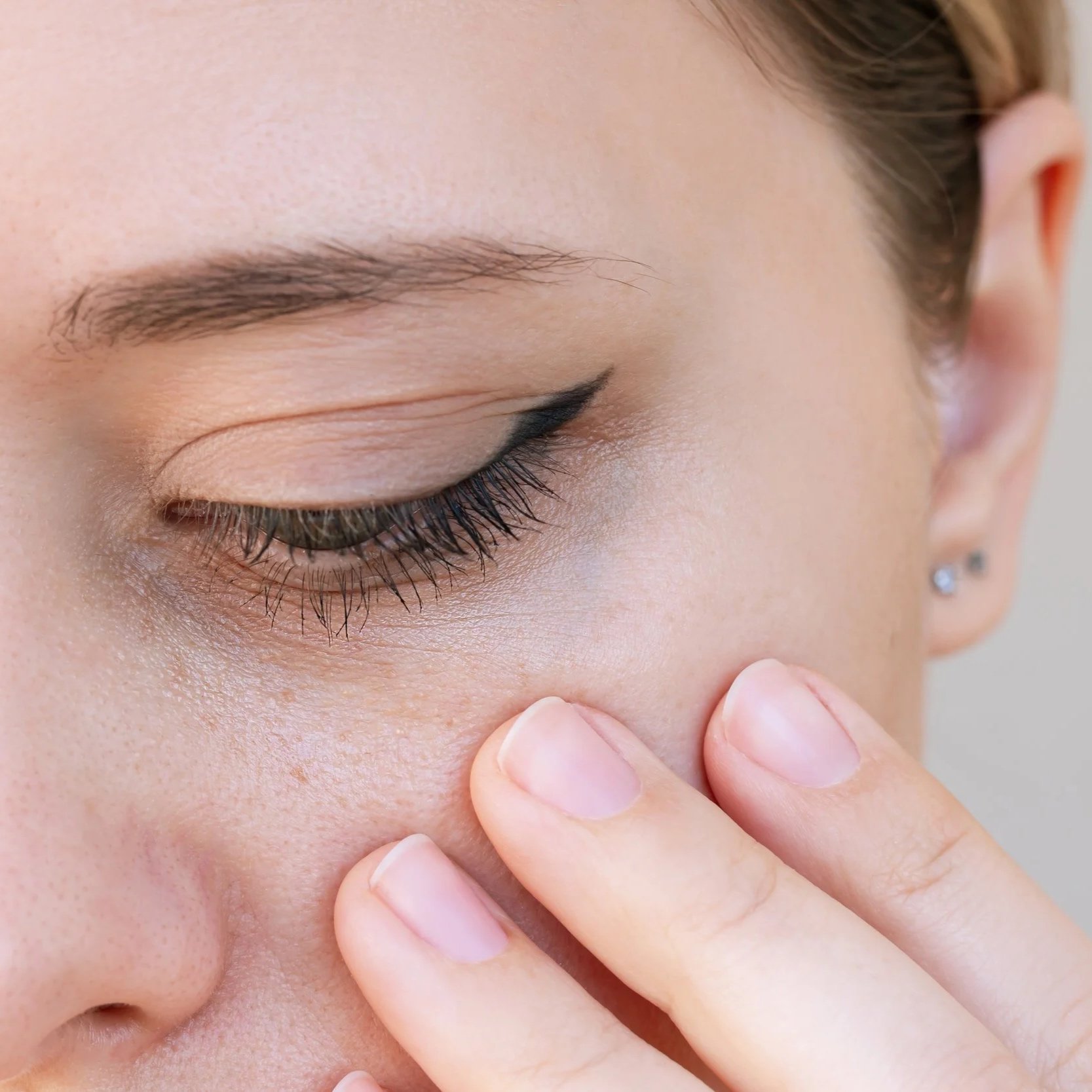
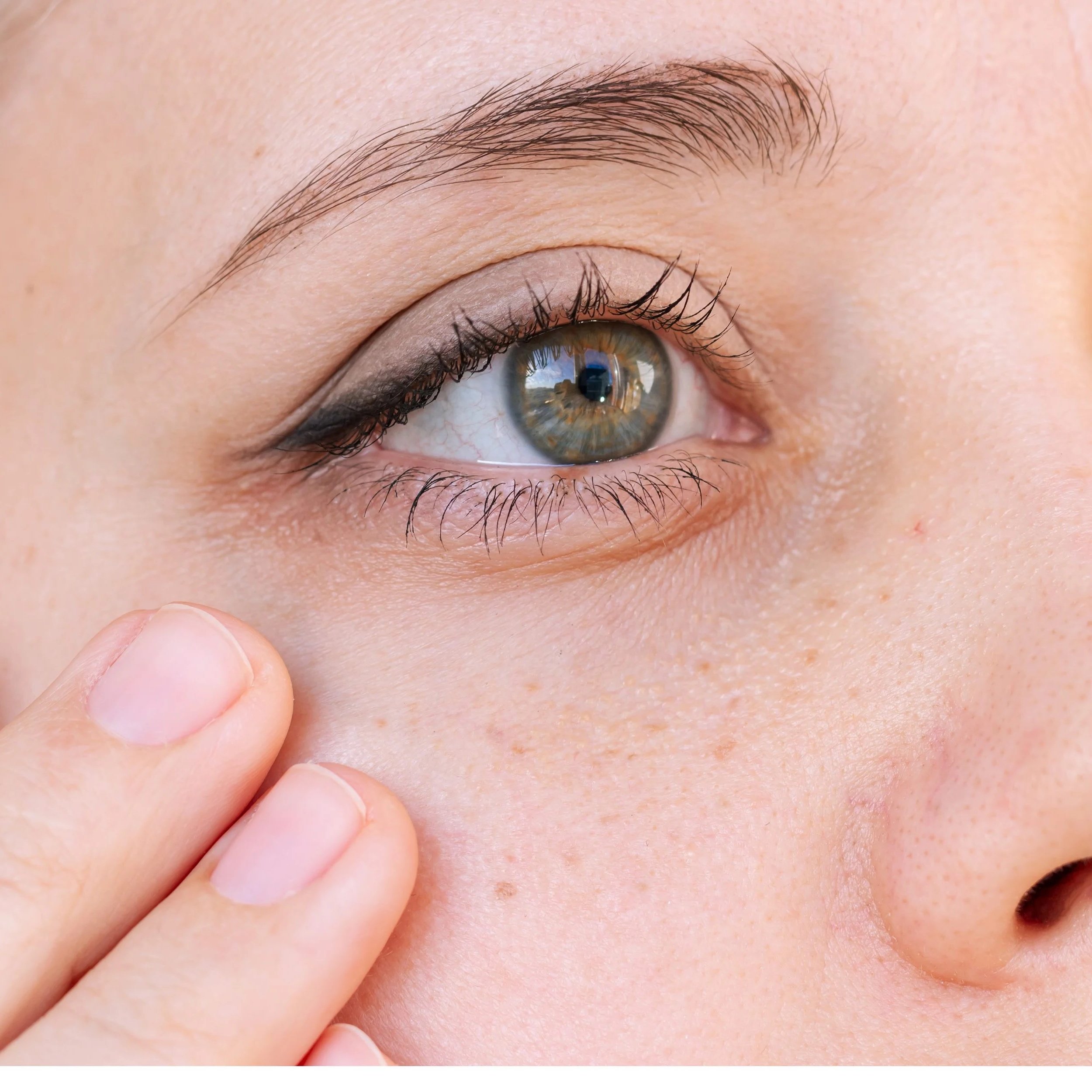
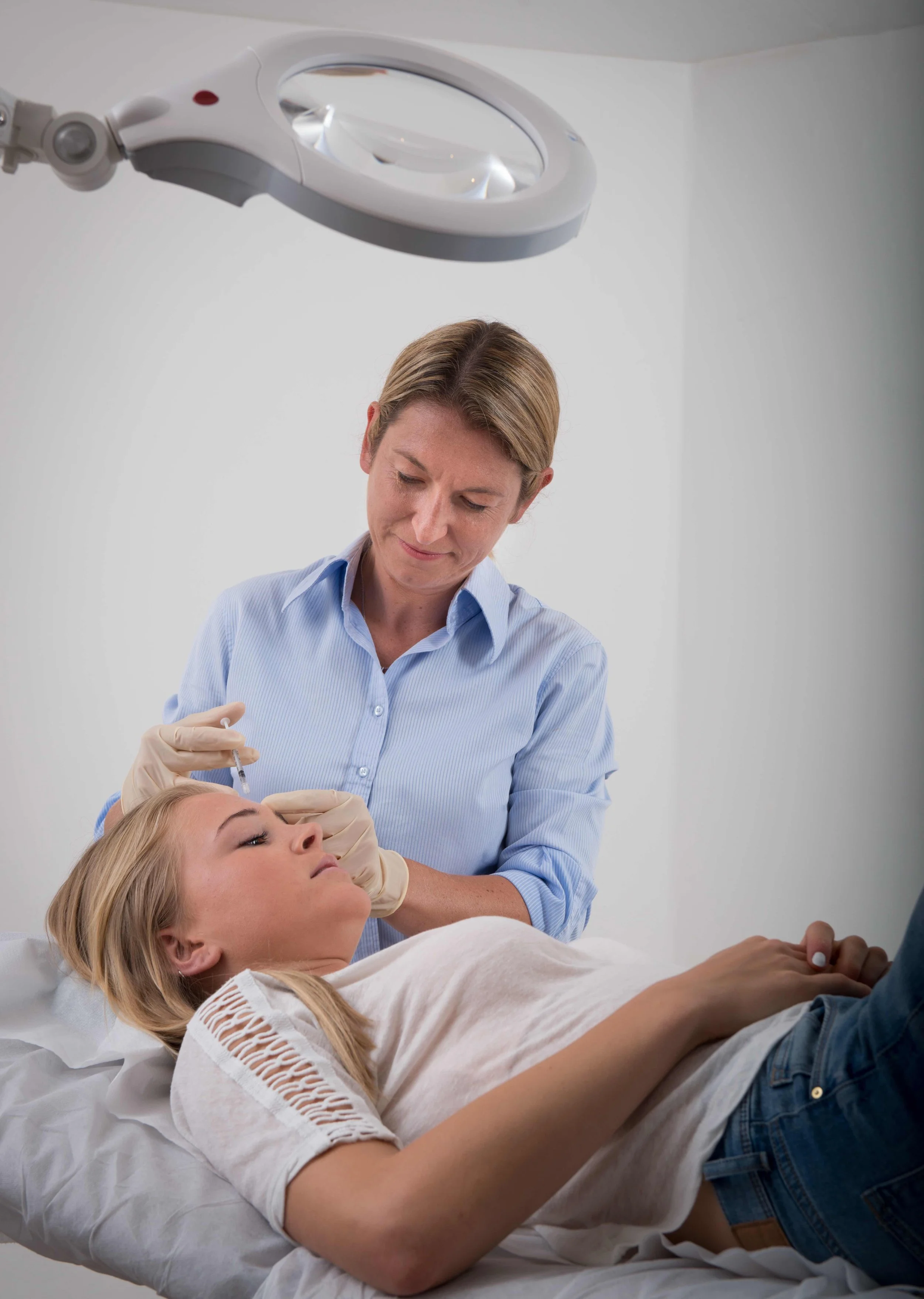
Polynucleotide treatments are most commonly used on the face and neck. They are particularly well suited to areas where a gentle, regenerative approach is preferable to more aggressive intervention; the under-eye area being a good example, where the delicacy of the tissue limits the use of many other treatments.
Who Is This Treatment Suitable For?
Polynucleotides tend to suit patients who want to address skin quality rather than volume or structure — those noticing that their skin looks tired, fragile, or lacking its former resilience, and who prefer gradual, natural-looking improvement over immediate or obvious change. They are also increasingly used alongside other treatments as part of a broader regenerative programme.
What Results Can I Expect?
Results are gradual and understated rather than immediate or dramatic. Most patients notice progressive improvement in skin texture, hydration, and overall freshness over the weeks and months following treatment. Polynucleotides are not primarily intended to replace volume, contour features, or produce significant lift — where those are the priority, treatments such as dermal fillers or Sculptra are likely to be more appropriate.
As polynucleotide treatments are still relatively new in aesthetic medicine and the long-term picture continues to develop. This is something we will discuss openly at your consultation.
What Does a Course of Treatment Involve?
A standard course involves two to three sessions at four-week intervals, following an initial consultation of around 45 to 60 minutes. Each treatment session takes a similar amount of time. Improvement develops gradually after the course is complete, and a review appointment allows us to assess whether maintenance treatment is appropriate.
Common Questions Patients Ask
Are polynucleotides safe?
Yes, when administered by an appropriately trained and experienced practitioner. Temporary redness, swelling, bruising, or tenderness may occur following treatment. Serious complications are uncommon.
Do polynucleotides hurt?
Discomfort is generally mild. The needles used are fine, and most patients tolerate the treatment well. This is something we discuss and manage at your appointment.
Are they good for the under-eye area?
Yes, this is one of the areas where polynucleotides are particularly well suited, precisely because the delicacy of the tissue makes many other treatments less appropriate.
How long do results last?
The evidence on long-term duration is still developing, as polynucleotides are a relatively recent addition to aesthetic practice. Current clinical experience suggests results are maintained for several months following a course of treatment, with maintenance sessions extending that further.
Taking the First Step
If you are considering polynucleotide treatment, a consultation is the appropriate starting point. This will afford an opportunity to assess your skin, discuss your concerns, and establish whether this is the right treatment for you, without any pressure.
To arrange a consultation please telephone, email, or complete our contact form.
Further Information and Expert Guidance on Polynucleotide Treatments