
What Are Polynucleotides and How Do They Work?
Polynucleotides are becoming one of the most talked-about treatments in aesthetic medicine.
Many patients have heard the name, often through social media or word of mouth, but are less clear on what they actually are or what they realistically achieve.
Unlike treatments designed primarily to add volume or reshape features, polynucleotides are generally used to support skin quality, tissue repair and regenerative improvement.
At the Cosmetic Doctors Company in Esher, Surrey we believe that understanding how they work is the first step in deciding whether they may be appropriate for you.
What Are Polynucleotides?

Polynucleotides are purified fragments of DNA-derived molecules used to support tissue regeneration and skin quality.
They are used in aesthetic medicine to encourage a healthier skin environment and improve the condition of the treated area over time.
Rather than creating an immediate dramatic change, they are typically used to promote gradual improvement.
At the Cosmetic Doctors Company in Esher, Surrey we now use them as a useful part of a regenerative approach to aesthetic medicine. Read more about Polynucleotides.
How Do Polynucleotides Work?
Polynucleotides are thought to work by supporting the skin’s natural repair processes.
This may help to:
Improve hydration
Support collagen activity
Enhance elasticity
Improve skin texture
Reduce the appearance of tired or fragile skin
The process is gradual, with changes developing over time rather than instantly.
What Areas Are Commonly Treated?
Polynucleotides are often used in areas where skin quality is a priority, including:
Around the eyes
Face
Neck
Décolletage
They are particularly useful in areas where a subtle, regenerative approach is preferred. A good example being the lower eyelid skin beneath the eyes. The delicate nature of this area limits the use of other, more aggressive treatments.
What Results Can Patients Expect?
Results are usually described as:
Fresher-looking skin
Improved texture
Better hydration
Softer, healthier appearance
Subtle rejuvenation
Patients generally notice improvement progressively rather than overnight. This makes them attractive to those who prefer subtle changes and aligns with the less is now more approach.
What Polynucleotides Do Not Usually Do
It is equally important to understand limitations.
Polynucleotides do not typically:
Add facial volume significantly
Sharply contour features
Replace structural support treatments
Produce dramatic instant results
Where volume loss is the main issue, dermal fillers or Sculptra may be more appropriate.
How Are Polynucleotides Different from Profhilo or Sculptra?
Profhilo, polynucleotides and Sculpta are often grouped together as bio-stimulatory treatments. However they are not identical. Broadly speaking:
Polynucleotides:
More regenerative / tissue-support focus
Promotes tissue repair, and improving skin hydration and texture
Often discussed for delicate skin areas, especially around the eyes
Profhilo:
Strongly associated with hydration and skin quality
Diffuse skin remodelling approach
Works more quickly, with results typically visible after two sessions spaced four weeks apart.
Sculptra
Results develop slowly over three to six months and are among the most durable of any non-surgical treatment, lasting up to two years or more
Scientifically proven to increase collagen and elastin.
Best suited to patients thinking in the long term, comfortable with a gradual process, and concerned with diffuse volume loss and declining tissue quality
Your best choice depends on your concerns and treatment goals.
Who Might Polynucleotides Suit?
They may appeal to patients who:
Want subtle, progressive improvement
Feel skin looks tired or fragile
Are concerned about the eye area
Prefer regenerative approaches
Do not want obvious change
Are Polynucleotides Safe?
When used appropriately by experienced practitioners, polynucleotides are generally considered very safe and well tolerated.
As with any injectable treatment, temporary effects such as redness, mild swelling, bruising and tenderness can occur and should be discussed during consultation.
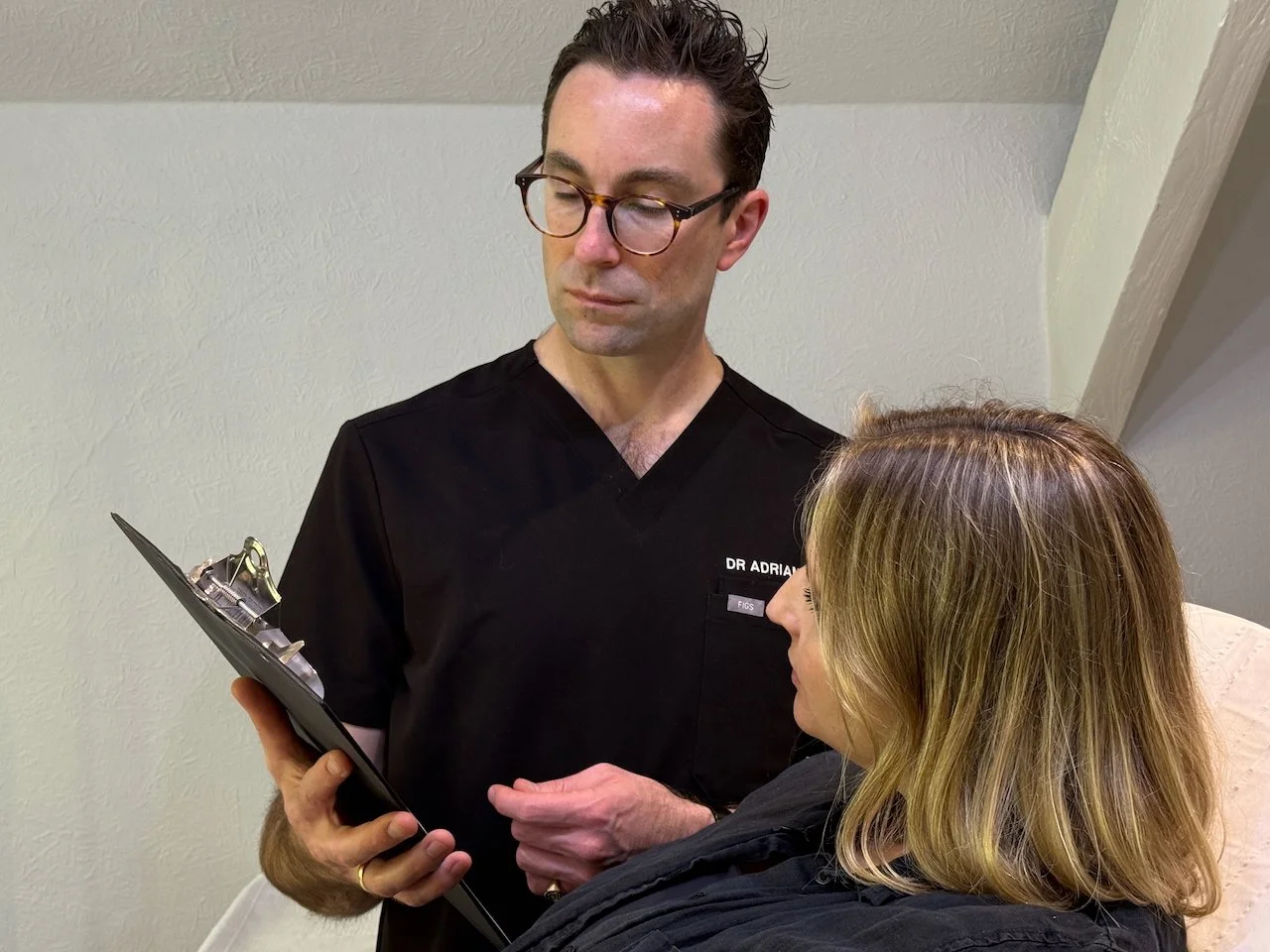
Why Consultation Matters
Not every concern is best treated with the newest trend.
Some patients may benefit more from:
Hydration-focused treatment
Structural support
Collagen stimulation
A combined approach
Conclusion: Promising Treatment But Best Used Thoughtfully
Polynucleotides are an increasingly popular option for patients seeking subtle skin-quality improvement and regenerative support.
They are not a universal solution — but for the right patient, and in the right area, they can be a valuable addition to modern aesthetic treatment options.
For insight into Dr Forrester’s current opinion about polynucletides read
An Experienced Clinician's Honest and Cautious Assessment