

Clinical Perspectives Blog
A different kind of reading - reflections from our Surrey Clinic
Clinical Perspectives is a little different from the rest of our site. You will not find treatment guides or procedure explainers here. What you will find is a collection of essays and reflections on some of the broader questions that sit behind aesthetic medicine. Some posts will be more detailed examinations of topics from our General Blog.
These pieces are wholly text-based and deliberately unhurried. They are written without the support of imagery because the intention is that the ideas carry the weight, not the presentation. If you are someone who is curious about the quieter, more considered side of aesthetic medicine, we hope you find something here worth returning to.
The views expressed here are Dr Forrester’s personal opinions — formed over 45 years of medical practice and refined through thousands of patient conversations. They do not represent an industry position or a commercial one.
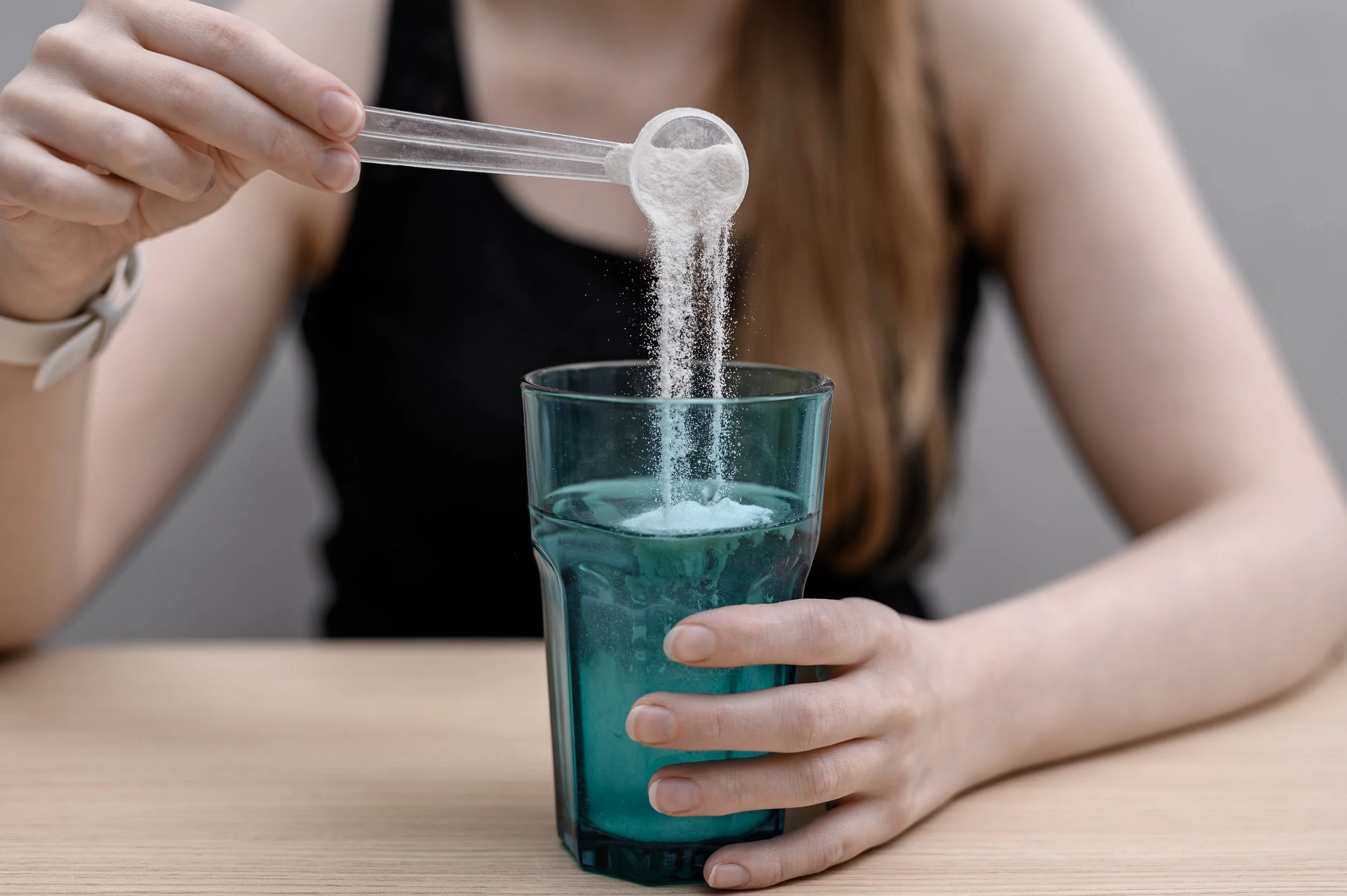
Do Oral Collagen Supplements Actually Work? An Honest Clinical Assessment
The most fundamental criticism of oral collagen supplementation has always been the absorption question. The traditional sceptical argument has been that what reaches the bloodstream is simply amino acid building material, no different from eating a piece of chicken. The science has moved on — but the picture is considerably more complicated than the supplement industry acknowledges.
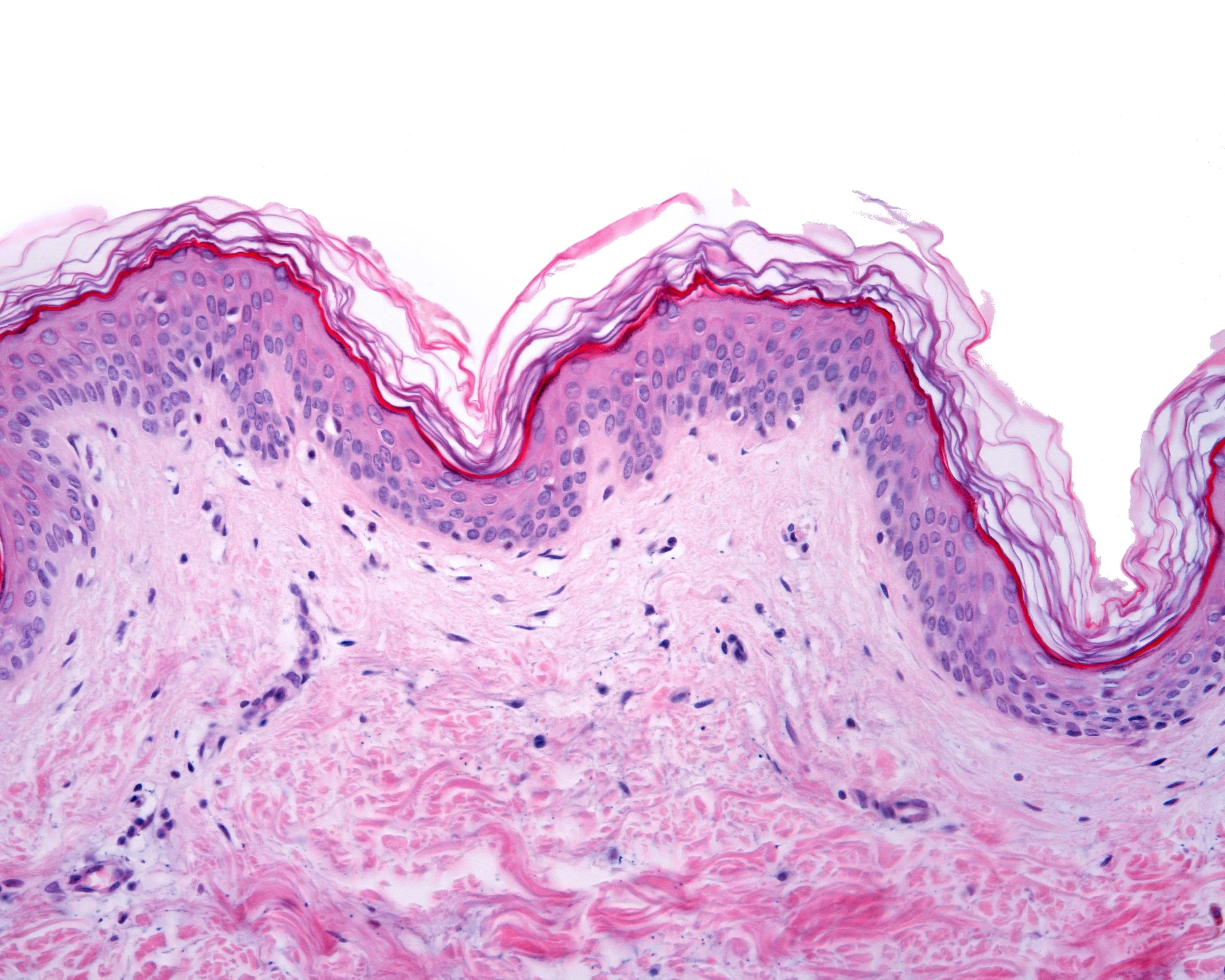
The Architecture of Healthy Skin — and What Happens to It Over Time
Skin is the body's largest organ, and its complexity is frequently underestimated. What appears from the outside as a simple surface is, at a microscopic level, an extraordinarily organised biological system. Understanding that architecture is the starting point for understanding why it ages the way it does — and why those changes matter clinically.
The Collagen Stimulation Mechanism — A Deeper Look at How Biostimulatory Treatments Actually Work
Collagen is the most abundant structural protein in the human body, accounting for approximately 75% of the dry weight of skin. From the third decade of life onwards, its production declines at approximately 1% per year. Understanding how biostimulatory treatments reverse that process, and the precise biological mechanisms by which they do so, is not merely academic. It informs better clinical decisions, more honest patient conversations, and a more rigorous approach to treatment planning.