
Collagen — What It Is, Why You Lose It, and Why It Matters for Your Skin
Collagen is the word at the heart of almost every conversation about skin ageing. Here is an explanation of what it actually is, what happens to it over time, and why stimulating it is one of the most important things aesthetic medicine can do.
The word you hear everywhere
Collagen appears on skincare labels, in treatment descriptions, and in almost every conversation about ageing skin. It is used so frequently that its meaning has become somewhat blurred. Understanding what collagen actually is and what happens to it makes every other conversation about skin health considerably more useful.
What collagen actually is
Collagen is the most abundant structural protein in the human body. In the skin, it accounts for approximately 75% of its dry weight.
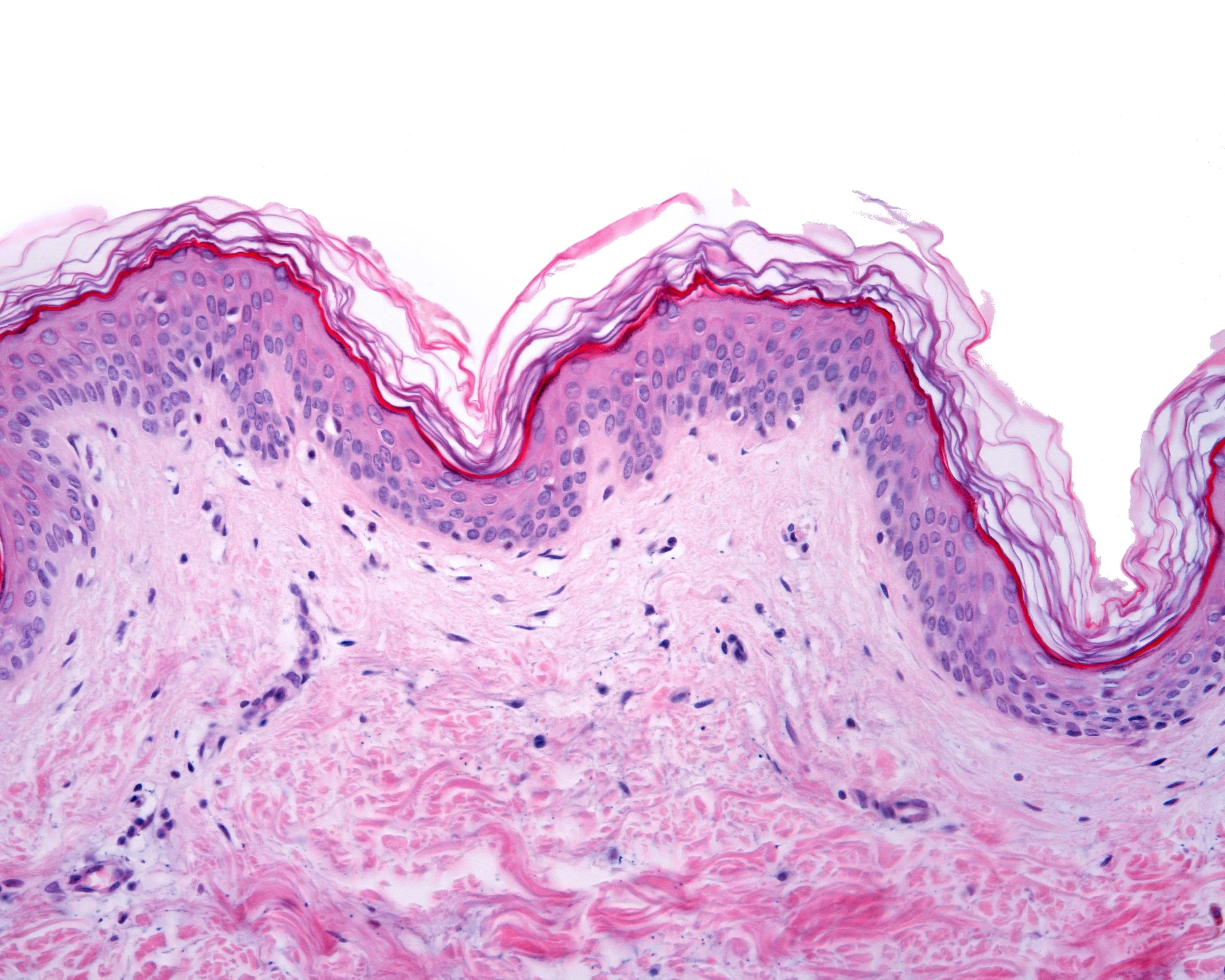
Think of collagen as the scaffolding that gives skin its firmness, its thickness, and its ability to spring back after being stretched or compressed.
It is produced by fibroblasts — specialised cells that live in the deeper layer of the skin known as the dermis. The most important types for skin health are type I collagen, which provides structural strength and firmness, and type III collagen, which gives younger skin its softness and elasticity.
Why we lose it
Collagen production begins to decline from the mid-twenties onwards, at a rate of approximately 1% per year. For most of early adulthood, this loss is gradual and its effects are subtle. By the forties, the cumulative decline becomes visible — in the thinning of the skin, the loss of firmness, and the lines that begin to remain at rest rather than disappearing when the face relaxes.
For women, peri-menopause significantly accelerates this process. The decline in oestrogen during this transition can result in a loss of up to 30% of skin collagen in the first five years — more than double the rate of earlier decades. Sun exposure, smoking, and poor nutrition compound the loss further, which is why two people of the same age can have very different skin collagen content depending on their history and lifestyle.
Why stimulating it matters
Replacing collagen directly is not straightforward. Collagen molecules are too large to penetrate the skin through topical application — which is why collagen creams, however well marketed, cannot meaningfully rebuild the dermis from the outside.
What does work is stimulating the skin's own fibroblasts to produce more collagen from within. This is the principle behind some of the most effective treatments in aesthetic medicine — and it is why biostimulatory treatments have become so central to modern skin rejuvenation. Read more about Biostimulatory Treatments A New Way of Thinking About Skin Rejuvenation
How biostimulatory treatments work
Treatments such as Sculptra, Profhilo, and polynucleotides each work through different mechanisms, but share the same fundamental goal: activating fibroblasts to produce new collagen and elastin within the dermis. The results develop gradually, because true collagen remodelling takes months, not days, but they are genuine and, in many cases, durable. At the Cosmetic Doctors Company in Surrey, for most patients, Sculptra is our collagen stimulator of choice. See how Sculptra works.
This is also why claims of visible collagen improvement in days or weeks deserve scepticism. The biology simply does not work on that timeline. Treatments that deliver real structural change require patience, and the most impressive results are almost always the ones that nobody can quite point to.
The foundation of everything else
Good skin is built on good collagen. Almost every other aspect of skin health — hydration, elasticity, firmness, the way the skin sits over the underlying structure depends on the quality and quantity of the collagen beneath the surface.
Understanding that is the starting point for understanding why the treatments that address collagen directly, rather than simply smoothing the surface above it, tend to produce the most lasting and most natural-looking results.
To find out more about collagen-stimulating treatments or to arrange a consultation, please visit our website or get in touch directly.