What Is Sculptra and How Does It Work?
An introduction to one of aesthetic medicine's most established and yet most misunderstood treatments.
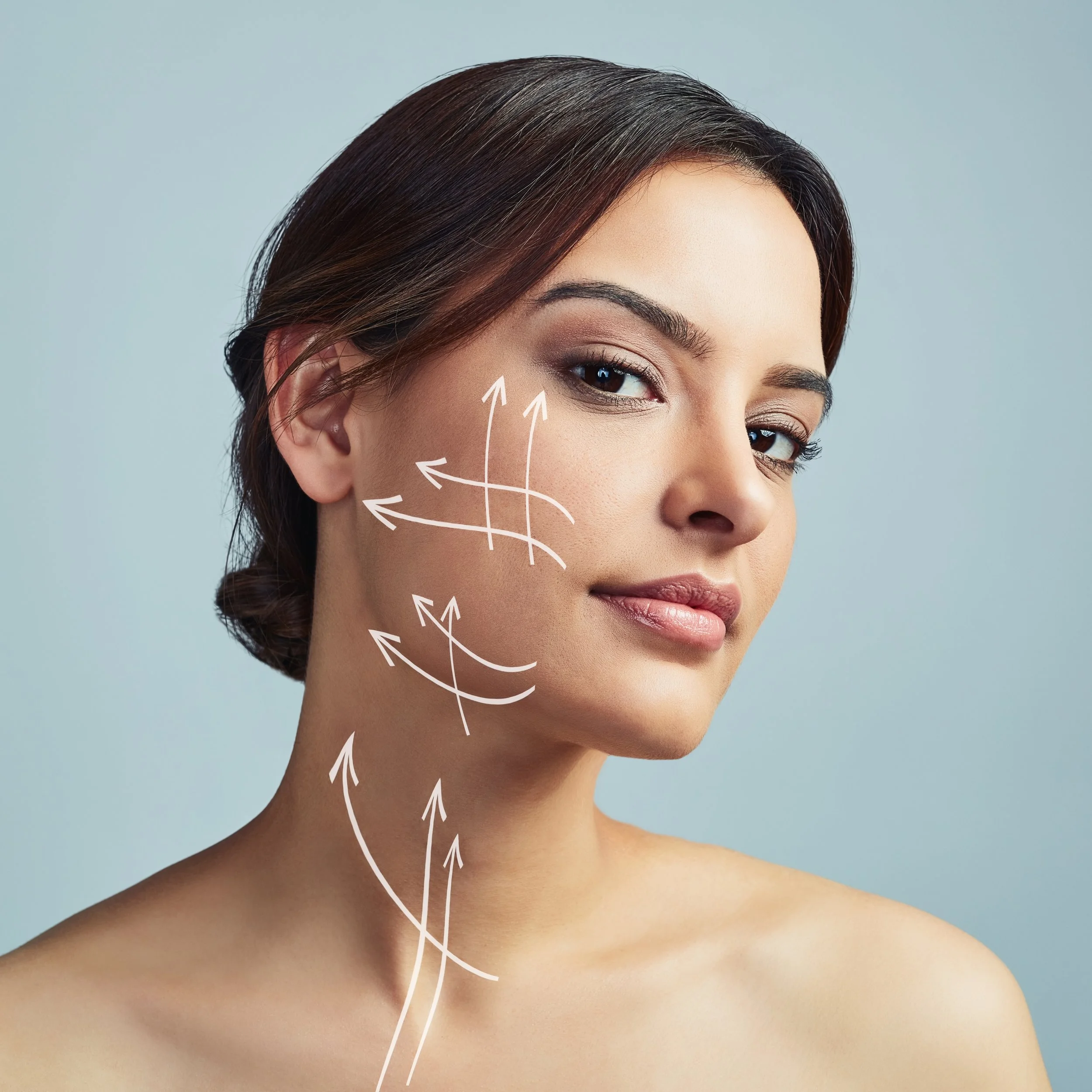
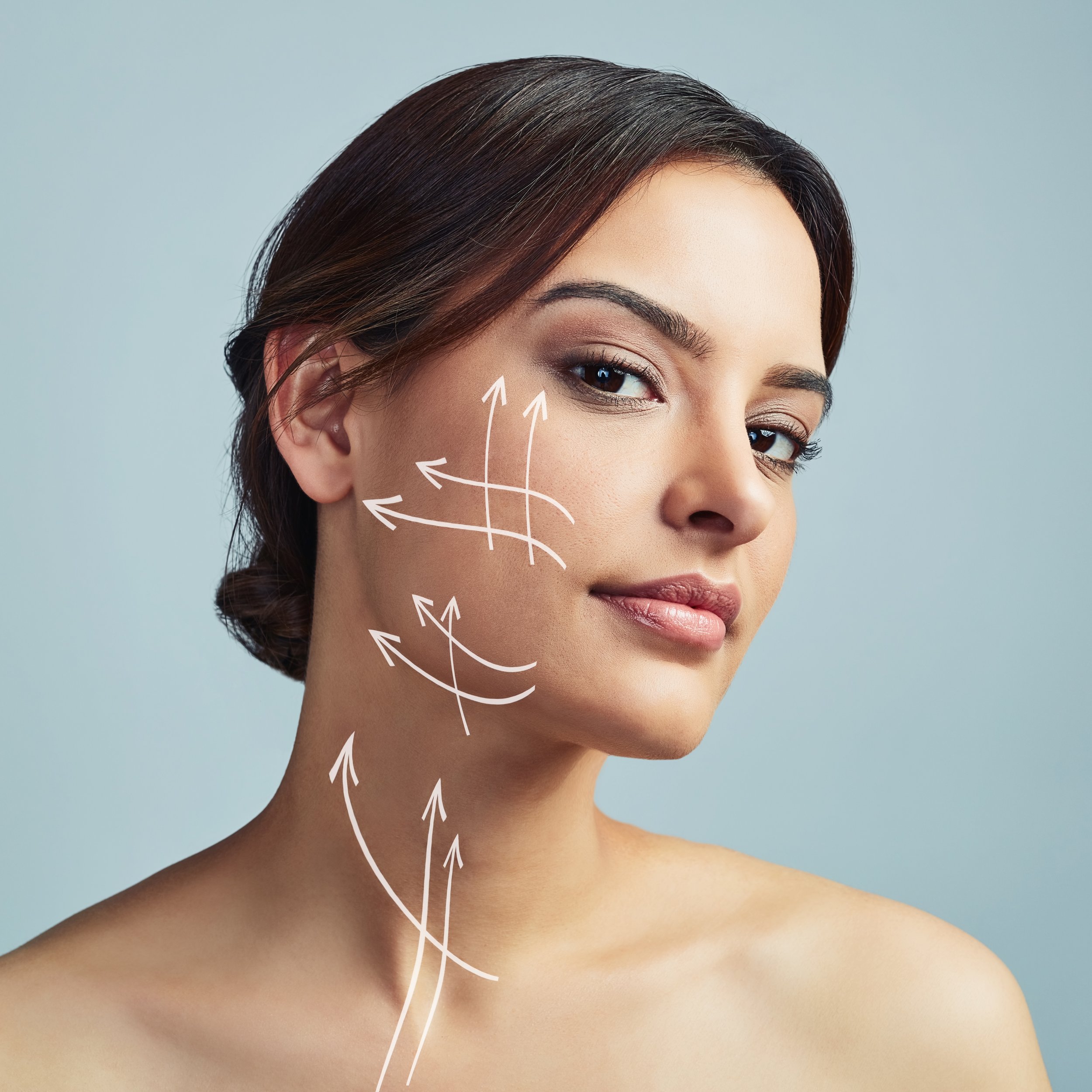
Sculptra works by stimulating your body to produce more of its own collagen. Its active ingredient, Poly-L-lactic acid (PLLA), triggers a gradual biological response within the tissues. As new collagen forms over the following weeks and months, facial support and volume improve progressively rather than appearing immediately as they would with a conventional dermal filler.
Not a filler — something fundamentally different
Sculptra is frequently described as a filler, and the description is understandable but misleading. It is injected, it addresses volume loss, and it improves the appearance of an ageing face, but the mechanism by which it does so is entirely different from a conventional dermal filler, and that difference is the most important thing to understand about it.
A dermal filler adds volume by physically occupying space in the tissue. Sculptra does not. Its active ingredient, poly-L-lactic acid (PLLA), is a biocompatible synthetic material that has been used safely in medicine for decades.
When introduced into the tissue, it does not restore volume directly. Instead, it initiates a controlled biological response that stimulates the body's own collagen production over the weeks and months that follow. The volume and improvement that result are the product of the patient's own tissue rather than an injected substance.
What happens beneath the skin
Following injection, the PLLA microspheres are gradually absorbed by the surrounding tissue, triggering a controlled inflammatory response that activates fibroblasts; the cells responsible for collagen synthesis. Those fibroblasts begin producing new collagen over several months. Read our in depth review of collagen stimulation.
This process of neocollagenesis (new collagen formation) is the same mechanism the body uses in natural wound healing, and it cannot be easily rushed. The improvement develops gradually and continues even after the PLLA itself has been fully absorbed.

A course of Sculptra typically involves two to three treatment sessions, spaced four to six weeks apart
What it treats
Sculptra is particularly well suited to the diffuse structural changes that characterise facial ageing - the loss of volume in the cheeks, temples, and jawline, the declining quality of the skin and soft tissue, and the overall reduction in structural support that makes a face look depleted or tired rather than specifically hollowed.
Because it works broadly across the treated area rather than filling a precise localised deficit, it tends to produce a more general improvement in facial quality that looks natural precisely because it is the product of the body's own biology.
What to expect from treatment
A course of Sculptra typically involves two to three treatment sessions, spaced four to six weeks apart, though this varies between patients depending on the degree of change, the areas being addressed and the patient’s age.
Patience is required with a Sculptra treatment, but the results will justify the wait.
Results develop gradually over three to six months following the completion of a course, and they tend to be durable; in many patients lasting two years or more. There is no immediate visible result in the way that filler produces one, which is one of the most important things to understand and accept before beginning treatment.
Where to go from here
Sculptra is a treatment that rewards understanding.
The patients who get the most from it are those who arrive properly informed about how it works, what the treatment journey involves, and what kind of result it produces.
The articles linked below explore Sculptra in more depth.