

Further Expert Guidance on Sculptra
Further Expert Guidance on Sculptra Treatments
Here you can explore more about Sculptra treatment safety, natural results, and common concerns in our related articles.
Featured
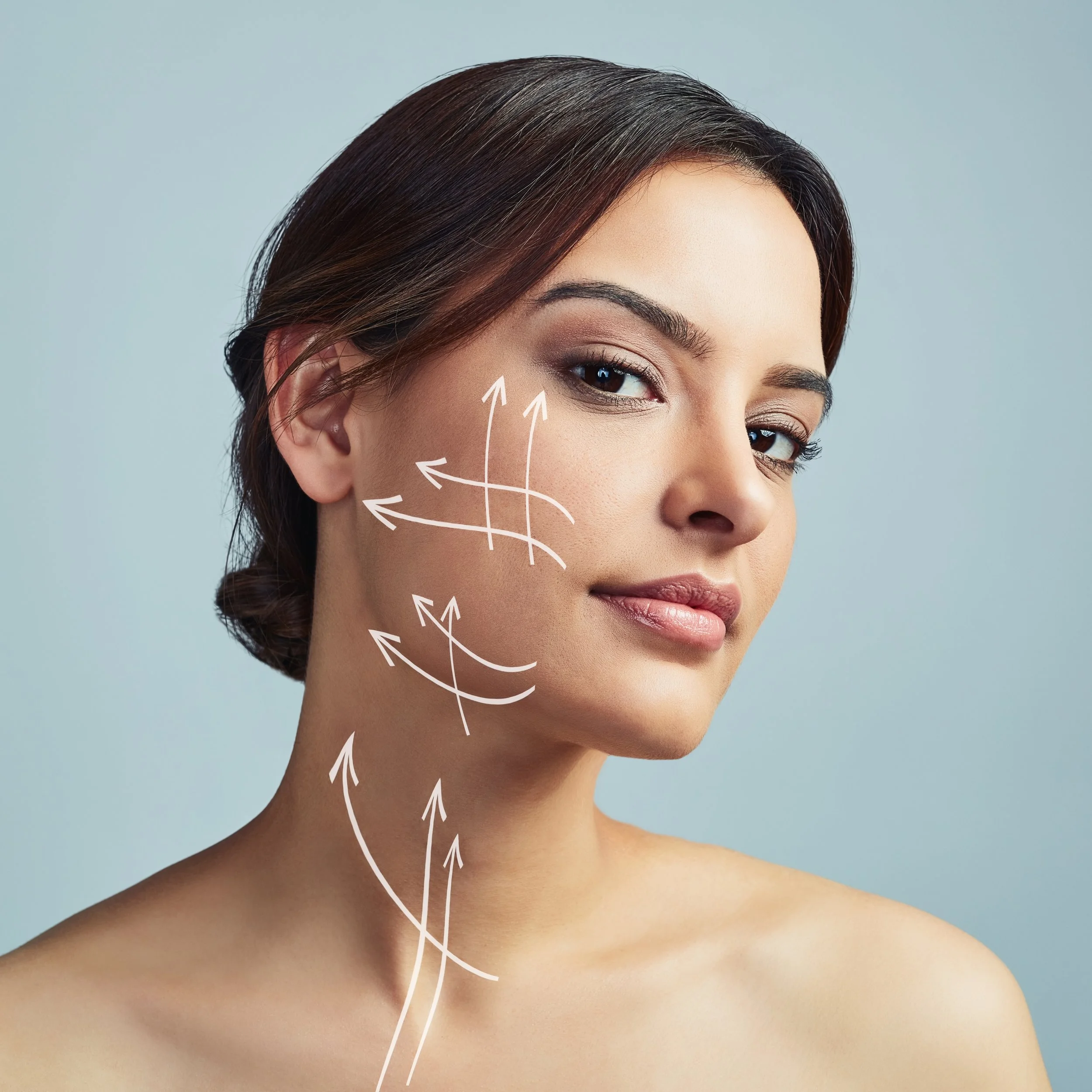


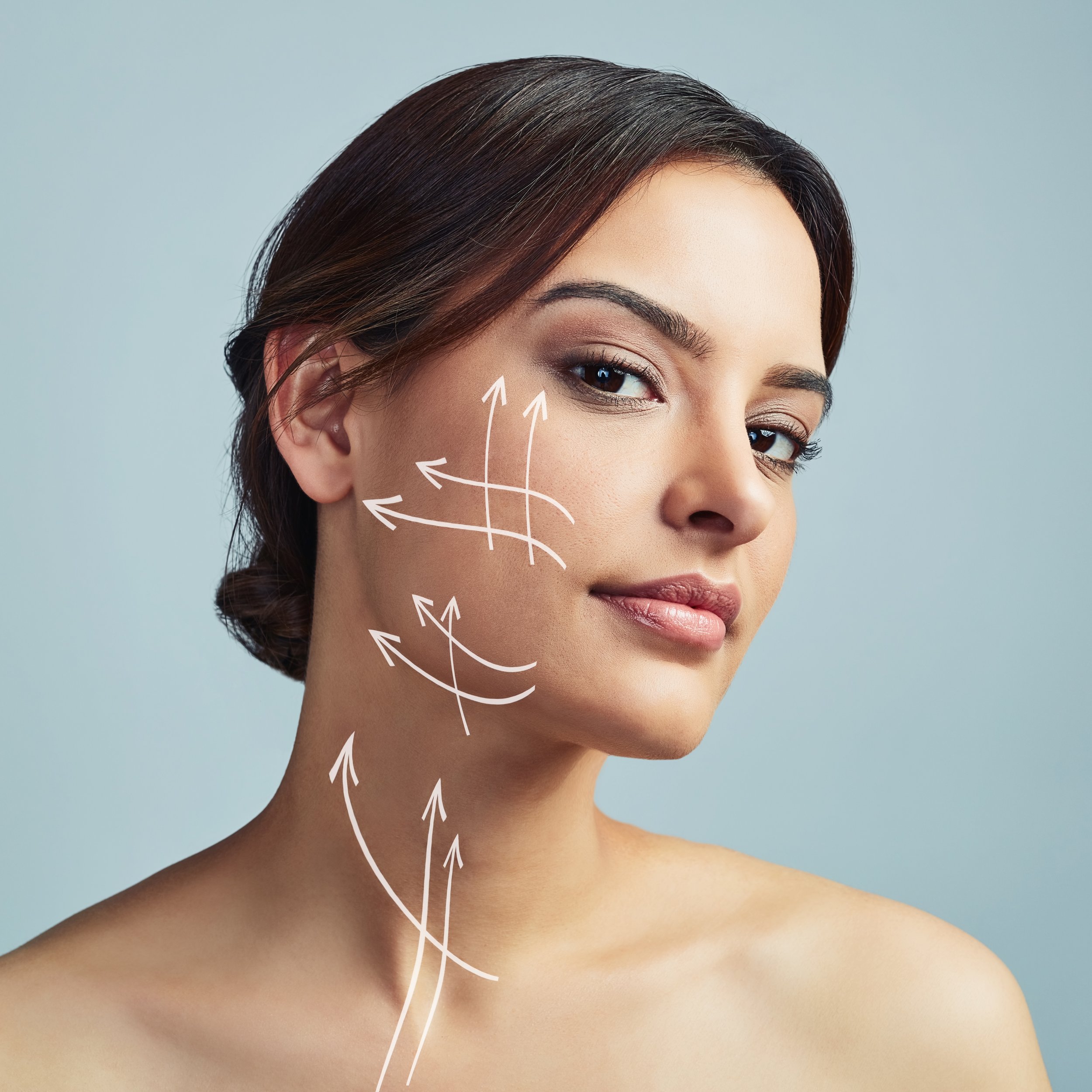







Understand the difference between Sculptra and Profhilo. Learn which treatment is best for natural, long-term facial rejuvenation with expert guidance.
What is the difference between Sculptra and dermal fillers? Learn how they work, why their results differ and which approach may be right for you.
Juläine is attracting considerable attention as the latest PLLA collagen stimulator, with claims of smoother microspheres, easier preparation and improved performance. But do these engineering advances translate into better results for patients? In this article, Dr Peter Forrester compares Juläine with the long-established Sculptra.
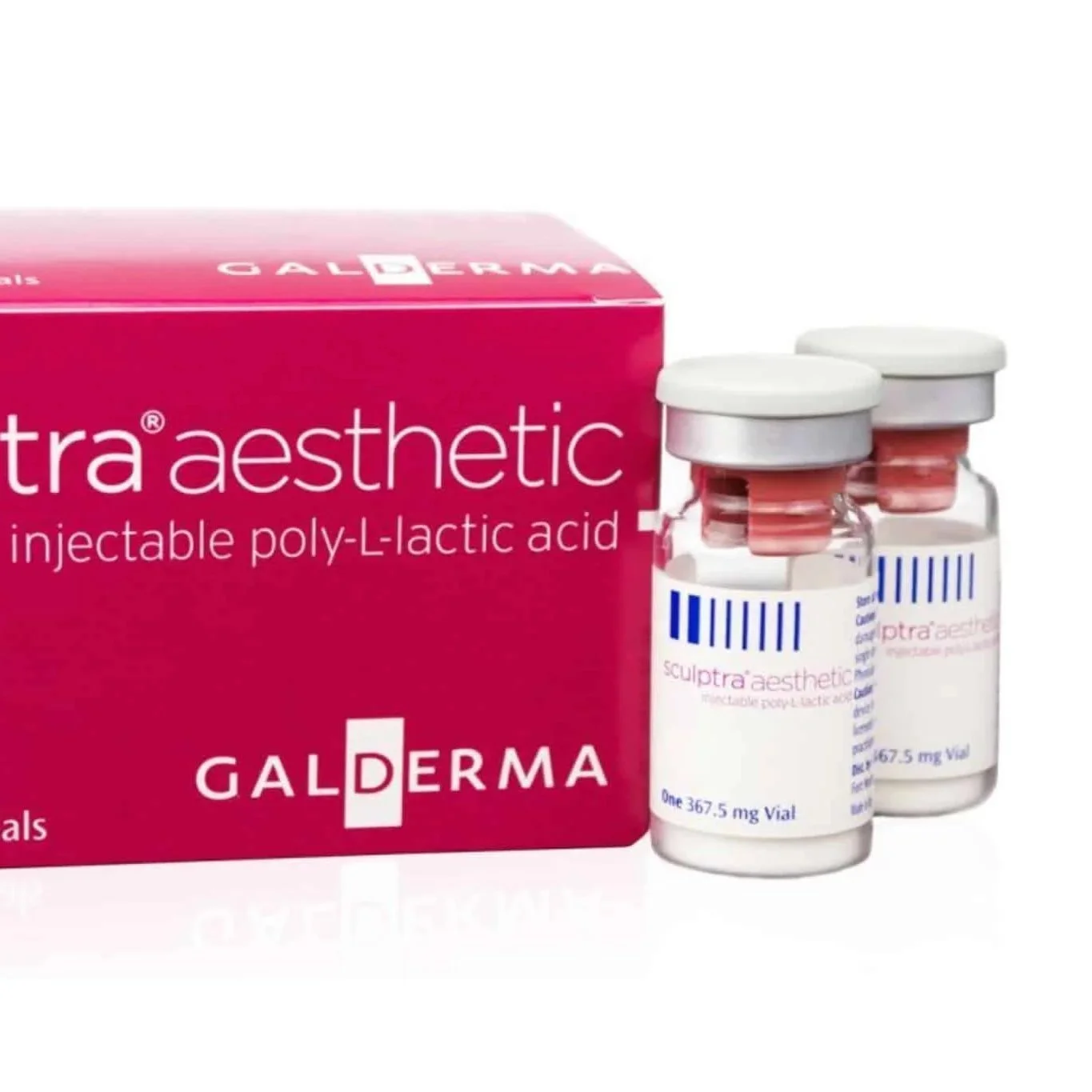
Sculptra has been available for over 25 years. For much of that time it sat quietly on the periphery of aesthetic practice, occasionally used but never quite mainstream. That is now changing rapidly — and there are good reasons why.
Sculptra has been used safely in aesthetic medicine for over twenty years. Here we set out the side effects, address the nodule question directly, and explain why practitioner experience is the key safety variable.
Sculptra is one of the longest-lasting injectable treatments in aesthetic medicine. Here we explain why it outlasts other injectables, what to expect over time, and when patients typically return for maintenance.
For most patients, Sculptra involves two sessions spaced four to six weeks apart. Here we explain how the number of sessions and vials is determined and why individual assessment matters.
Sculptra suits some patients well and others less so. Here we set out the profiles we most commonly recommend it to, those we'd redirect, and the questions worth asking before you book.
Sculptra and Radiesse are both biostimulators — but beneath that shared label they work through different mechanisms, produce results on very different timelines, and suit patients with meaningfully different priorities. Here is the practical guide to understanding which might be right for you.
Sculptra is frequently described as a filler, and the description is understandable but misleading. Its mechanism is entirely different and that difference is the most important thing to understand about it.
Sculptra does not produce an immediate visible result. What follows treatment is a period of quiet biological activity beneath the surface; the gradual stimulation of the body's own collagen production that will, over the weeks and months ahead, produce the improvement the treatment is designed to deliver. The most impressive results typically emerge three to six months after a course of treatment has been completed.
Walk into most aesthetic clinics, browse most aesthetic websites, and the patient being addressed is almost exclusively female. And yet men age too, and an increasing number of them are thinking carefully about what, if anything, they want to do about it.
Sculptra is not a treatment you can fully understand in five minutes, and a practitioner who attempts to explain it in five minutes is not doing it justice. Unlike dermal fillers, which produce visible results immediately, Sculptra works gradually, stimulating the body's own collagen production over weeks and months. That mechanism is one of its greatest strengths.