
Blog - Sense & Science in Aesthetic Medicine
Advice and information you can trust - with no sales pitch.
At The Cosmetic Doctors Company, we believe good aesthetic medicine starts with good information.
This blog exists to provide information and answer the questions patients often ask, honestly and in plain language, whether you're curious about safety, how a treatment works, what results you can realistically expect, or simply a better understanding of your skin.
Everything we write here reflects the same principles that guide our clinic:
Care that is doctor-delivered, not just doctor-led
Advice that is honest rather than persuasive
We'd rather you left an article feeling better informed than sold to.
Scroll down to read our Blog posts.
Or search our Blog here:

Will Dermal Fillers Change My Face? Natural vs Unnatural Results Explained
Many patients worry that dermal fillers will leave them looking unnatural or like a different person. In reality, well-planned treatment should enhance rather than alter your appearance. This article explains what actually causes unnatural results and how subtle, balanced outcomes are achieved through careful assessment and a conservative approach.

Sculptra and the Ageing Male Face
Walk into most aesthetic clinics, browse most aesthetic websites, and the patient being addressed is almost exclusively female. And yet men age too, and an increasing number of them are thinking carefully about what, if anything, they want to do about it.

The Sculptra Consultation — Why It Takes Longer and Why That Is a Good Thing
Sculptra is not a treatment you can fully understand in five minutes, and a practitioner who attempts to explain it in five minutes is not doing it justice. Unlike dermal fillers, which produce visible results immediately, Sculptra works gradually, stimulating the body's own collagen production over weeks and months. That mechanism is one of its greatest strengths.

Skin Quality vs Volume Loss: What Treatment Do You Actually Need?
Not all ageing changes are the same. Some relate to skin quality, while others are due to volume loss beneath the surface. Understanding the difference is key to choosing the right treatment and achieving natural results. Our latest article explains what you really need to know before deciding.

Are Dermal Fillers Safe? Part I - Risks, Complications and Expert Guidance
Safety is one of the most common concerns in aesthetic medicine, and rightly so. Understanding the risks, choosing the right practitioner, and having a proper consultation are key to achieving safe, natural results. In our latest article, we explain the most common misconceptions and what patients should really know before treatment.

The Shift Towards Subtle Aesthetic Treatments — Why Less Is Now More
A shift is underway in aesthetic medicine. Discover why subtle, natural-looking treatments are replacing overdone results—and what this means for achieving refined, balanced outcomes.

Are Dermal Fillers Safe? Part II — Vascular Occlusion and Why the Practitioner Makes All the Difference
Vascular occlusion occurs when filler is inadvertently injected into or compresses a blood vessel, interrupting the blood supply to the tissue it serves. In the most serious cases the consequence can be permanent vision loss. Blindness following filler treatment is rare. It is not impossible. And any practitioner who presents this risk as negligible is not being straight with you.
How Long Do Dermal Fillers Last?
The Question Every Patient Asks: How Long Do Dermal Fillers Last? A clear guide to filler longevity, what affects duration, and how results change over time.

What Results Should You Expect from Dermal Fillers?
What results should you expect from dermal fillers? A clear guide to natural-looking outcomes, volume restoration and realistic expectations.

What Are Dermal Fillers and How Do They Work?
What are dermal fillers and how do they work? This guide from the Surrey-based Cosmetic Doctors Company explains how fillers restore volume, support facial structure and achieve natural-looking results.

‘Followers’ Are Not Qualifications: Why Social Media Popularity Isn't a Guarantee Of Safety in Aesthetics
A busy Instagram feed isn't a medical credential. Here's what patients really need to know before choosing an aesthetic practitioner and why social proof can be dangerously misleading.

Wrinkle-Relaxing Injections vs Biostimulators: What’s the Difference?
What’s the difference between wrinkle-relaxing injections and biostimulators? This guide explains how they work, how results differ, and when each approach may be appropriate.

The Whole Face, Not Just the Lines
When patients come to us for the first time, the conversation often starts the same way — they point to a specific line and ask what can be done about it. It is a reasonable starting point, but rarely where the most useful clinical conversation ends. In aesthetic medicine, the face is a single, interconnected structure.

At What Age Should I Start Botox?
We're seeing more patients in their twenties ask about preventative botox. Here's our clinical take — who it suits, who it doesn't, and what we tell every younger patient who sits down with us.

How Often Do You Need Wrinkle-Relaxing Injections?
How often should you have Botox injections? This guide explains how long results last, how frequently treatment is needed, and how to maintain natural-looking outcomes over time.

What Results Should You Expect from Botox Wrinkle-Relaxing Injections?
Natural-looking results matter. Botox injections remain popular because they can produce subtle, natural-looking results when used appropriately. The goal is not to change how you look, but to reduce the appearance of lines while preserving expression.

How Do Botox Wrinkle-Relaxing Injections Work? A Straightforward Explanation
Botox injections are widely used to soften lines, but how do they actually work? This clear, medically grounded guide explains how muscle activity causes wrinkles and how treatment can produce natural-looking results when performed appropriately.

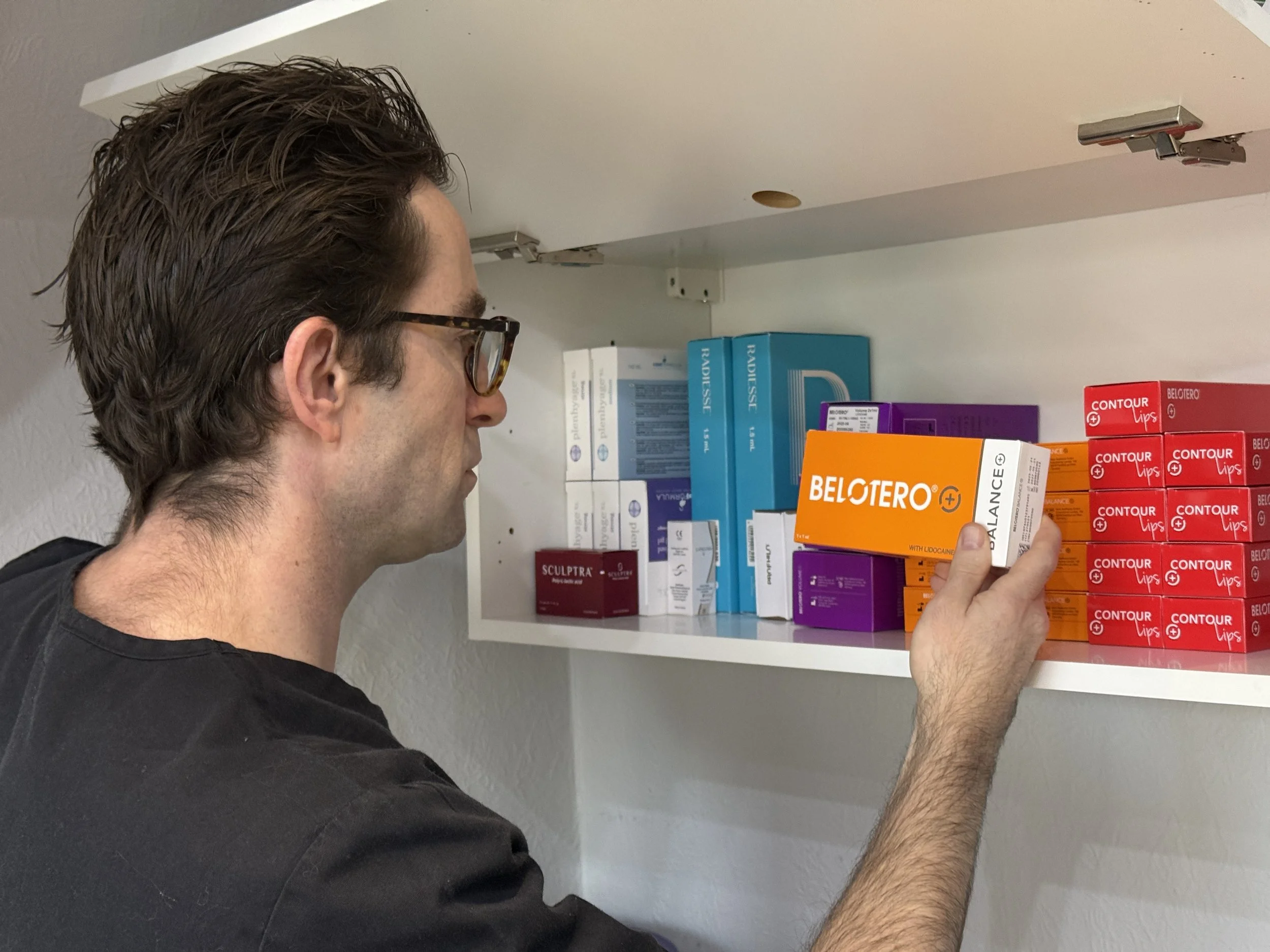
Why I Now Use Belotero for All My Dermal Filler Treatments — A Personal Clinical Review
After more than 20 years of performing dermal filler treatments and trying most of the leading products on the market, I now use Belotero exclusively. Here I explain why.

Why the Best Aesthetic Practitioners Take Their Time
The best aesthetic practitioners don’t rush. Discover why taking time - from consultation through to treatment - leads to safer decisions, more natural results, and better long-term outcomes.

Can Anyone Perform Aesthetic Treatments in the UK ?
Aesthetic treatments are widely available—but not all practitioners have the same training or regulation. Here’s what patients should understand.