
Blog - Sense & Science in Aesthetic Medicine
Advice and information you can trust - with no sales pitch.
At The Cosmetic Doctors Company, we believe good aesthetic medicine starts with good information.
This blog exists to provide information and answer the questions patients often ask, straightforward and in plain language, whether you're curious about safety, how a treatment works, what results you can realistically expect, or simply a better understanding of your skin.
Everything we write here reflects the same principles that guide our clinic:
Care that is doctor-delivered, not just doctor-led
Advice that is honest rather than persuasive
We'd rather you left an article feeling better informed than sold to.
Scroll down to read our Blog posts.
Or search our Blog here:

How Do I Choose a Sunscreen?
SPF30 or SPF50? Mineral or chemical? Does price matter? A practical guide to choosing a sunscreen that protects your skin, suits your skin type and is easy to use every day.
Are Collagen Supplements Worth It?
Collagen supplements are widely purchased but hotly debated. Here we set out the mechanistic argument against them, what the clinical evidence nonetheless shows, and what cautious support looks like in practice.
Skincare and Aesthetic Treatments
Patients sometimes arrive having invested significantly in skincare and wondering whether aesthetic treatment adds anything meaningful. Others have had injectable treatments for years without giving their skincare any serious thought. Both groups are missing half of the picture.

The Skincare Trinity — Vitamin C, SPF, and Retinoid. What to Use, What to Look For, and How to Use It.
The evidence converges consistently on three interventions as the foundation of any serious skincare routine: a topical vitamin C in the morning, a broad-spectrum SPF as the final morning step, and a retinoid in the evening. Everything else is supplementary. Here is the practical guide to choosing and using each one well.

Does Drinking More Water Give You Better Skin? The Straightforward Answer Is No.
The degree of dehydration required to produce visible changes in the skin only occurs during severe dehydration. You would be desperately thirsty and almost certainly unwell before your skin started looking dehydrated in any clinically meaningful sense. Drinking more water for better skin is one of the most repeated pieces of beauty advice and one of the least supported by evidence. Here is what the science actually says, and what actually works instead.
The Cosmeceutical Trendy Topicals — What the Evidence Actually Says
New skincare ingredients arrive with impressive science and impressive marketing in roughly equal measure. Before examining any of them on their own terms, one question matters more than any other: does it actually penetrate the skin barrier in a biologically active form, in sufficient concentration, to reach the tissue where it is supposed to work?
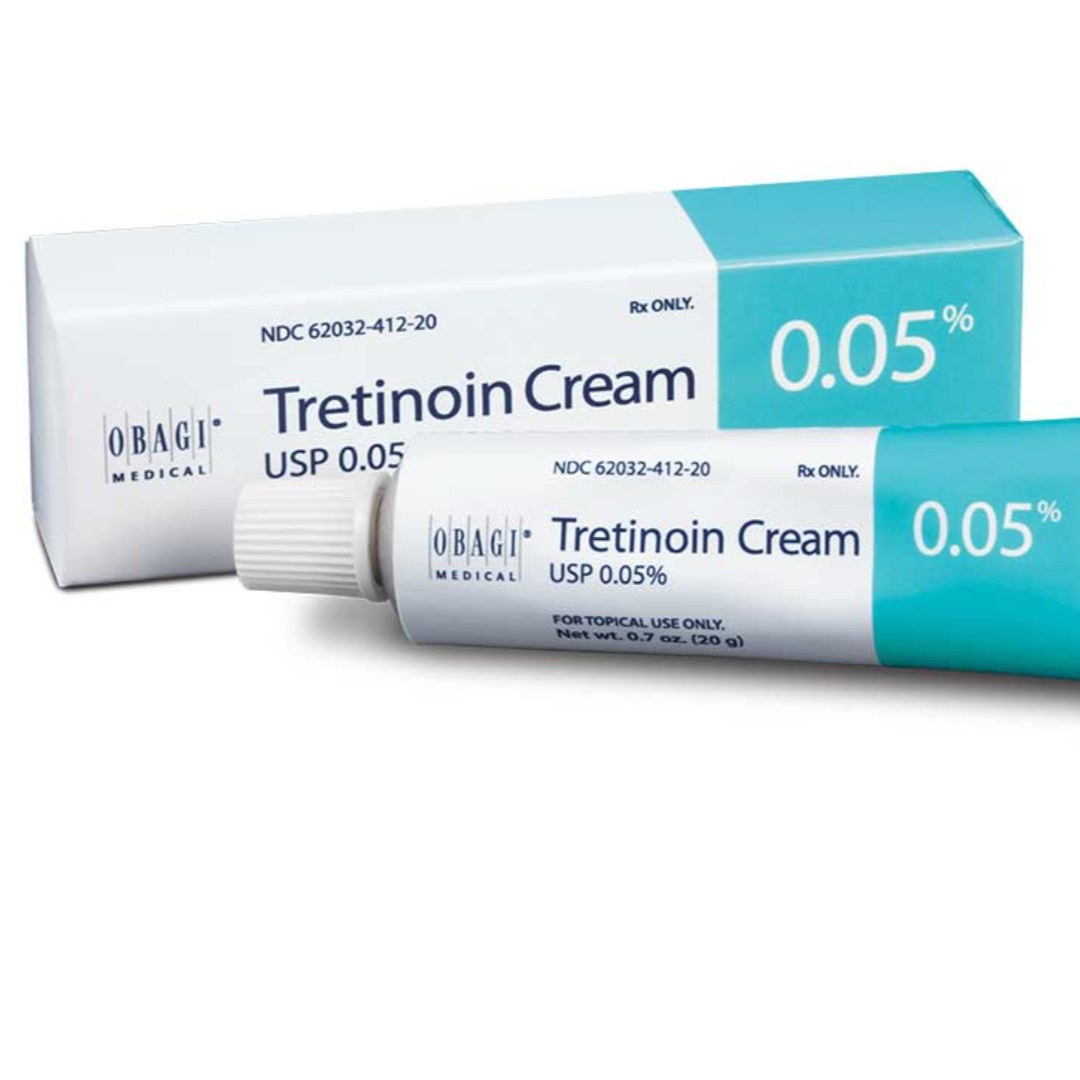
Retinoids — The Facial Skincare Ingredient That Nothing Has Yet Replaced
Retinoids have accumulated an evidence base that no other topical skincare ingredient comes close to matching. They stimulate collagen production, inhibit its breakdown, accelerate surface renewal, and improve skin barrier function. No newer ingredient has been studied as thoroughly, over as long a period, or with as consistently impressive results. They may be promising. Retinoids are proven.

Sculptra vs Radiesse — Which Biostimulator Is Right for You?
Sculptra and Radiesse are both biostimulators — but beneath that shared label they work through different mechanisms, produce results on very different timelines, and suit patients with meaningfully different priorities. Here is the practical guide to understanding which might be right for you.

What Is Sculptra and How Does It Work?
Sculptra is frequently described as a filler, and the description is understandable but misleading. Its mechanism is entirely different and that difference is the most important thing to understand about it.