
Blog - Sense & Science in Aesthetic Medicine
Honest Advice: No Sales Pitch
At The Cosmetic Doctors Company, we believe good aesthetic medicine starts with good information.
This blog exists to provide information and answer the questions patients often ask, honestly and in plain language, whether you're curious about how a treatment works, what results you can realistically expect, or simply want to understand your skin better before deciding on anything at all.
Everything we write here reflects the same principles that guide our clinic:
Care that is doctor-delivered, not just doctor-led
Advice that is honest rather than persuasive
A belief that results should speak for themselves.
We'd rather you left an article better informed than sold to.
Scroll down to read our Blog posts.
Or search our Blog here:

Do Aesthetic Treatments Actually Make You Feel Better?
Most patients who consider aesthetic treatment have a sense that looking better might make them feel better. It is an instinct the aesthetic industry is happy to exploit and that medicine has been reluctant to validate. The honest clinical answer sits somewhere between the two — and it is worth stating clearly.

Does Drinking More Water Give You Better Skin? The Honest Answer Is No.
The degree of dehydration required to produce visible changes in the skin only occurs during severe dehydration. You would be desperately thirsty and almost certainly unwell before your skin started looking dehydrated in any clinically meaningful sense. Drinking more water for better skin is one of the most repeated pieces of beauty advice — and one of the least supported by evidence. Here is what the science actually says, and what actually works instead.

What Your Skin Is Telling You — and How to Listen
Most people think about their skin in terms of how it looks. But the skin is also a remarkably sensitive indicator of what is happening beneath the surface. Learning to read those signals accurately is one of the most useful things you can do for your long-term skin health.
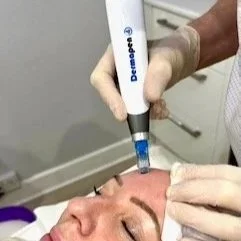
Microneedling — What It Is, How It Works, and Why It Still Has a Place
The depth to which needles penetrate determines what is targeted and what clinical effect is produced. This is the single most important variable in microneedling — and the one most consistently glossed over in the marketing of home and salon devices. Here is the honest account of what the evidence says.
The Cosmeceutical Trendy Topicals — What the Evidence Actually Says
New skincare ingredients arrive with impressive science and impressive marketing in roughly equal measure. Before examining any of them on their own terms, one question matters more than any other: does it actually penetrate the skin barrier in a biologically active form, in sufficient concentration, to reach the tissue where it is supposed to work?
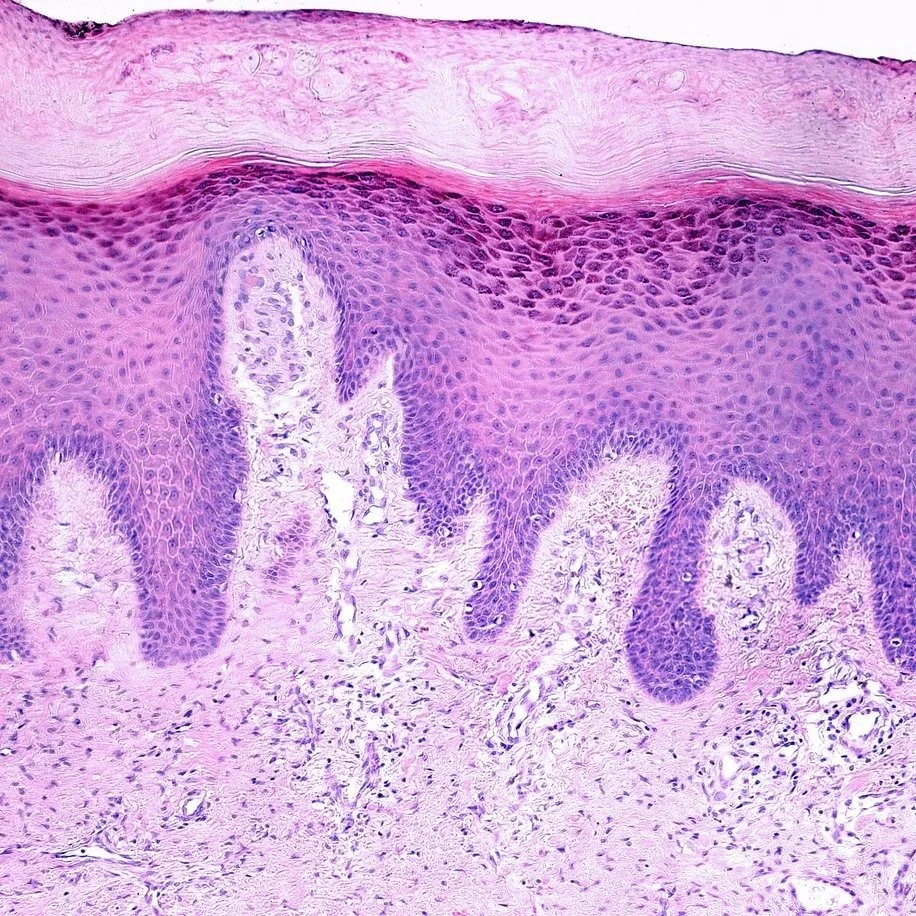
The Skin Barrier — What It Is, Why It Matters, and How to Keep It Healthy
The phrase "skin barrier" appears on product labels and in beauty articles with increasing frequency — usually without any explanation of what it actually means. Understanding it properly, even at a basic level, makes every subsequent decision about skincare considerably more useful.
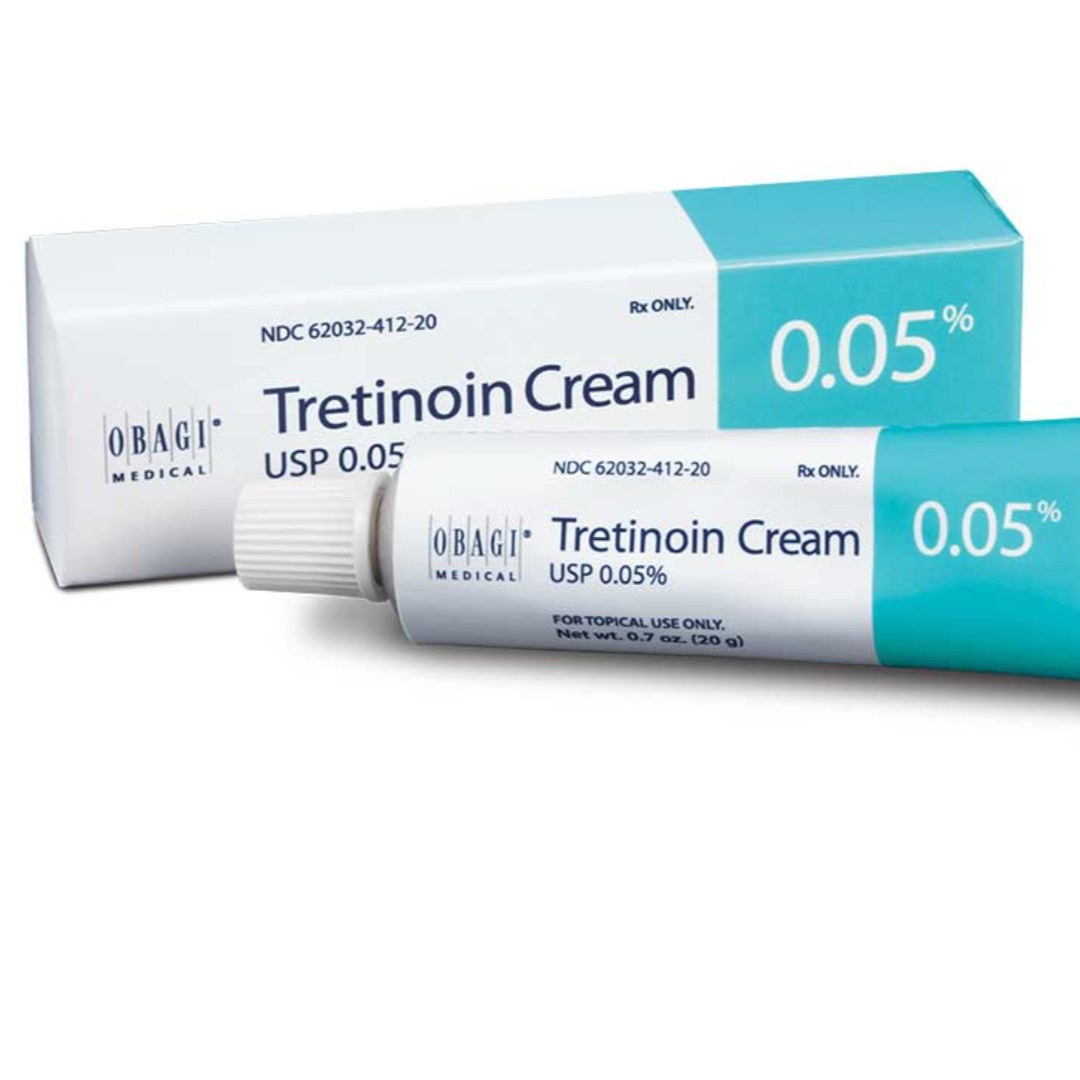
Retinoids — The Facial Skincare Ingredient That Nothing Has Yet Replaced
Retinoids have accumulated an evidence base that no other topical skincare ingredient comes close to matching. They stimulate collagen production, inhibit its breakdown, accelerate surface renewal, and improve skin barrier function. No newer ingredient has been studied as thoroughly, over as long a period, or with as consistently impressive results. They may be promising. Retinoids are proven.
Why Combination Treatment Produces Better Results
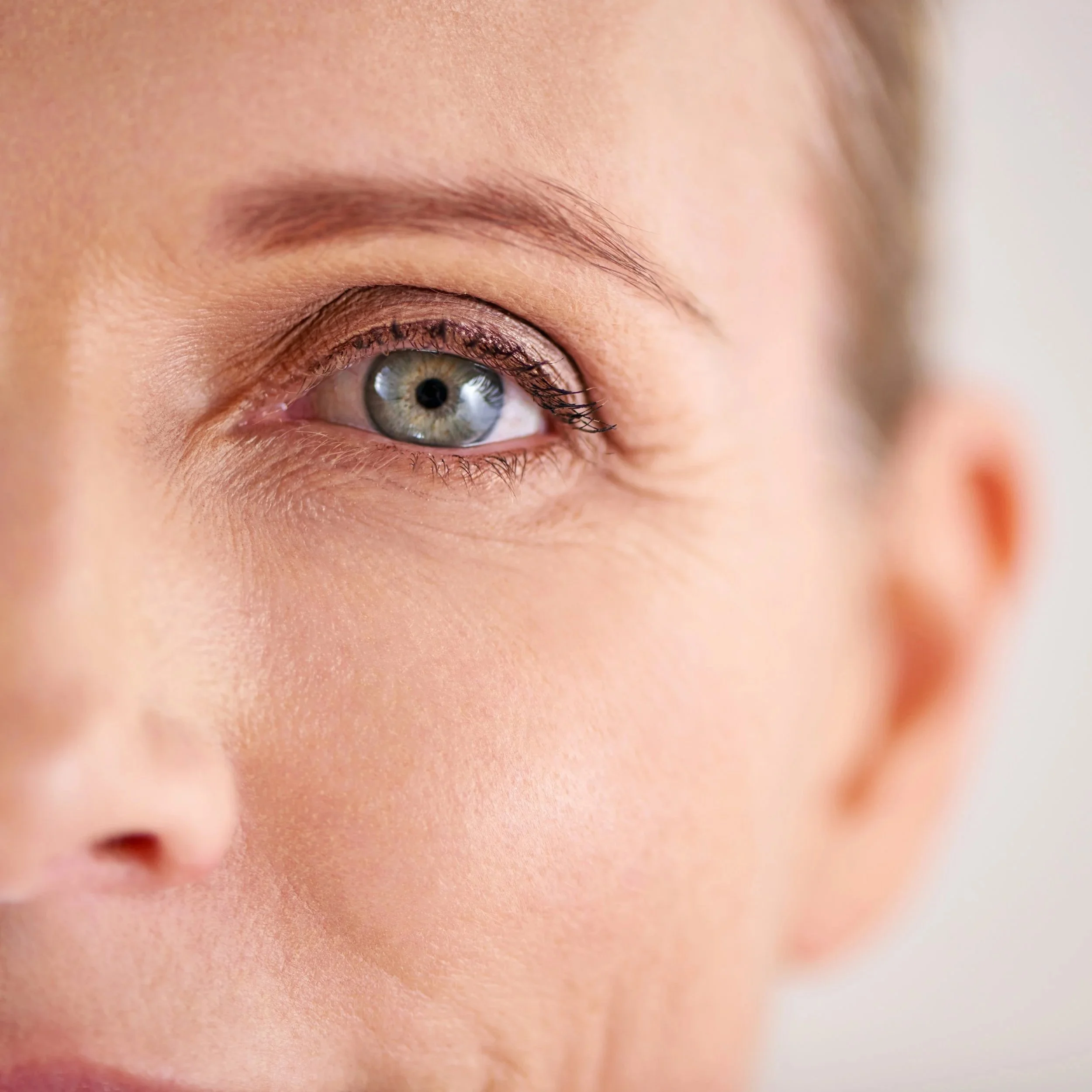
When a practitioner suggests more than one treatment, a reasonable patient might wonder whether the recommendation is genuinely in their interest or simply commercially convenient. It is a fair question — and one that deserves a direct answer. The honest answer is that facial ageing is not a single process.

The “Ozempic” Face After Significant Weight Loss
You have worked hard to lose weight. The health benefits are real. But your face may not look the way you expected — more hollow, more gaunt, more depleted than it did before. This is not imagined, it is not a failure, and it is not inevitable. Here is what is actually happening and what can genuinely help.
The "Non-Surgical Facelift" — What It Can and Cannot Do
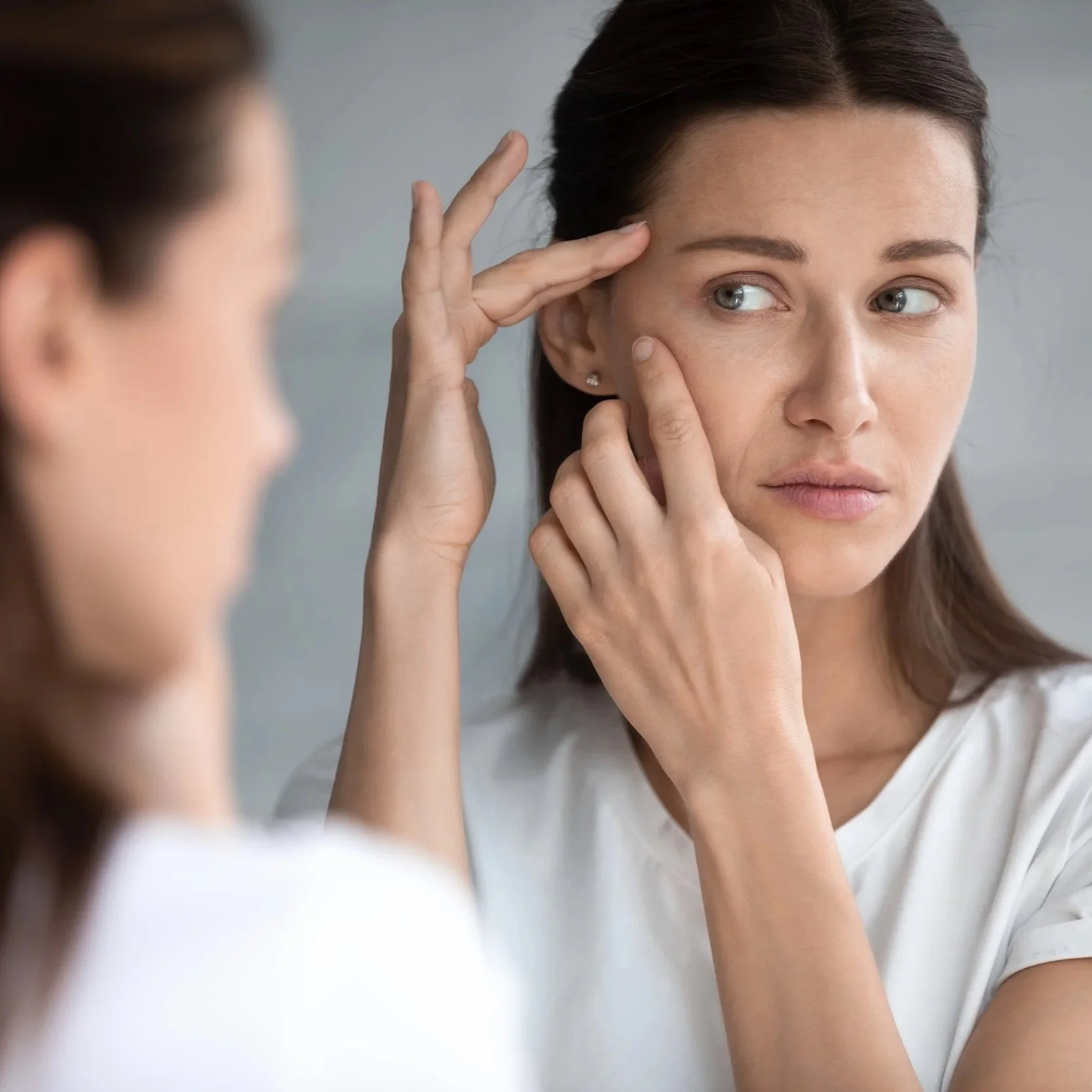
"Non-surgical facelift" appears everywhere in aesthetic medicine. It is a compelling phrase. It is also, in almost every clinical application, a significant overstatement. Here is an honest guide to what non-surgical treatment can genuinely achieve — and where its limits honestly lie.

Growing Old in Public - The Particular Pressures Faced by Professional Women
For many women, looking well is not simply a personal preference. They are in roles where their appearance is professionally visible — and the pressure to maintain a youthful appearance in professional life falls disproportionately and significantly on women. This piece is for them.

After the Storm — For the Woman Who Is Rebuilding Herself
When a woman presents for an aesthetic consultation shortly after a divorce, there is an assumption that floats in the background. She wants to look her best for a new audience.
In our experience, this assumption is almost always wrong — and what these patients are actually seeking is considerably more interesting and considerably more human.

Peri-menopause and Your Face — What Is Happening and What Can Help
Most women describe the same experience. The gradual changes they have been noticing for years suddenly feel different — more rapid, more pronounced, and less easily explained by tiredness or stress. This is not ageing badly. It is perimenopause — and it has a very specific biological explanation.
Collagen — What It Is, Why You Lose It, and Why It Matters for Your Skin
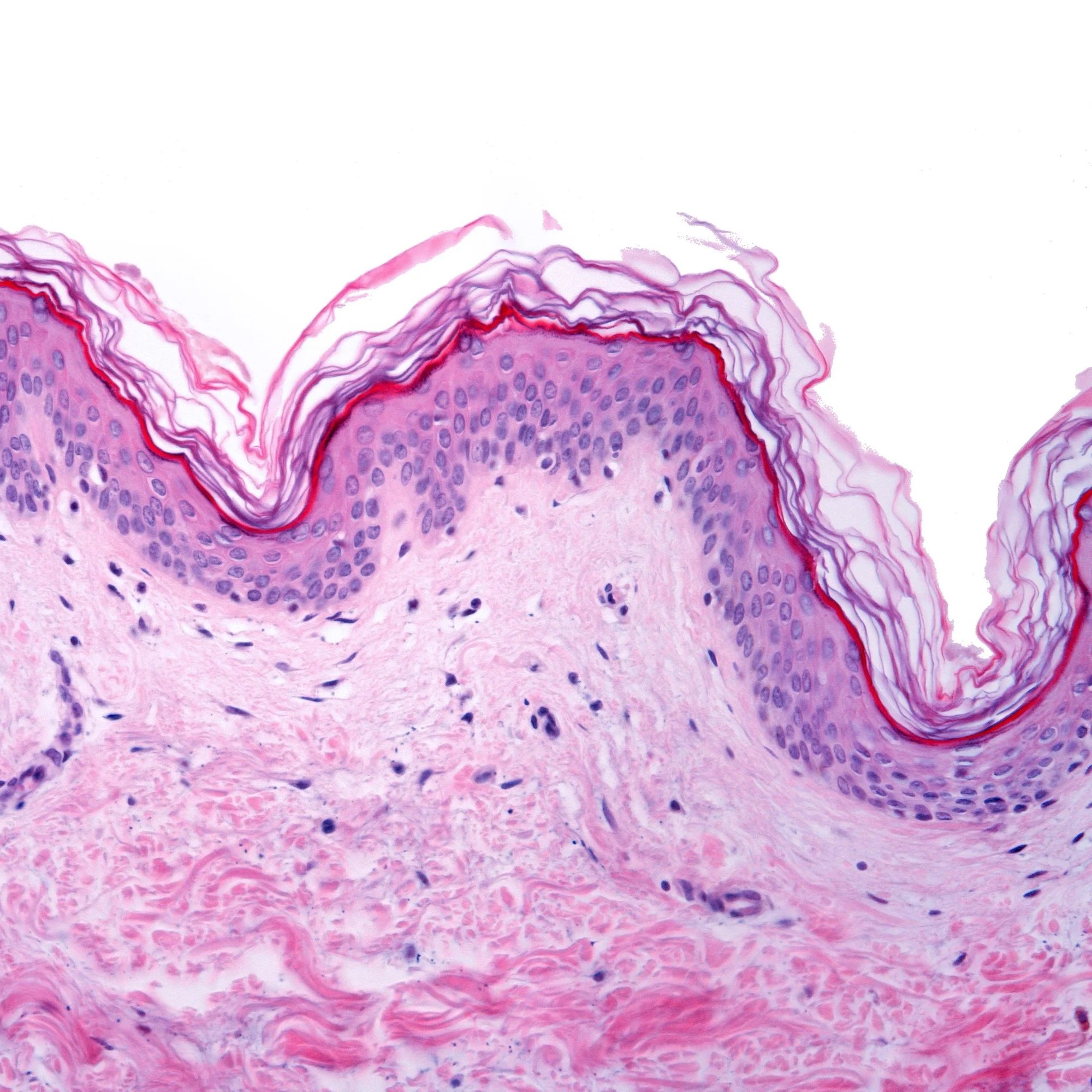
Collagen is the most abundant structural protein in the human body. In the skin, it accounts for approximately 75% of its dry weight. It is produced by specialised cells in the dermis, and its gradual decline from the mid-twenties onwards is one of the most significant drivers of visible skin ageing. Here is what you actually need to know about it.

Sculptra vs Radiesse — Which Biostimulator Is Right for You?
Sculptra and Radiesse are both biostimulators — but beneath that shared label they work through different mechanisms, produce results on very different timelines, and suit patients with meaningfully different priorities. Here is the practical guide to understanding which might be right for you.

Dermal Fillers - The Problem with Only Noticing the Bad Ones
When lips are overfilled, the result announces itself and lodges in the memory. When the same areas are treated with restraint and clinical judgement, the outcome is invisible to everyone except the person in the mirror. This paradox completely distorts how the public perceives aesthetic medicine — and it has a very direct consequence in the consulting room.
Are You Approaching 50 yrs Old and Thinking About Your Skin?
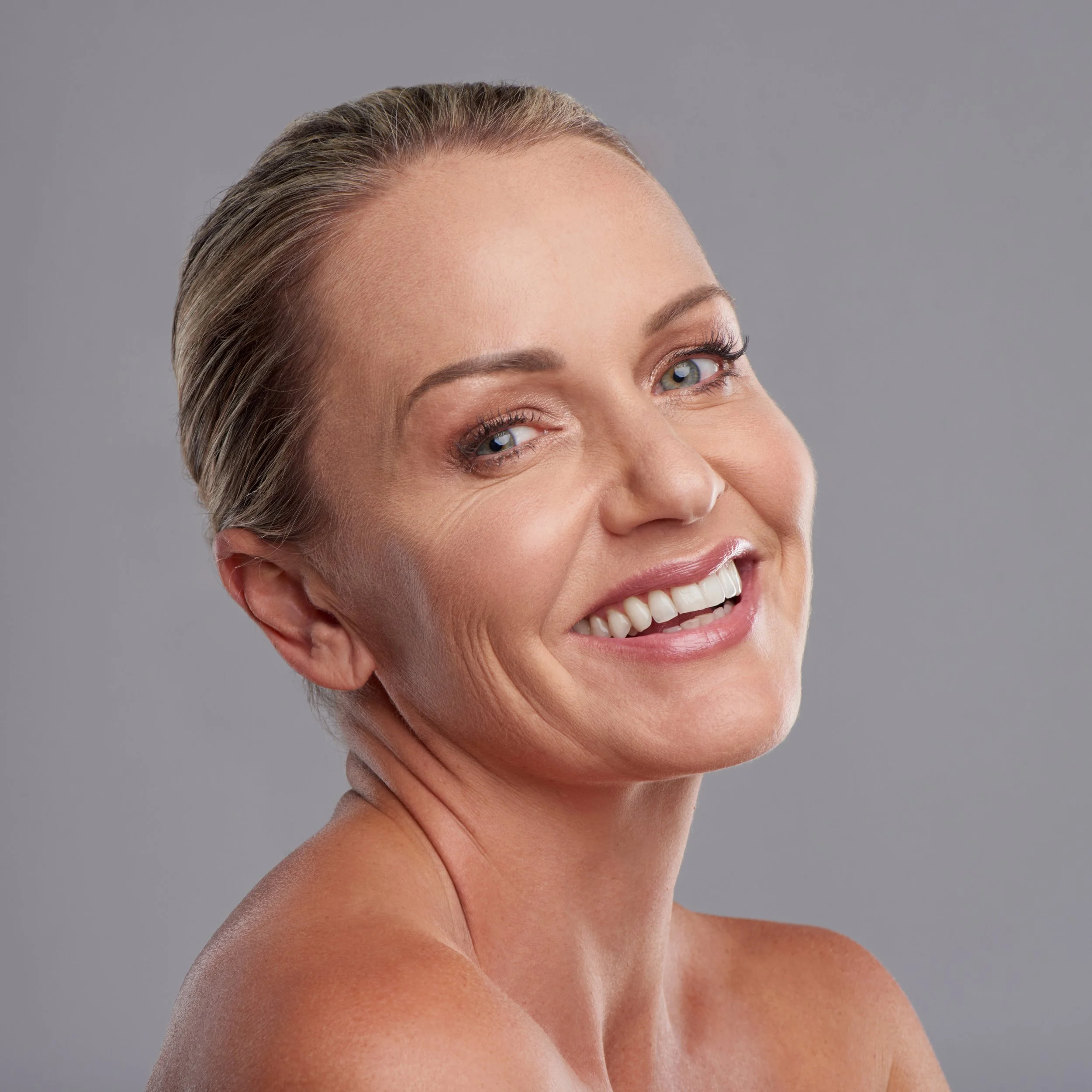
There is a moment many patients describe when they first come to see us. They are approaching fifty, and something has shifted. Not dramatically, not overnight, but persistently. The face looking back from the mirror feels slightly less like them than it used to. If that description resonates, you are in the right place.

The Evidence Problem in Aesthetic Medicine - Why You Should Always Read the Small Print
How is it possible to demonstrate meaningful collagen improvement in fourteen days, when established science tells us that true collagen remodelling takes months? The statistic tells you the company wanted you to feel impressed. Beyond that, it tells you very little.

What Are Polynucleotides and How Do They Work?
Polynucleotides are one of the fastest-growing topics in aesthetics, but many patients are unsure what they actually do. This guide explains how they work, who they may suit, and what kind of results can realistically be expected.

Polynucleotides — An Experienced Clinician's Honest and Cautious Assessment
I started using polynucleotides with my scepticism intact. Almost hoping, if I am honest, to confirm what I suspected; that this was another treatment whose promise would not survive contact with real patients. The early results gave me pause. They were better than I expected. But I am not yet ready to set my scepticism down entirely — and I think the reasons why are worth examining carefully.