
Blog - Sense & Science in Aesthetic Medicine
Advice and information you can trust - with no sales pitch.
At The Cosmetic Doctors Company, we believe good aesthetic medicine starts with good information.
This blog exists to provide information and answer the questions patients often ask, honestly and in plain language, whether you're curious about safety, how a treatment works, what results you can realistically expect, or simply a better understanding of your skin.
Everything we write here reflects the same principles that guide our clinic:
Care that is doctor-delivered, not just doctor-led
Advice that is honest rather than persuasive
We'd rather you left an article feeling better informed than sold to.
Scroll down to read our Blog posts.
Or search our Blog here:

How Do I Choose a Sunscreen?
SPF30 or SPF50? Mineral or chemical? Does price matter? A practical guide to choosing a sunscreen that protects your skin, suits your skin type and is easy to use every day.
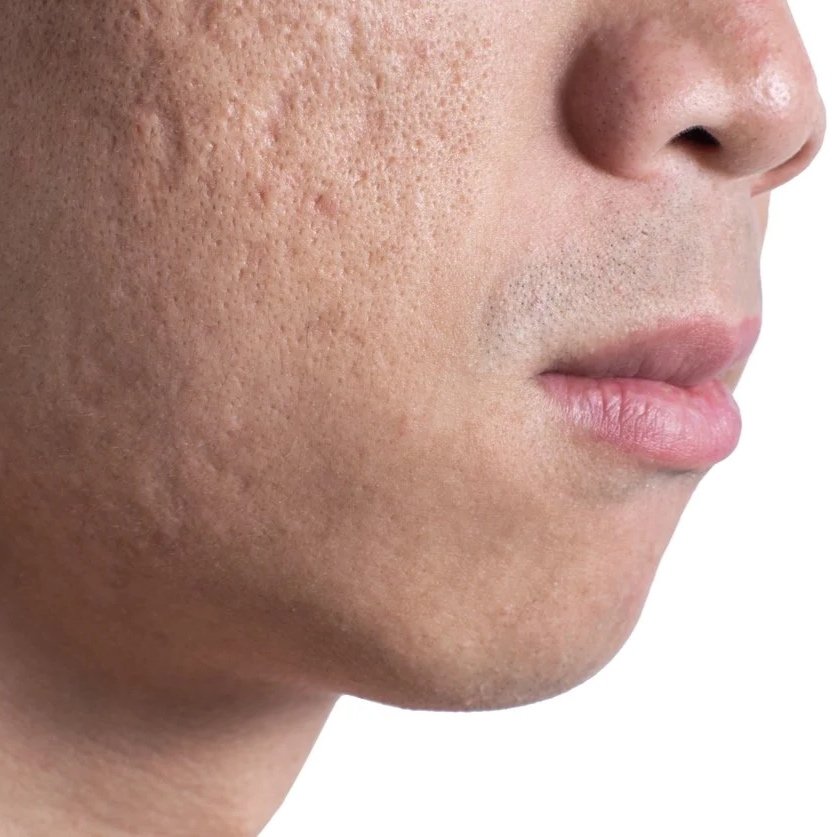
Treatment of Post-Acne Facial Scarring
Active acne clears, but the scarring it leaves behind often does not without treatment. Here is a clinically grounded look at how we approach post-acne scarring using microneedling, tretinoin and, where appropriate, superficial dermal filler.
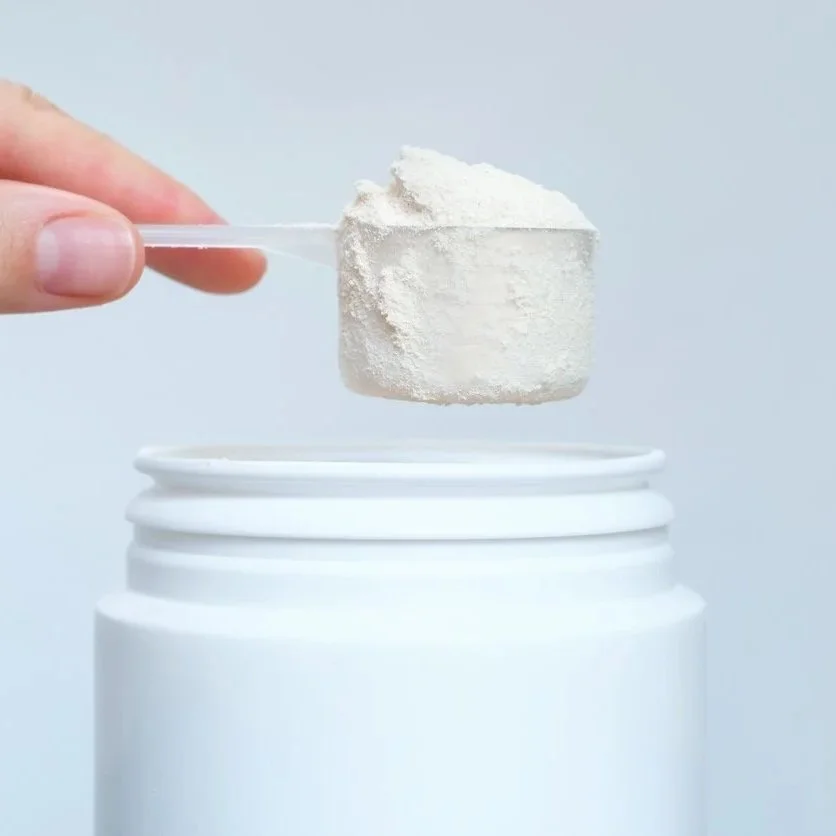
Are Collagen Supplements Worth It?
Collagen supplements are widely purchased but hotly debated. Here we set out the mechanistic argument against them, what the clinical evidence nonetheless shows, and what cautious support looks like in practice.
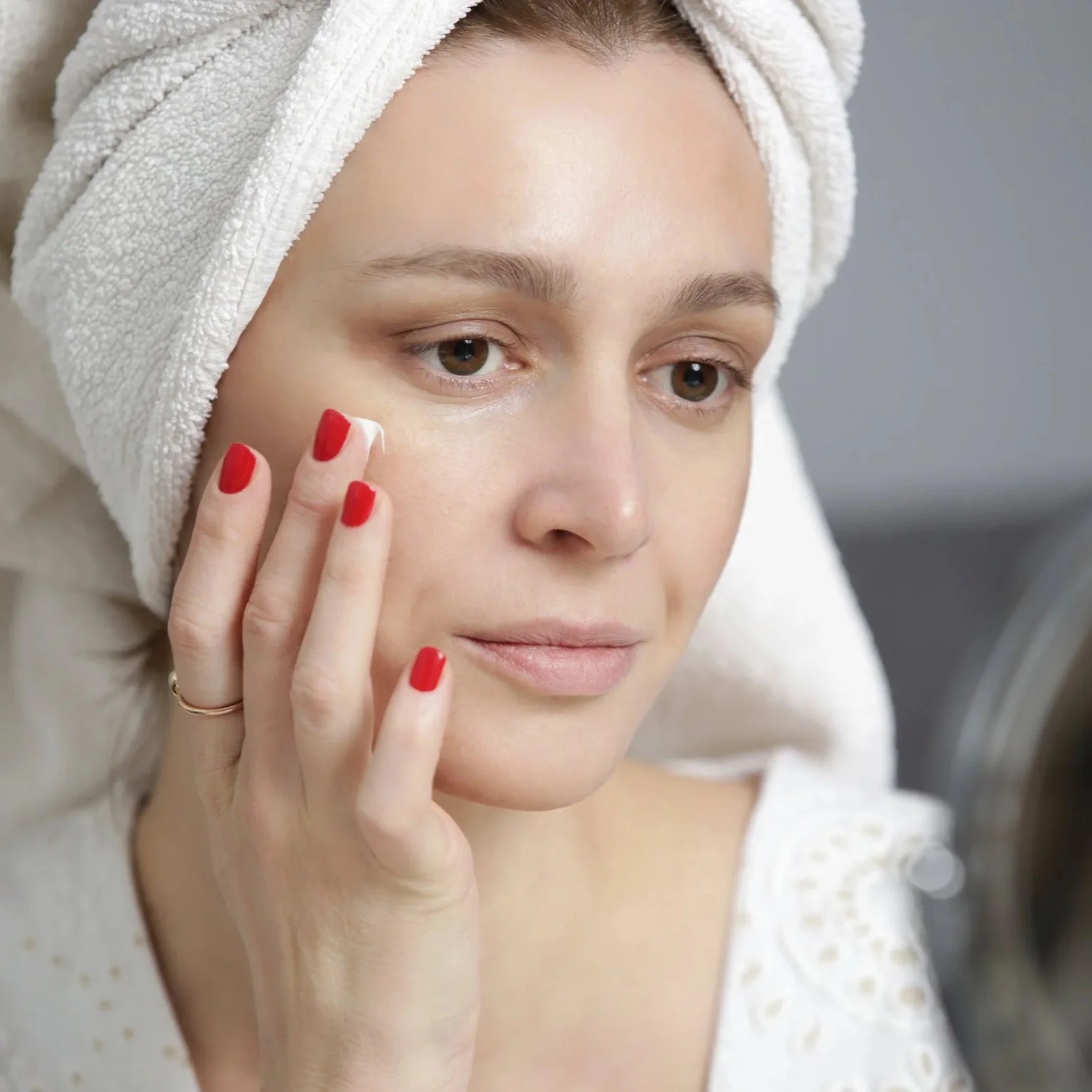
Skincare and Aesthetic Treatments
Patients sometimes arrive having invested significantly in skincare and wondering whether aesthetic treatment adds anything meaningful. Others have had injectable treatments for years without giving their skincare any serious thought. Both groups are missing half of the picture.
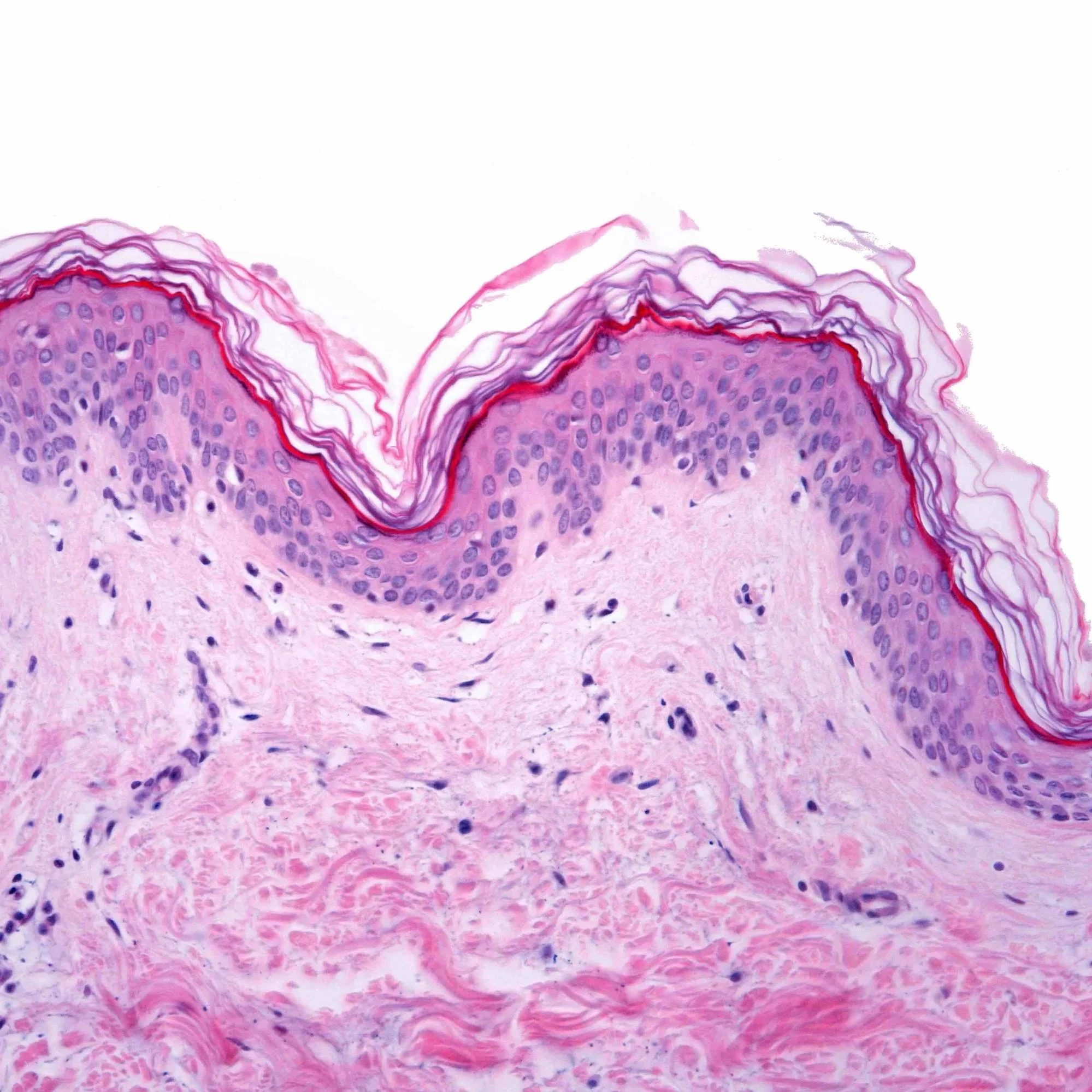
Where Has My Collagen Gone ?
Collagen is the structural protein that gives skin its firmness, thickness, and resilience and we begin to lose it earlier than most people realise. From the mid-twenties onwards, production declines at approximately 1% per year, a gradual attrition that accelerates significantly at peri-menopause and continues steadily into later decades.

How Your Skin Ages
When we talk about skin ageing, we are actually talking about two separate phenomena happening simultaneously through entirely different mechanisms. Understanding the distinction between them changes how you think about prevention, treatment, and what is and is not within your control.

The Skincare Trinity — Vitamin C, SPF, and Retinoid. What to Use, What to Look For, and How to Use It.
The evidence converges consistently on three interventions as the foundation of any serious skincare routine: a topical vitamin C in the morning, a broad-spectrum SPF as the final morning step, and a retinoid in the evening. Everything else is supplementary. Here is the practical guide to choosing and using each one well.
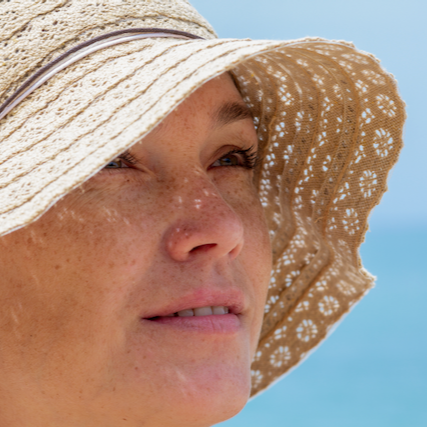
Can My Sun-damaged Skin Be Improved?
Most conversations about sun damage focus on prevention. But that leaves unanswered a question many patients are actually sitting with: I didn't protect my skin the way I should have. What can be done now? The answer is more encouraging than most people expect.

What does UV radiation actually do to your skin?
If you could do only one thing for your skin — one intervention with the greatest evidence base for preventing ageing — it would not be a retinoid or a biostimulator. It would be daily, broad-spectrum, high-factor sun protection, applied consistently, every day, regardless of weather or season. Everything else is supplementary to that foundation.

Does Drinking More Water Give You Better Skin? The Straightforward Answer Is No.
The degree of dehydration required to produce visible changes in the skin only occurs during severe dehydration. You would be desperately thirsty and almost certainly unwell before your skin started looking dehydrated in any clinically meaningful sense. Drinking more water for better skin is one of the most repeated pieces of beauty advice and one of the least supported by evidence. Here is what the science actually says, and what actually works instead.

What Your Skin Is Telling You — and How to Listen
Most people think about their skin in terms of how it looks. But the skin is also a remarkably sensitive indicator of what is happening beneath the surface. Learning to read those signals accurately is one of the most useful things you can do for your long-term skin health.
The Cosmeceutical Trendy Topicals — What the Evidence Actually Says
New skincare ingredients arrive with impressive science and impressive marketing in roughly equal measure. Before examining any of them on their own terms, one question matters more than any other: does it actually penetrate the skin barrier in a biologically active form, in sufficient concentration, to reach the tissue where it is supposed to work?
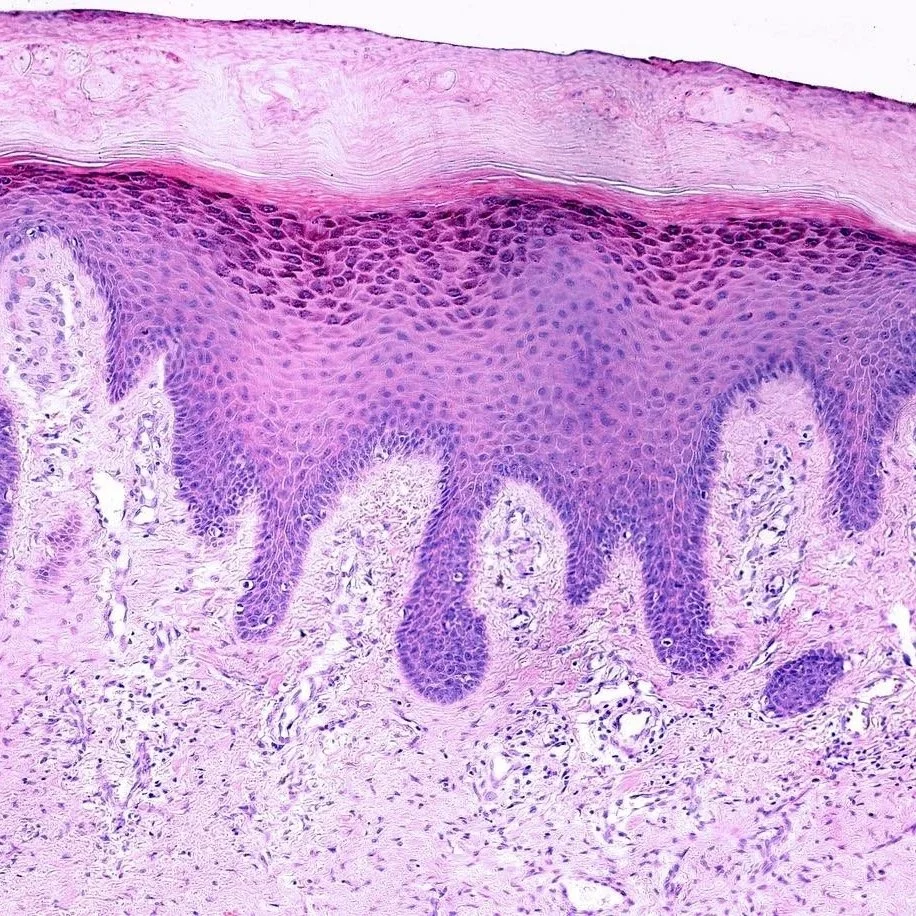
The Skin Barrier — What It Is, Why It Matters, and How to Keep It Healthy
The phrase "skin barrier" appears on product labels and in beauty articles with increasing frequency — usually without any explanation of what it actually means. Understanding it properly, even at a basic level, makes every subsequent decision about skincare considerably more useful.
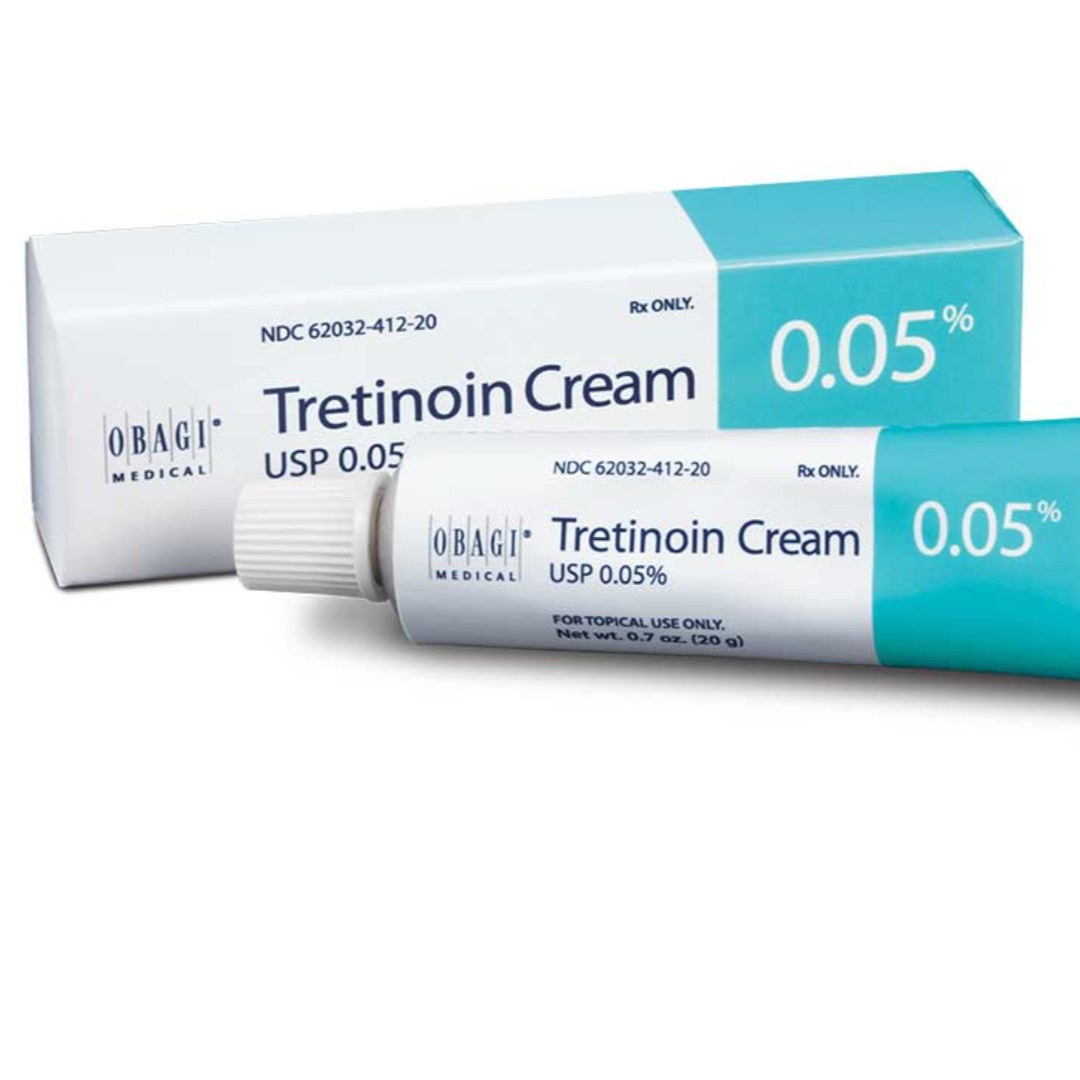
Retinoids — The Facial Skincare Ingredient That Nothing Has Yet Replaced
Retinoids have accumulated an evidence base that no other topical skincare ingredient comes close to matching. They stimulate collagen production, inhibit its breakdown, accelerate surface renewal, and improve skin barrier function. No newer ingredient has been studied as thoroughly, over as long a period, or with as consistently impressive results. They may be promising. Retinoids are proven.
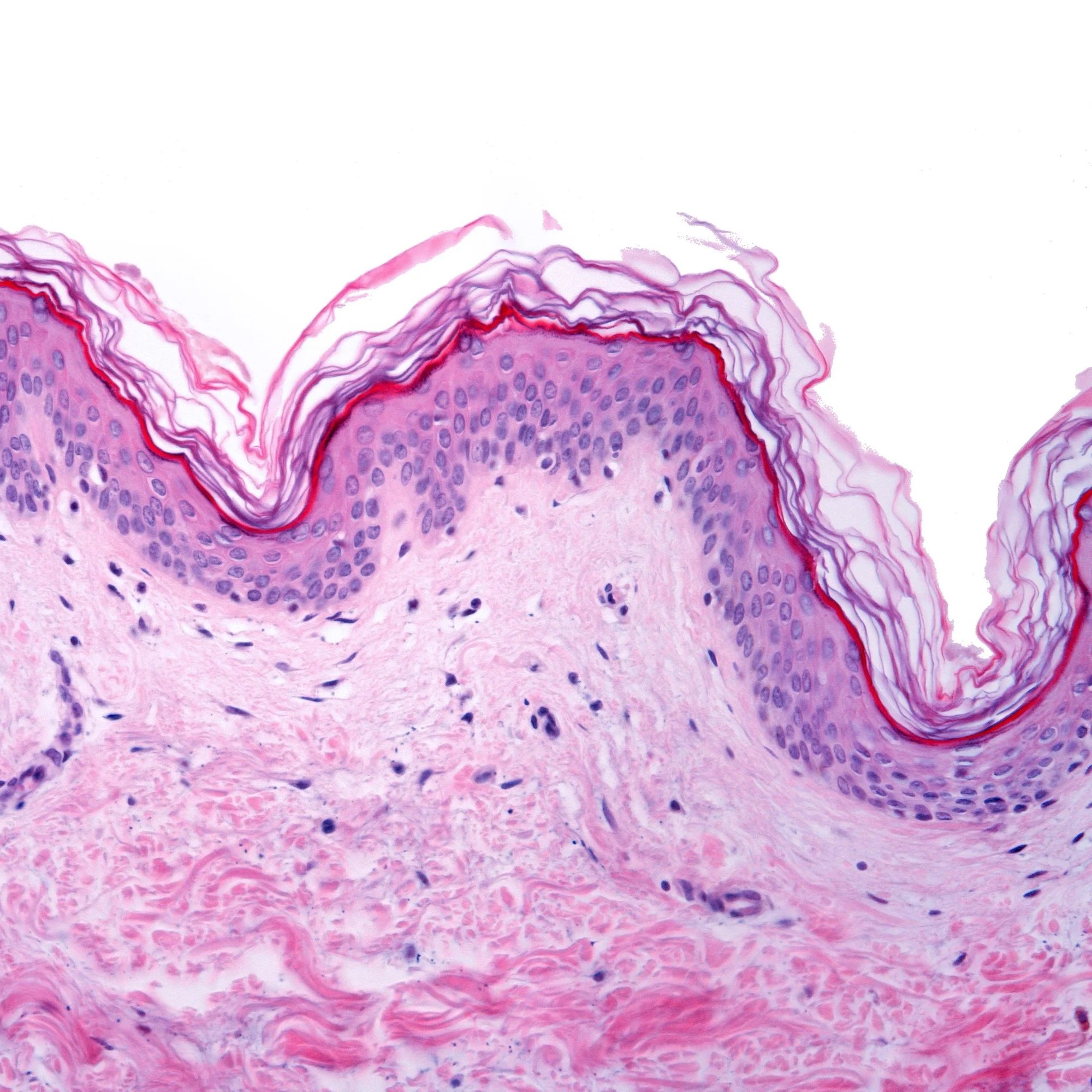
Collagen — What It Is, Why You Lose It, and Why It Matters for Your Skin
Collagen is the most abundant structural protein in the human body. In the skin, it accounts for approximately 75% of its dry weight. It is produced by specialised cells in the dermis, and its gradual decline from the mid-twenties onwards is one of the most significant drivers of visible skin ageing. Here is what you actually need to know about it.
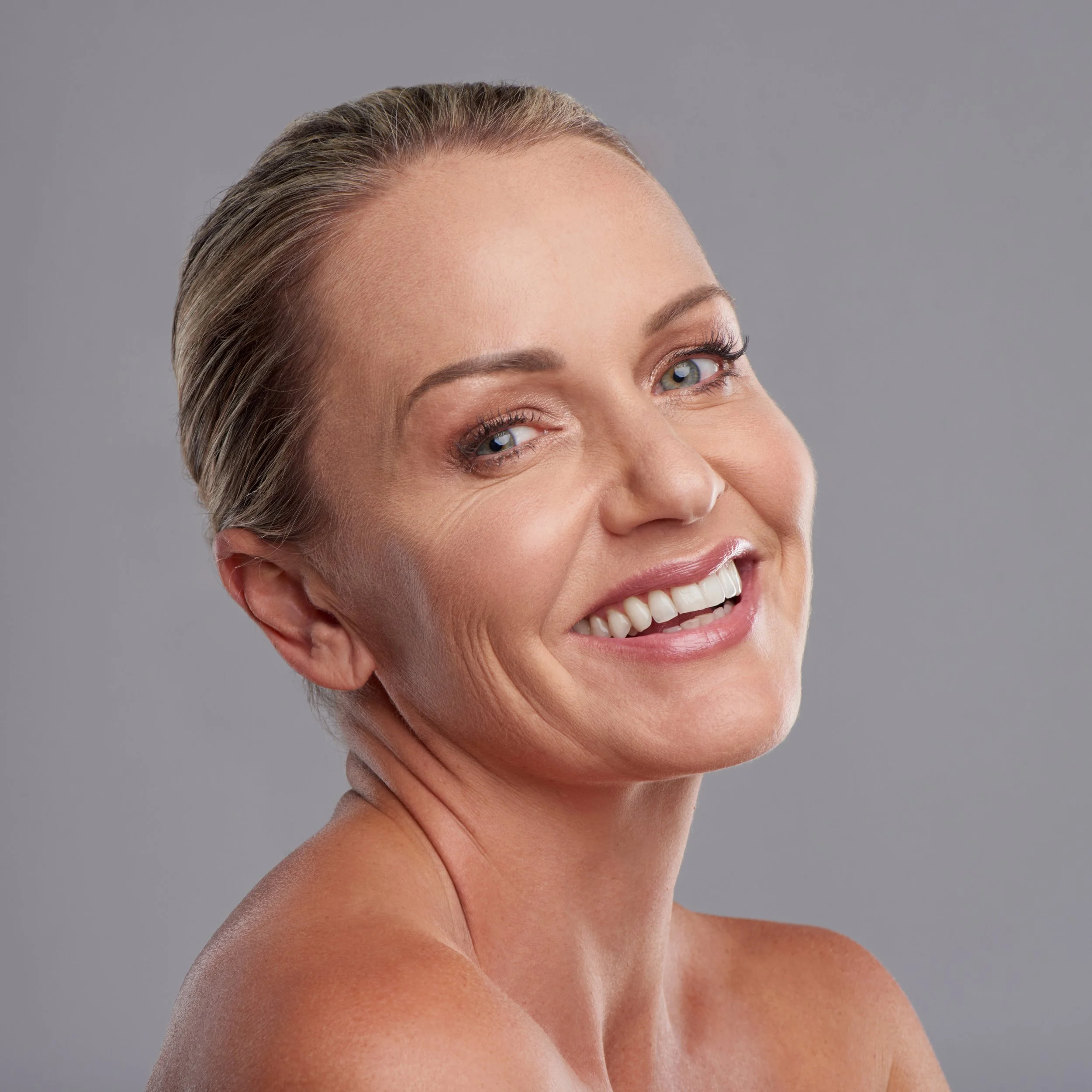
Are You Approaching 50 yrs Old and Thinking About Your Skin?
There is a moment many patients describe when they first come to see us. They are approaching fifty, and something has shifted. Not dramatically, not overnight, but persistently. The face looking back from the mirror feels slightly less like them than it used to. If that description resonates, you are in the right place.