Further Expert Guidance on Botox Treatments
You can explore more about Botox treatment safety, natural results, and common concerns in our related articles.
She tried Botox at another clinic, only once, several years ago and did not like the result. The brows felt low and heavy. She decided Botox was not for her. After twenty-five years in aesthetic medicine, Dr Forrester knows exactly what went wrong and how to achieve a better result the second time around.
A patient comes to us having had botulinum toxin elsewhere. It did not work very well, and when they went back for a follow-up they were told they did not need a top-up. Our first question is always the same: how much did it cost? When they tell us, the picture becomes clear immediately.
If you have been having botulinum toxin treatment for several years, you may have noticed that the treatment lasts longer than it used to. This is not imagination. It is a real and well-documented clinical phenomenon — and the science behind it is considerably more interesting than most practitioners explain.
For a number of years we gave every patient who had a Botox treatment a printed A4 sheet of detailed aftercare instructions. It felt responsible and professional. Then we attended a lecture by Professor Andy Pickett. And the A4 sheet quietly retired. Read why most Botox instructions are unnecessary.
Across more than thirty years of licensed cosmetic use — encompassing hundreds of millions of treatments worldwide — Anti-wrinkle-injections have never caused a confirmed death when used as a licensed, approved product for cosmetic indications. Not one. That safety record comes with a condition that is non-negotiable.
Wrinkle-relaxing injections have been one of the most widely performed aesthetic treatments in the world for over two decades. Here we explore why they have endured.
Unlike botulinum toxin in the frown lines, which produces at least some result in virtually every patient, the response to the Nefertiti lift is genuinely variable — and that variability is not reliably predictable in advance. Here is what that means for you.
We're seeing more patients in their twenties ask about preventative botox. Here's our honest clinical take — who it suits, who it doesn't, and what we tell every younger patient who sits down with us.
At what age should you start Botox injections? This guide explains why timing depends on muscle activity, skin changes, and individual factors — not just age.
How often should you have Botox injections? This guide explains how long results last, how frequently treatment is needed, and how to maintain natural-looking outcomes over time.
Natural-looking results matter. Botox injections remain popular because they can produce subtle, natural-looking results when used appropriately. The goal is not to change how you look, but to reduce the appearance of lines while preserving expression.
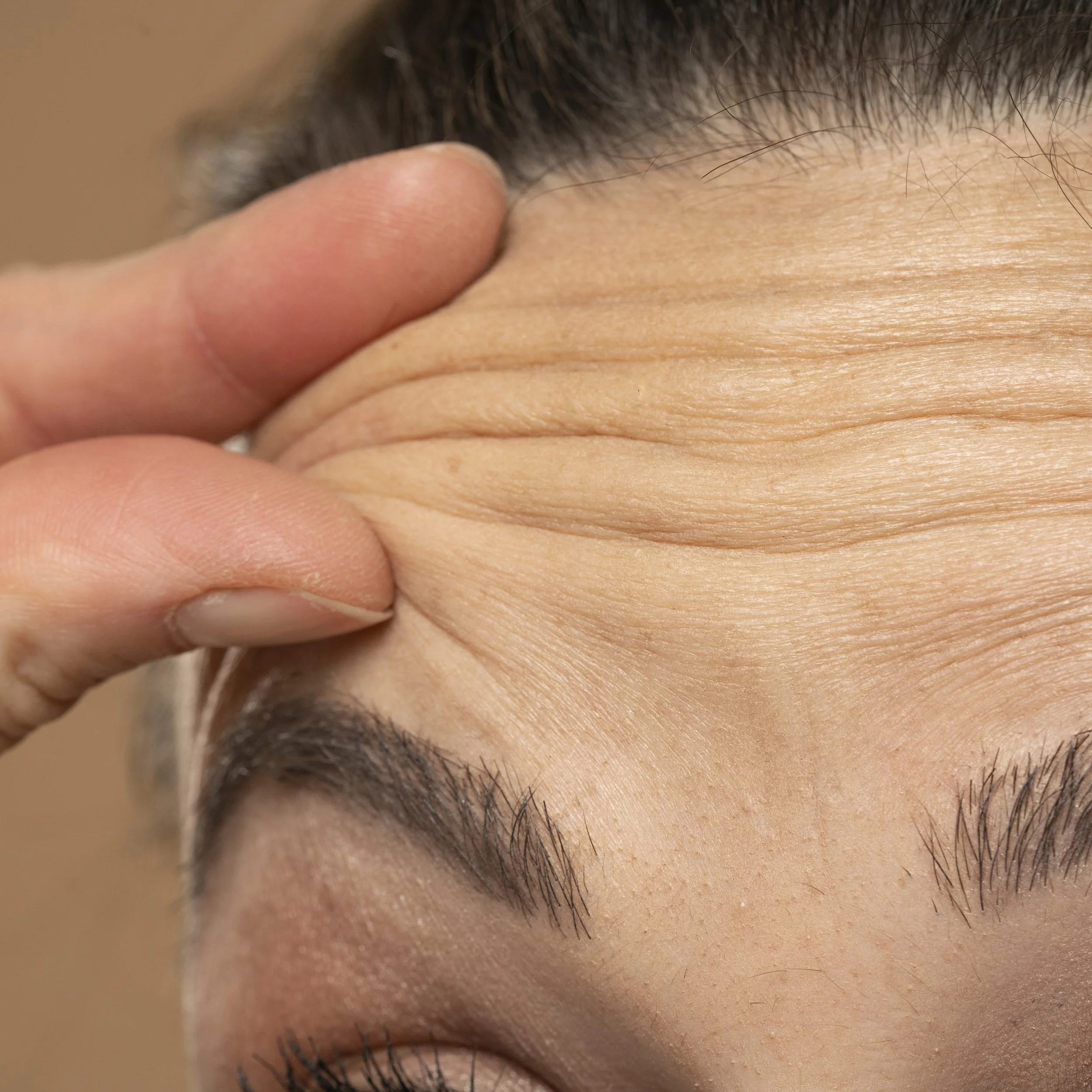
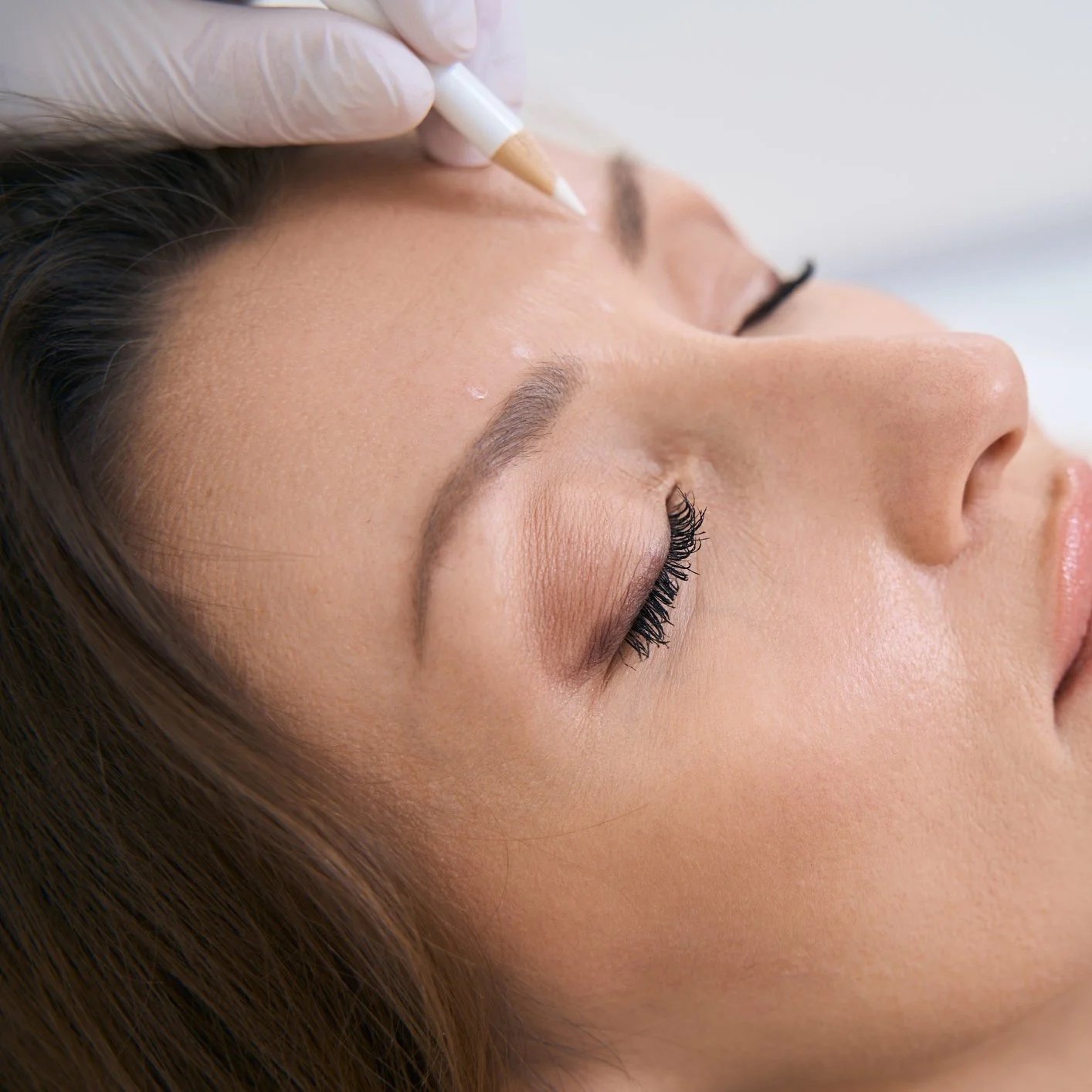
Botox injections are widely used to soften lines, but how do they actually work? This clear, medically grounded guide explains how muscle activity causes wrinkles and how treatment can produce natural-looking results when performed appropriately.
Almost every patient considering Botox injections raises the same concern — they don't want to look frozen. It is an entirely understandable fear, and one worth addressing honestly. Because the frozen face, when it occurs, is never the result of botulinum alone.
Botulinum toxin (Botox) is widely used in aesthetic medicine, but many patients ask if it is safe. Learn how Botox works and why medical doses are considered safe
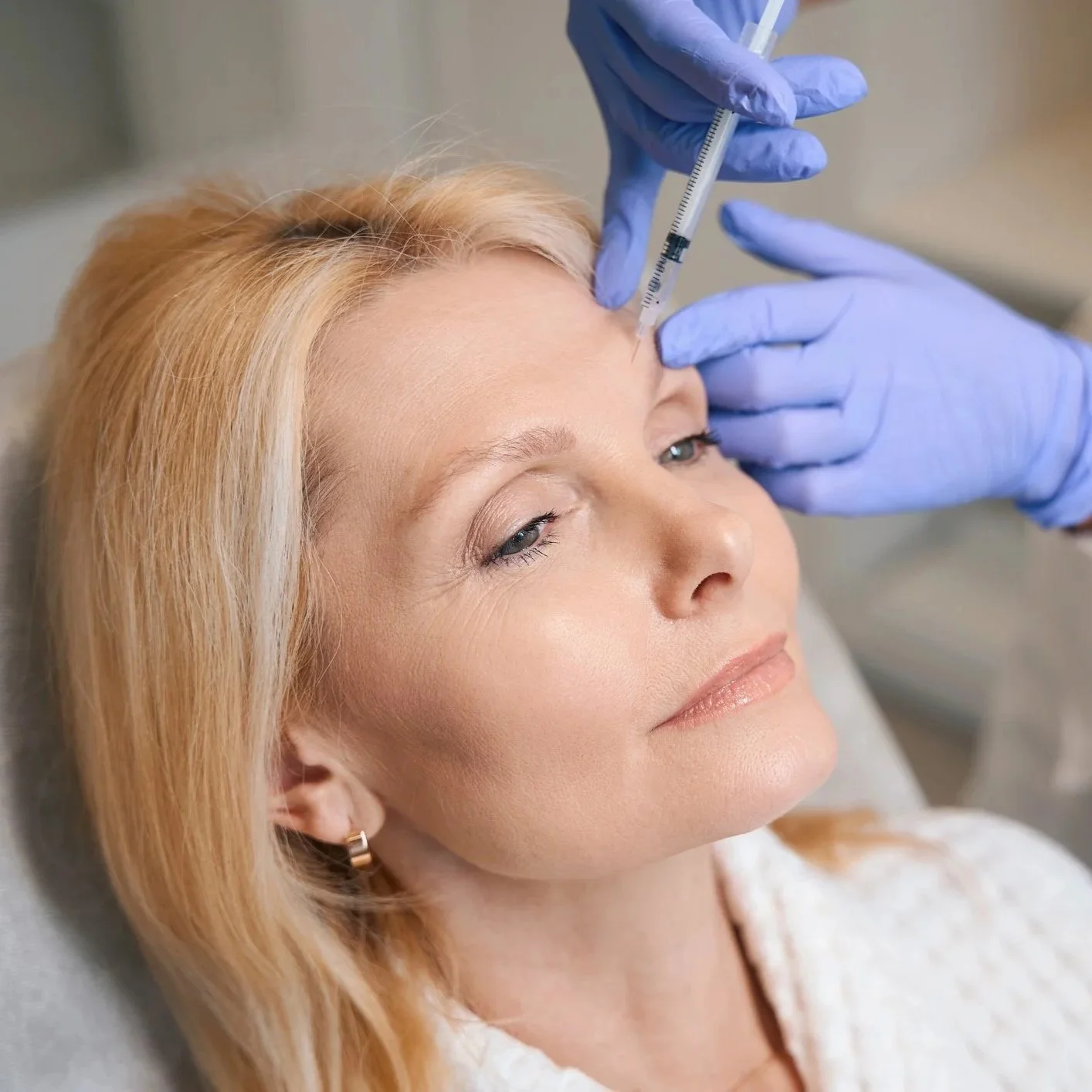
Botox injections to soften lines while preserving natural expression. Medically led treatment in Surrey with a focus on subtle, balanced results..