
Blog - Sense & Science in Aesthetic Medicine
Advice and information you can trust - with no sales pitch.
At The Cosmetic Doctors Company, we believe good aesthetic medicine starts with good information.
This blog exists to provide information and answer the questions patients often ask, honestly and in plain language, whether you're curious about safety, how a treatment works, what results you can realistically expect, or simply a better understanding of your skin.
Everything we write here reflects the same principles that guide our clinic:
Care that is doctor-delivered, not just doctor-led
Advice that is honest rather than persuasive
We'd rather you left an article feeling better informed than sold to.
Scroll down to read our Blog posts.
Or search our Blog here:

Why Good Botox Isn't Just About the Injections
Every forehead is different. Muscle strength, facial expression, brow position and previous treatments all influence where Botox should be placed and how much should be used.

The Frozen Face in Aesthetic Medicine — Separating Fact from Fiction
Almost every patient considering anti-wrinkle injections raises the same concern, they don't want to look frozen. It is an entirely understandable fear, and one worth addressing. Because the frozen face, when it occurs, is never the result of anti-wrinkle injections alone.

What Botox Doesn't Do
Like every good medical treatment, Botox has specific strengths, specific limitations and specific situations where it simply isn't the right answer. Understanding those differences is one of the keys to achieving natural-looking results.

Will I Become Addicted to Botox?
“Will I become addicted to Botox?” is a question I hear occasionally in clinic, and it deserves an answer. The short answer is no; not in any pharmacological sense. What patients sometimes mean though, is something rather different: they like the way they look, they feel more confident, and they want to continue. That is not addiction; that is satisfaction with a result.

Polynucleotides or Profhilo — Which Is Right for You?
Polynucleotides and Profhilo are frequently confused. Both regenerative, both injectable, both focused on skin quality. Here's a clear clinical account of what distinguishes them and how to choose between them.

Can Aesthetic Treatment Improve My Psychological Wellbeing?
Botox and aesthetic treatment can genuinely improve psychological wellbeing. The evidence is clear. But it applies to specific patients, not all. Here's an account of what the research shows and why the clinical distinction matters.

Are Polynucleotides Safe?
Polynucleotides are among the better-tolerated injectable treatments in aesthetic medicine. Here we set out the side effects, address the DNA-derived origin question, and explain why practitioner experience remains the key safety variable.

How Long Do the Results of a Polynucleotide Treatment Last?
The evidence on polynucleotide longevity is still developing, but clinical experience suggests results persist for six to nine months after a completed course. Here's an account of what we're seeing, and when maintenance treatment tends to be appropriate.

Am I a good candidate for a Polynucleotide treatment?
Polynucleotides work best for patients concerned by loss of superficial skin quality rather than volume or structure. Here we set out who tends to respond best, and who we'd steer toward something different.
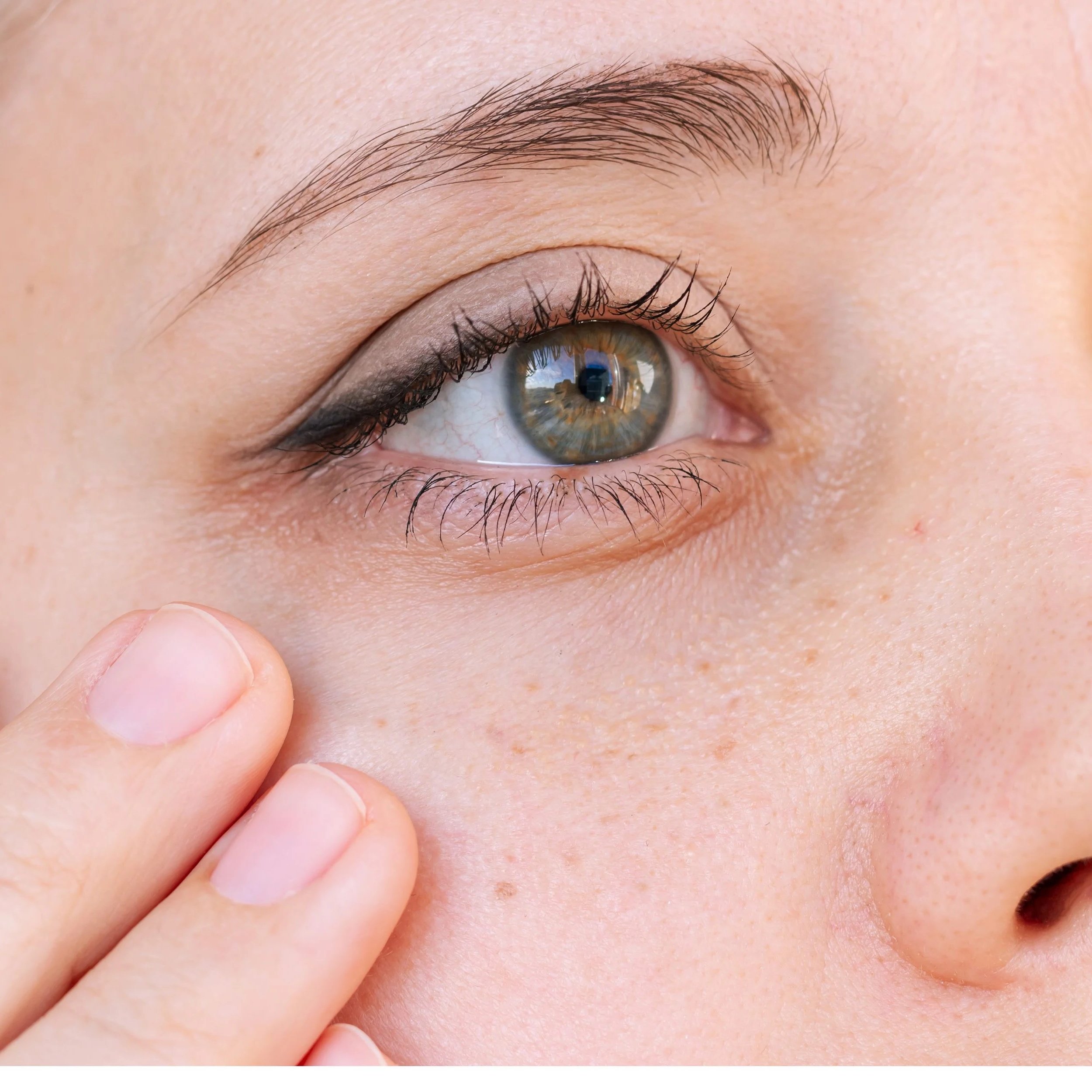
Are Polynucleotides Any Good for the Under-Eye Area?
Crepey under-eye skin is one of the hardest problems to treat, because so few treatments are appropriate there. Here's why polynucleotides are increasingly our preferred option for this delicate area.

Sculptra — Why this 25-Year-Old Treatment Is Finally Having Its Moment
Sculptra has been available for over 25 years. For much of that time it sat quietly on the periphery of aesthetic practice, occasionally used but never quite mainstream. That is now changing rapidly — and there are good reasons why.

Treatment of Post-Acne Facial Scarring
Active acne clears, but the scarring it leaves behind often does not without treatment. Here is a clinically grounded look at how we approach post-acne scarring using microneedling, tretinoin and, where appropriate, superficial dermal filler.
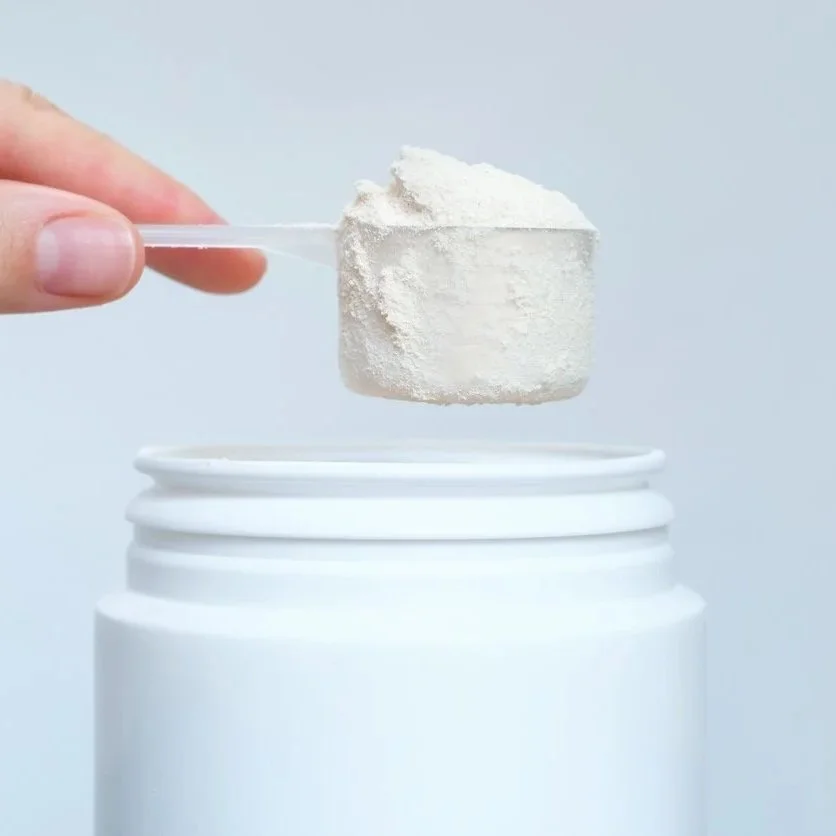
Are Collagen Supplements Worth It?
Collagen supplements are widely purchased but hotly debated. Here we set out the mechanistic argument against them, what the clinical evidence nonetheless shows, and what cautious support looks like in practice.

Is Sculptra Safe?
Sculptra has been used safely in aesthetic medicine for over twenty years. Here we set out the side effects, address the nodule question directly, and explain why practitioner experience is the key safety variable.

How Long Does Sculptra Last?
Sculptra is one of the longest-lasting injectable treatments in aesthetic medicine. Here we explain why it outlasts other injectables, what to expect over time, and when patients typically return for maintenance.

How Many Sculptra Sessions Will I Need?
For most patients, Sculptra involves two sessions spaced four to six weeks apart. Here we explain how the number of sessions and vials is determined and why individual assessment matters.

Am I the Right Patient for Sculptra?
Sculptra suits some patients well and others less so. Here we set out the profiles we most commonly recommend it to, those we'd redirect, and the questions worth asking before you book.

How do I choose a safe aesthetic practitioner?
Aesthetic treatments in the UK can be difficult to navigate safely. Here’s what to check, from qualifications and experience to consultation, complication management and aftercare, before choosing an aesthetic practitioner.

Why Does Your Aesthetic Consultation Matter More Than the Treatment Itself?
The quality of your result is decided before treatment even begins. Here's what a thorough, medically-led consultation covers, why diagnosis comes first, and what you should expect before saying yes to any procedure.

How do I make sure my dermal filler results look natural?
Natural filler results come down to practitioner judgement, not product. Here's what to ask at consultation, why less is often more, and how staged treatment protects your outcome.